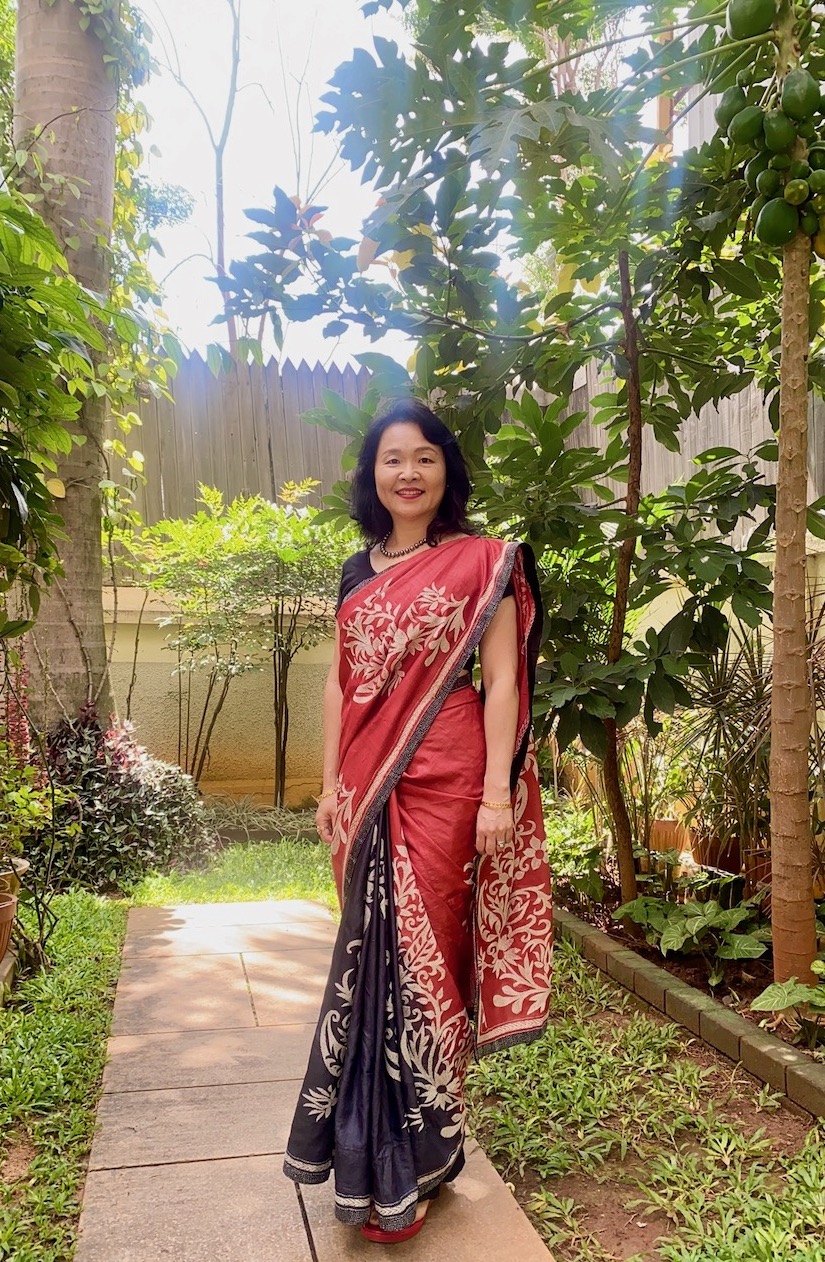
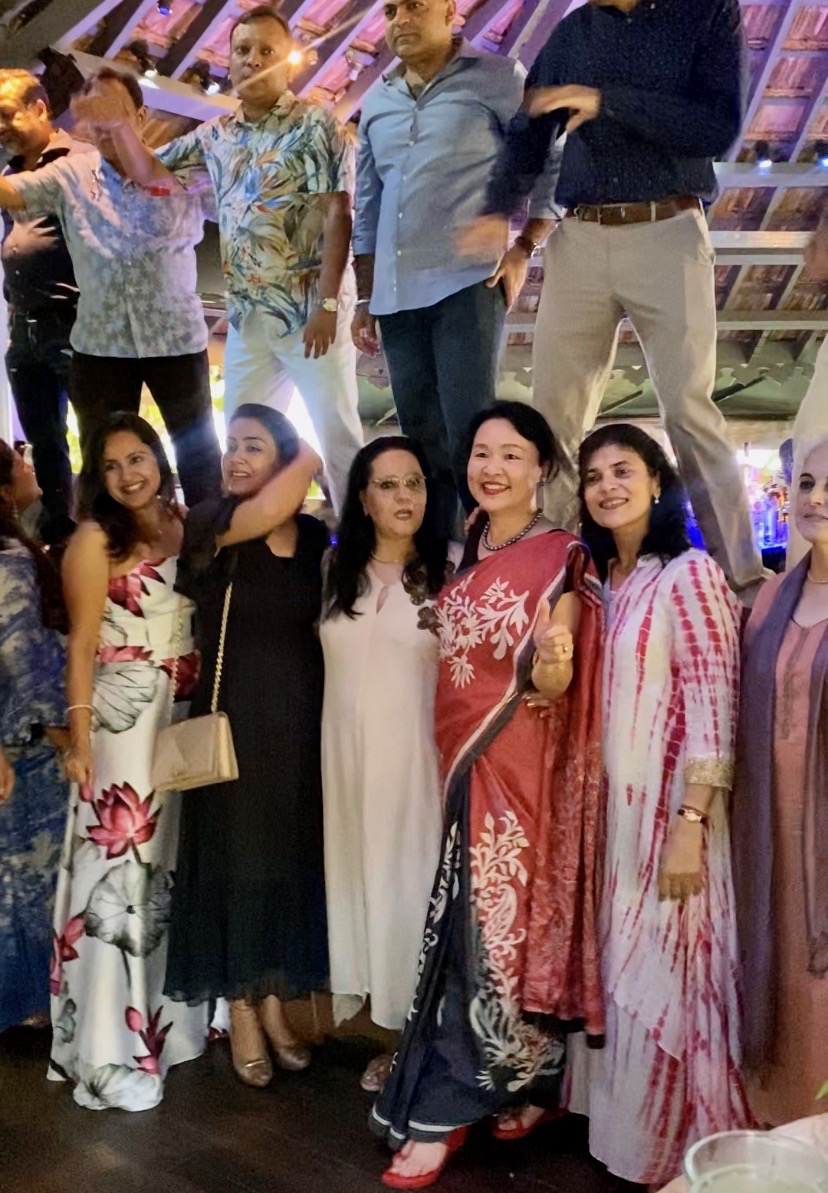
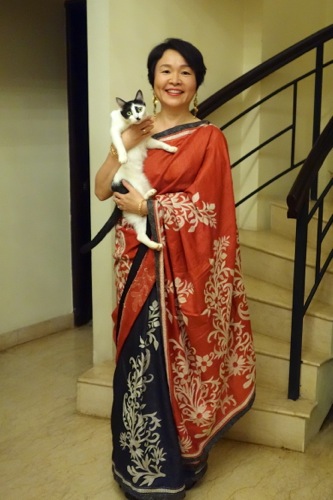
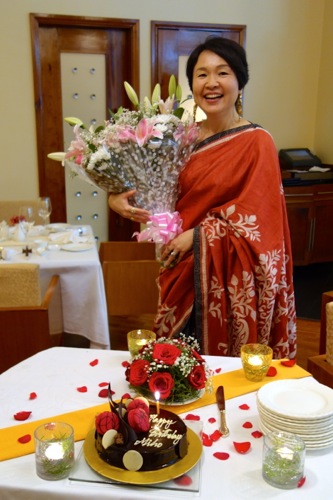
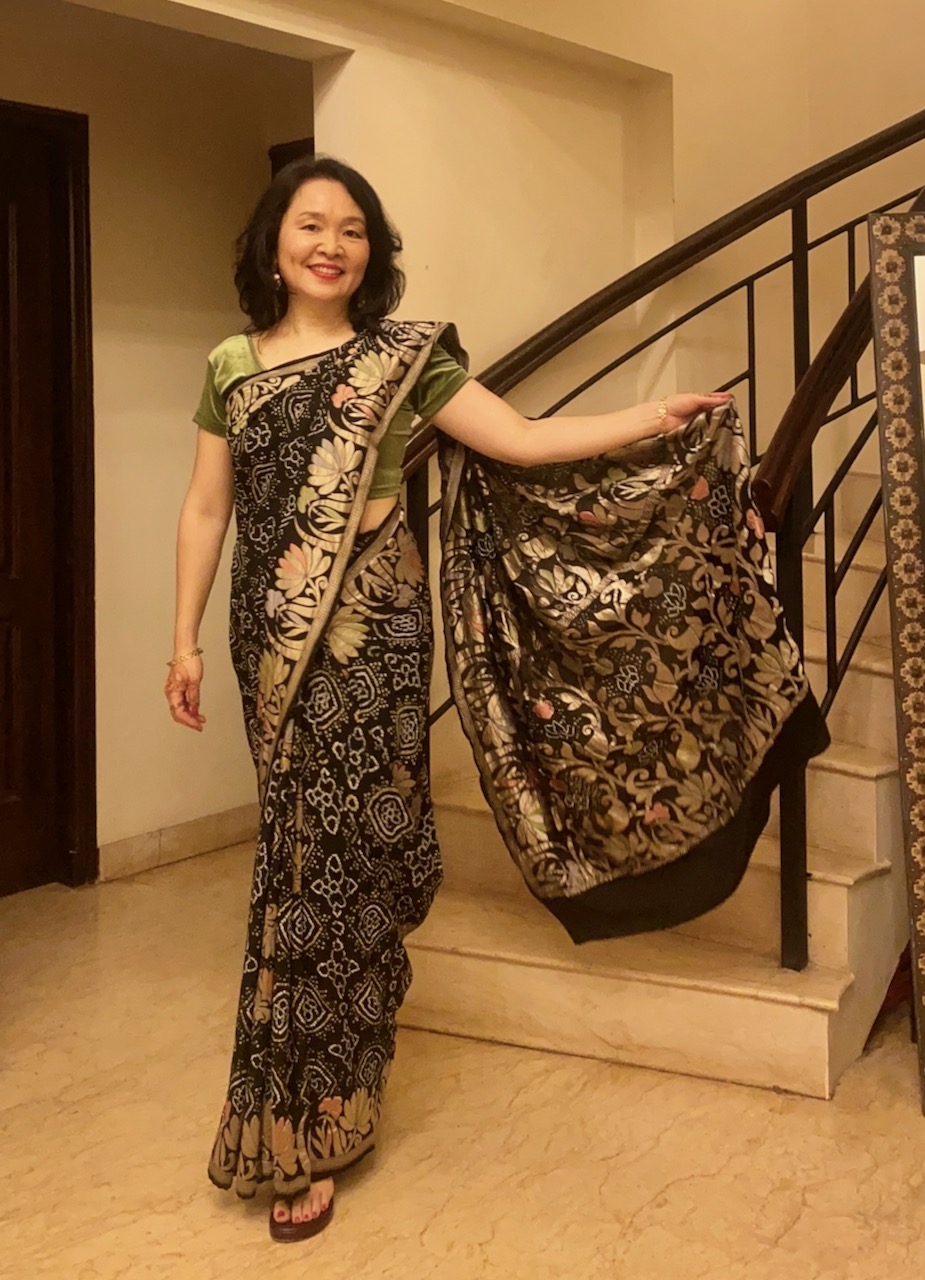
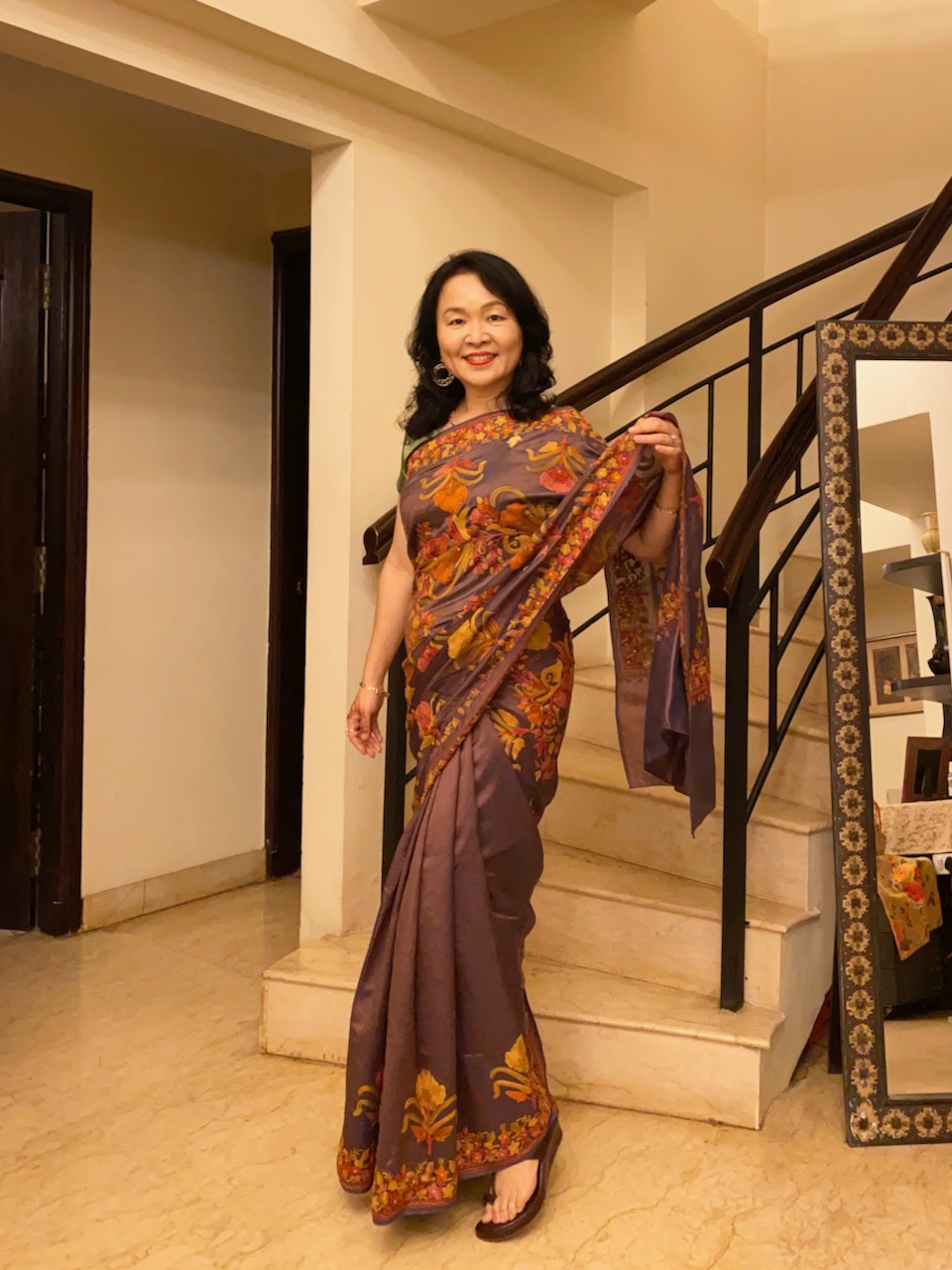
The saree I wore yesterday was embroidered with Kantha, a traditional Bengali technique. This is one of my favorite pieces that I bought in 2015 from Jaypore.com, an online site of diverse brands selling handicrafts made by artisans from all over India.
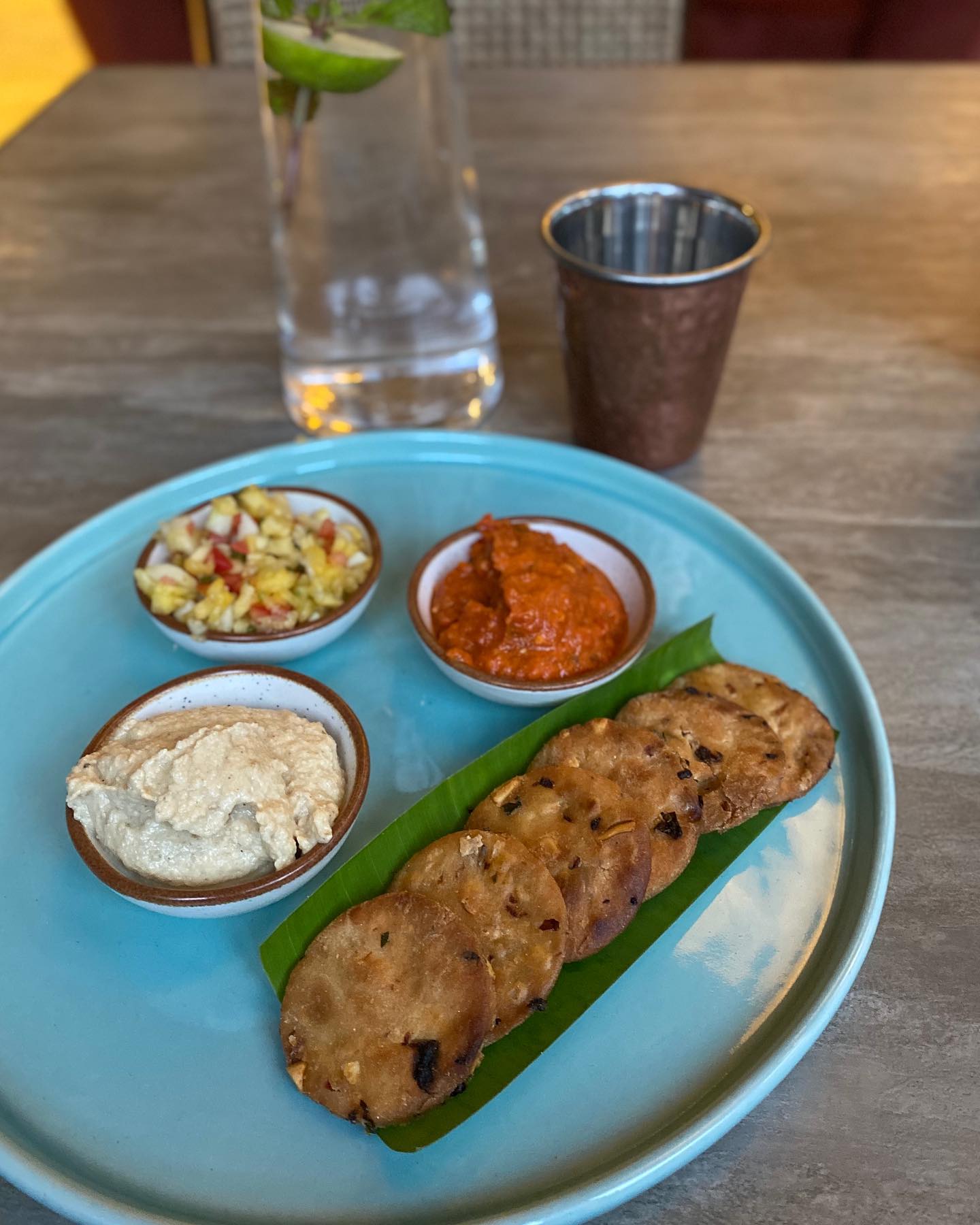
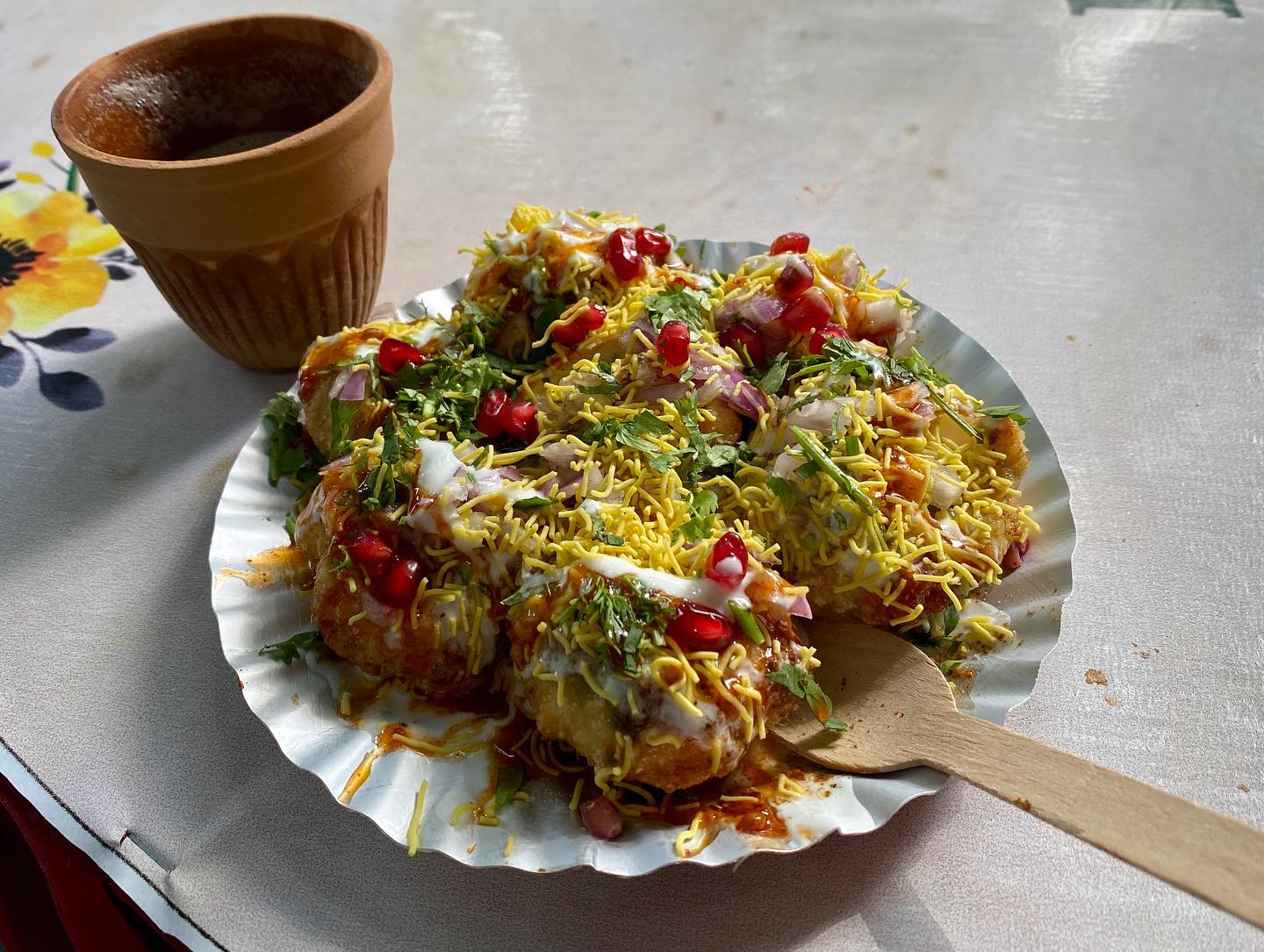
The first photo is a stylish version of my favorite South Indian snack, Maddur Vada. I ordered it the other day at the “Go Native” cafe. I liked it because it was easier to eat than the original large version, and the chutni served with it was delicious.
I like the standard donut-shaped vada, but I also like this savory maddhur vada that looks like a chocolate chip cookie.
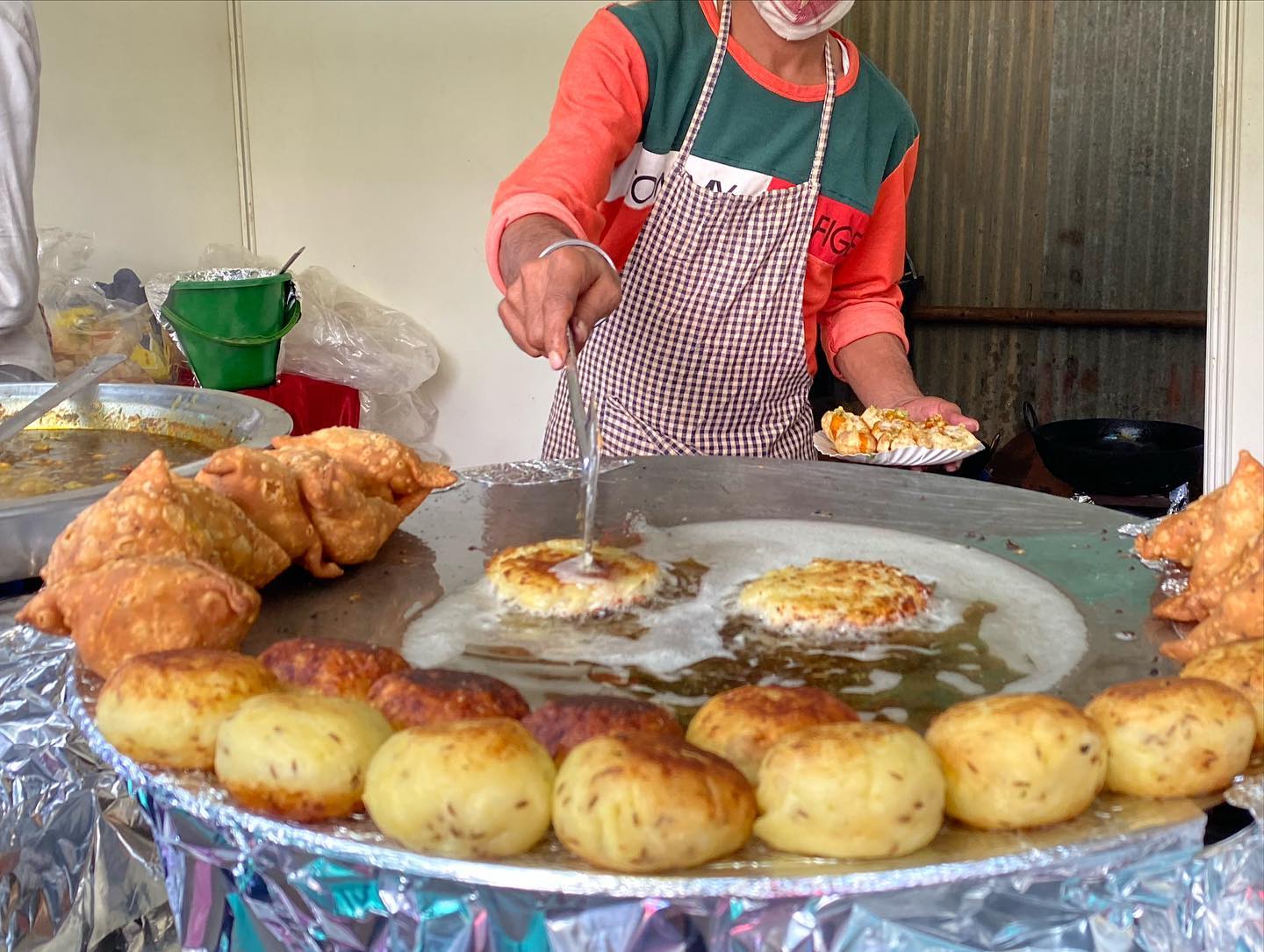
The story of the birth of this vada, a specialty of Madhur village between Mysore and Bangalore, goes back about 120 years. The owner was preparing vada to serve to passengers at the railroad station. Due to the early arrival of the train, he was short of some ingredients, so he hurriedly made this snack, which unexpectedly became popular.
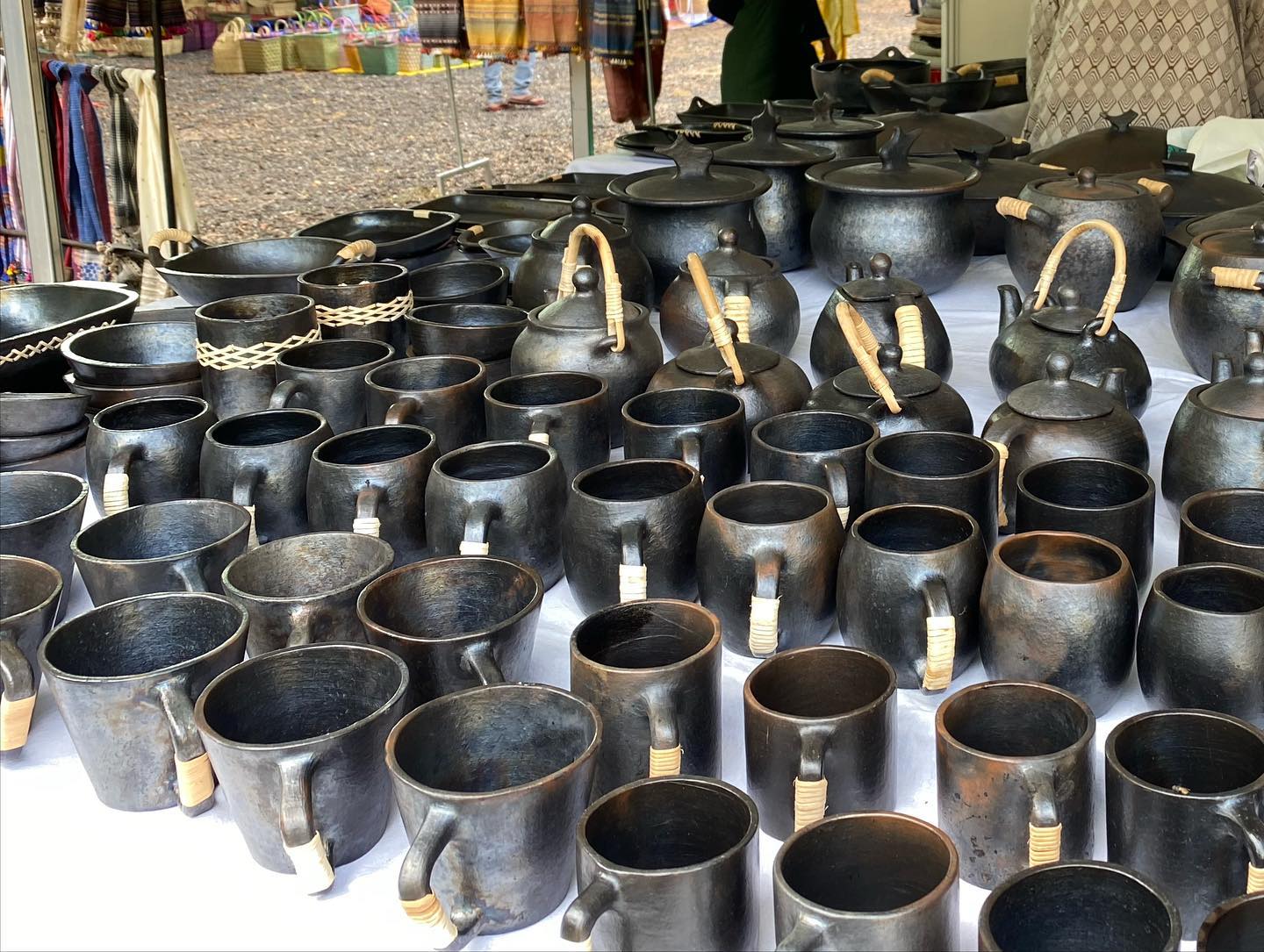
🌳Well, there have always been many people in India who are interested in sustainability. Even when I first moved to India, there were already a certain number of people selling various organic products and traditional crafts, and I have visited and reported on such places as much as I could.
However, what I feel is different is the dramatic increase in the number of entrepreneurs from the “younger generation” in both the food and beverage industry and the fashion industry, who are breaking new ground by adapting to the modern lifestyle.
As I have mentioned many times in the past, the power of the younger generation, those born after 1991 when India opened up its markets, is strong. But it is not just because they are young. There has also been a remarkable transformation of traditional values.
Especially since entering the era of COVID-19, one can see a remarkable change in lifestyles just by looking at the bazaars, events, and new and expanding restaurants that are being held in Bangalore. Of course, India is still the same old country, with a huge gap between the rich and the poor and an overwhelming number of people forced to live a harsh life, but there is a trend that things are gradually improving thanks to the evolution of technology.
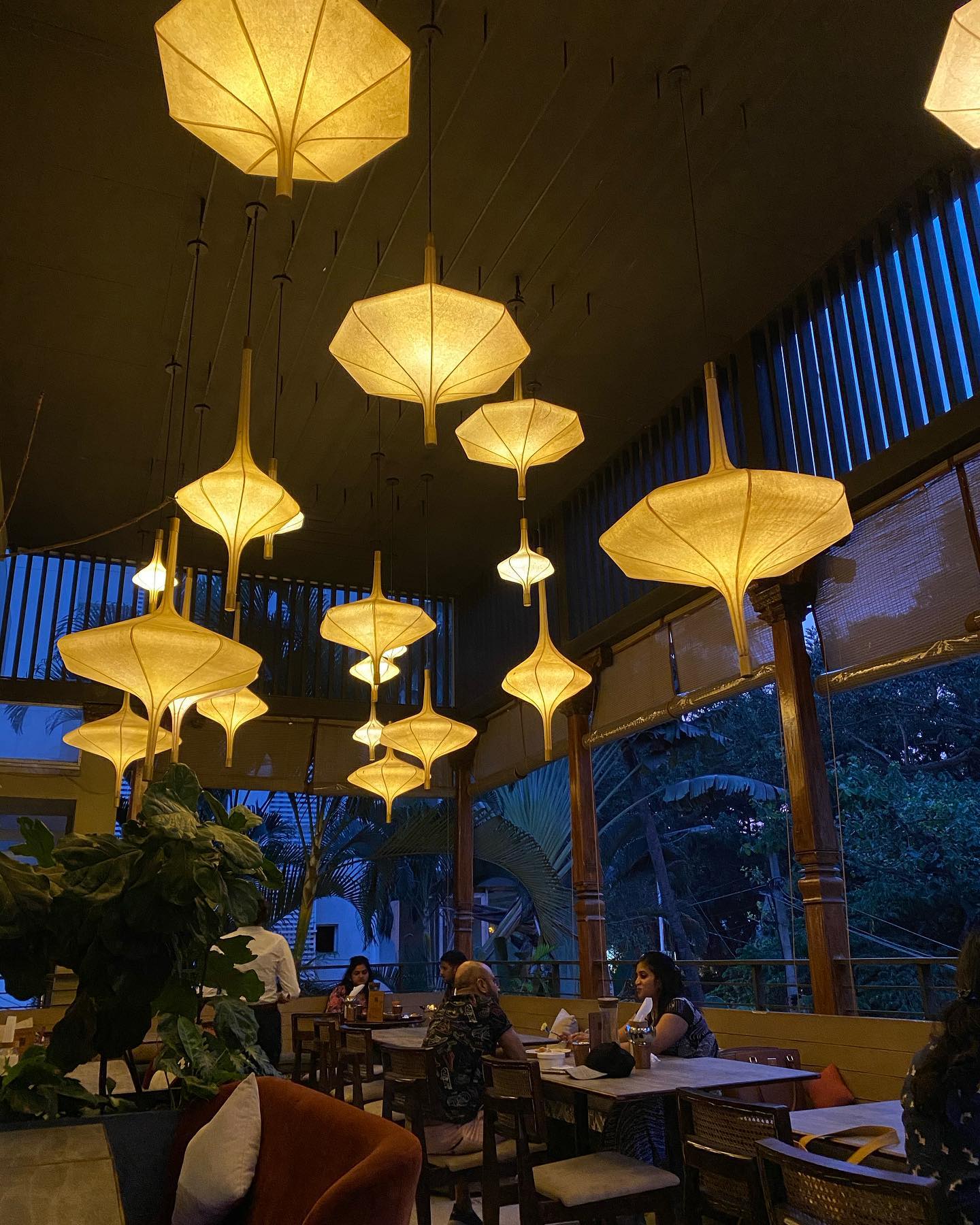
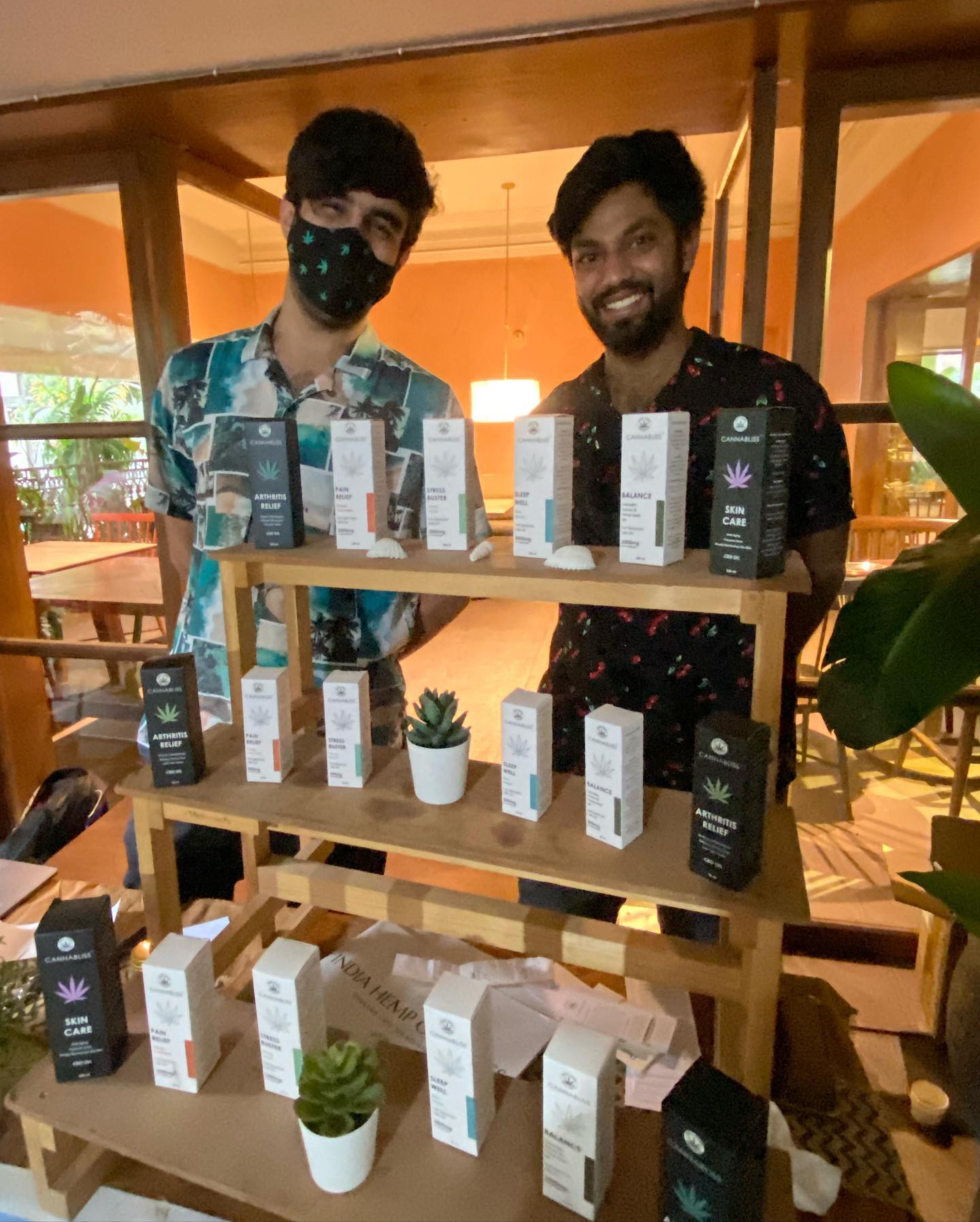
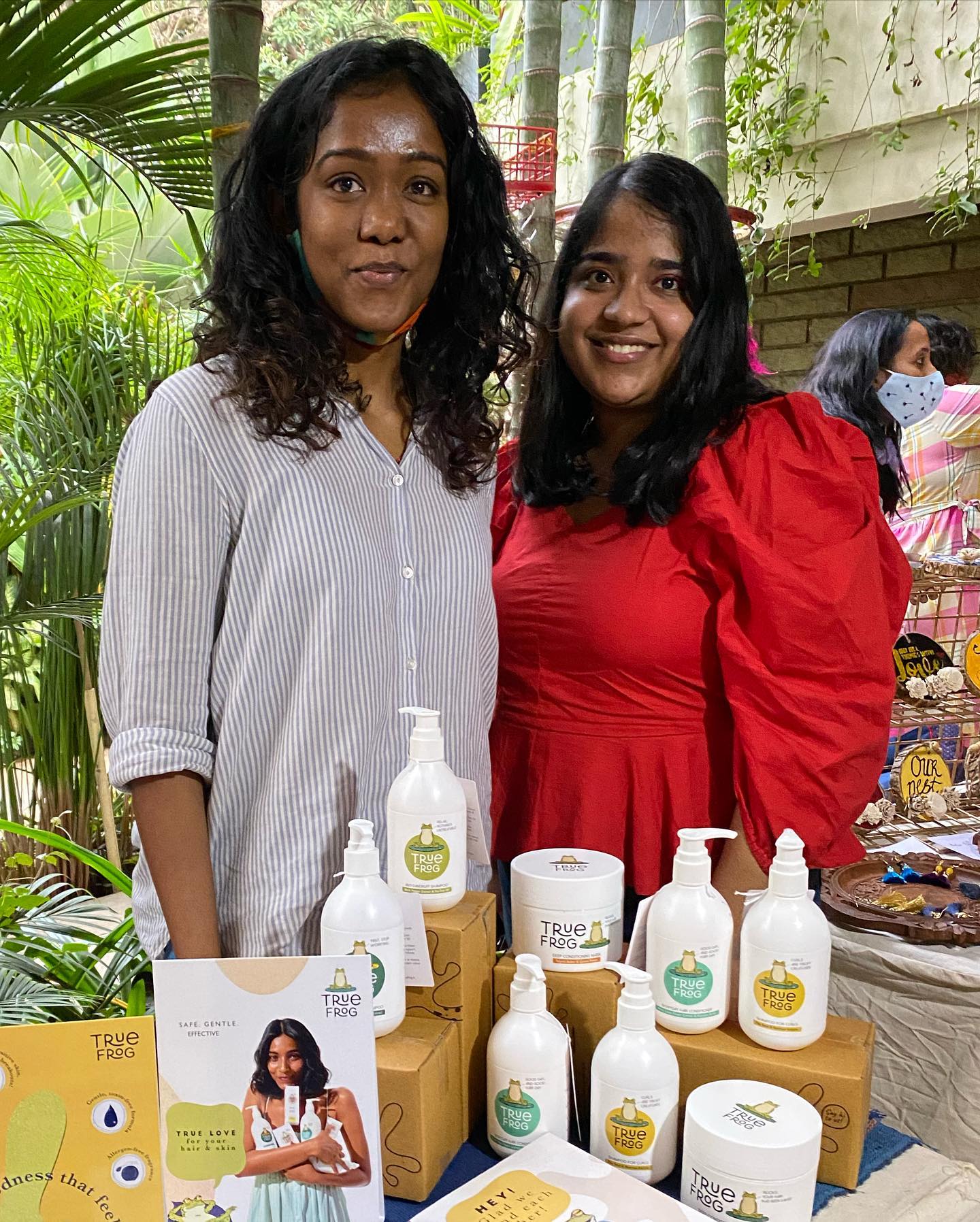
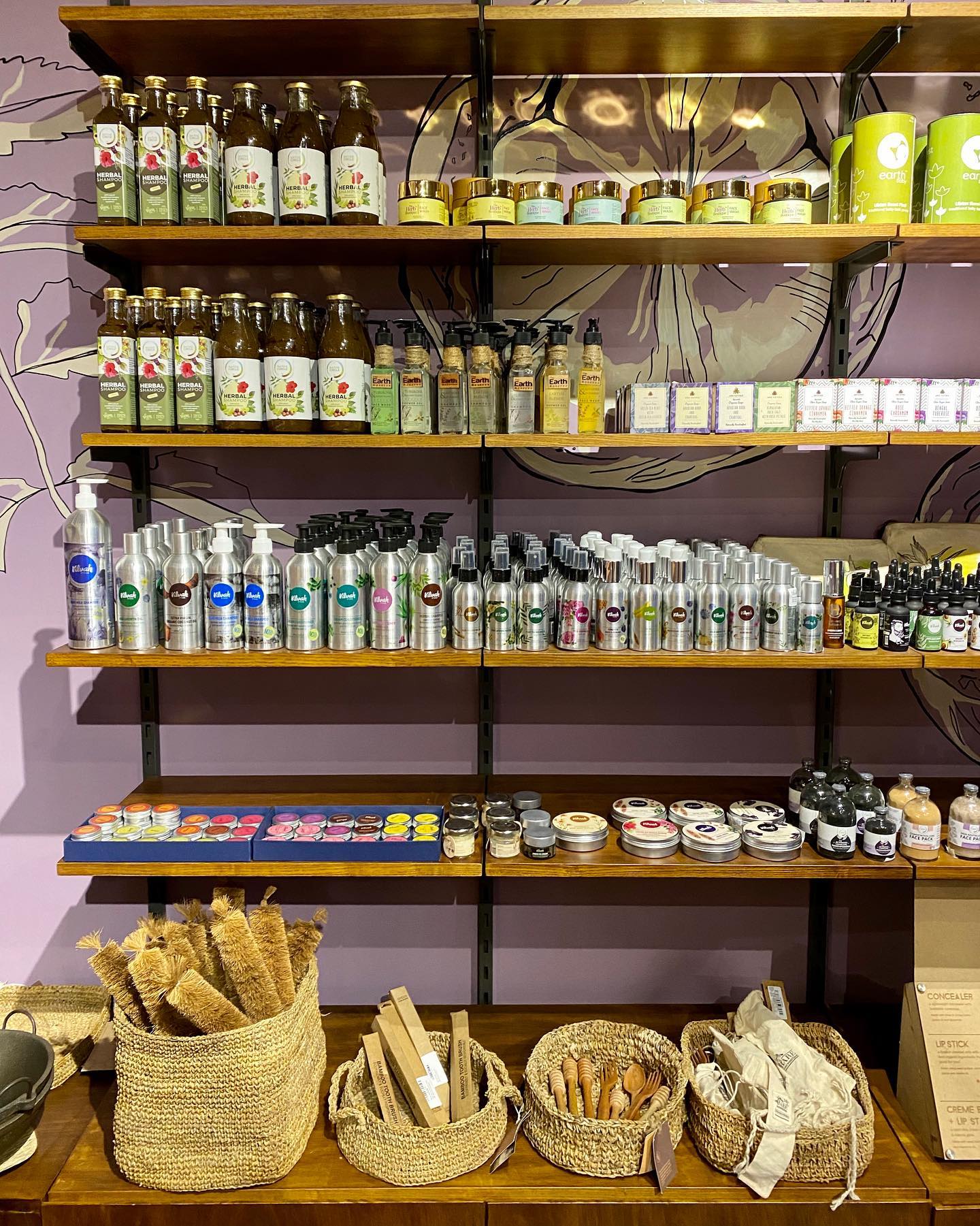
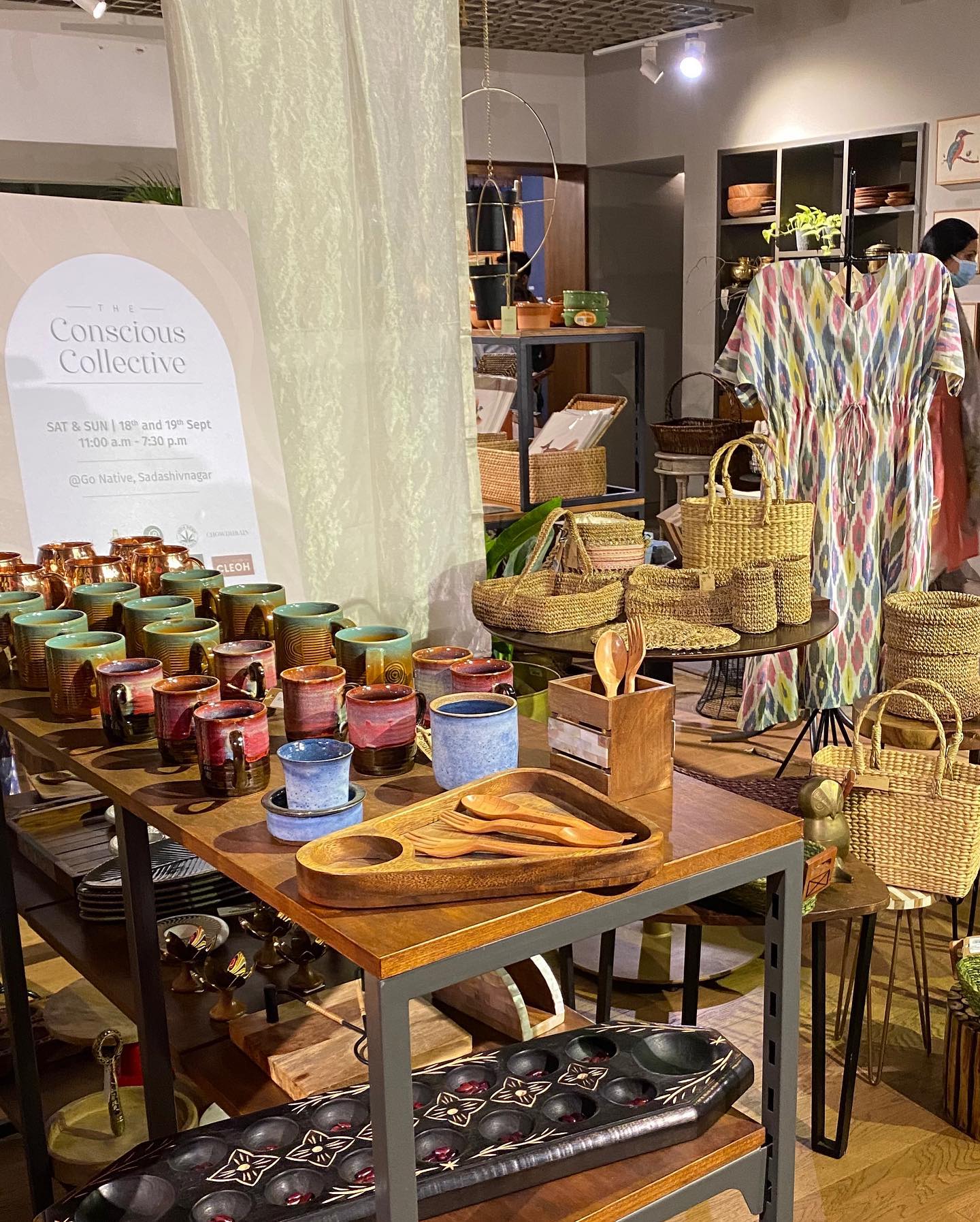
This is the case with Go Native, where I stopped by for a cup of tea on my way home from a day out last weekend. The Sadashivnagar store is bigger and carries more products than the Lavelle Road store I mentioned the other day. At that time, a small bazaar of natural products was being held.
A brand of hemp oil, which I happened to have found and purchased online, also had a store there. I also bought a niche shampoo specifically for wavy hair, and after using it for a couple of days, my hair feels nice and moisturized.
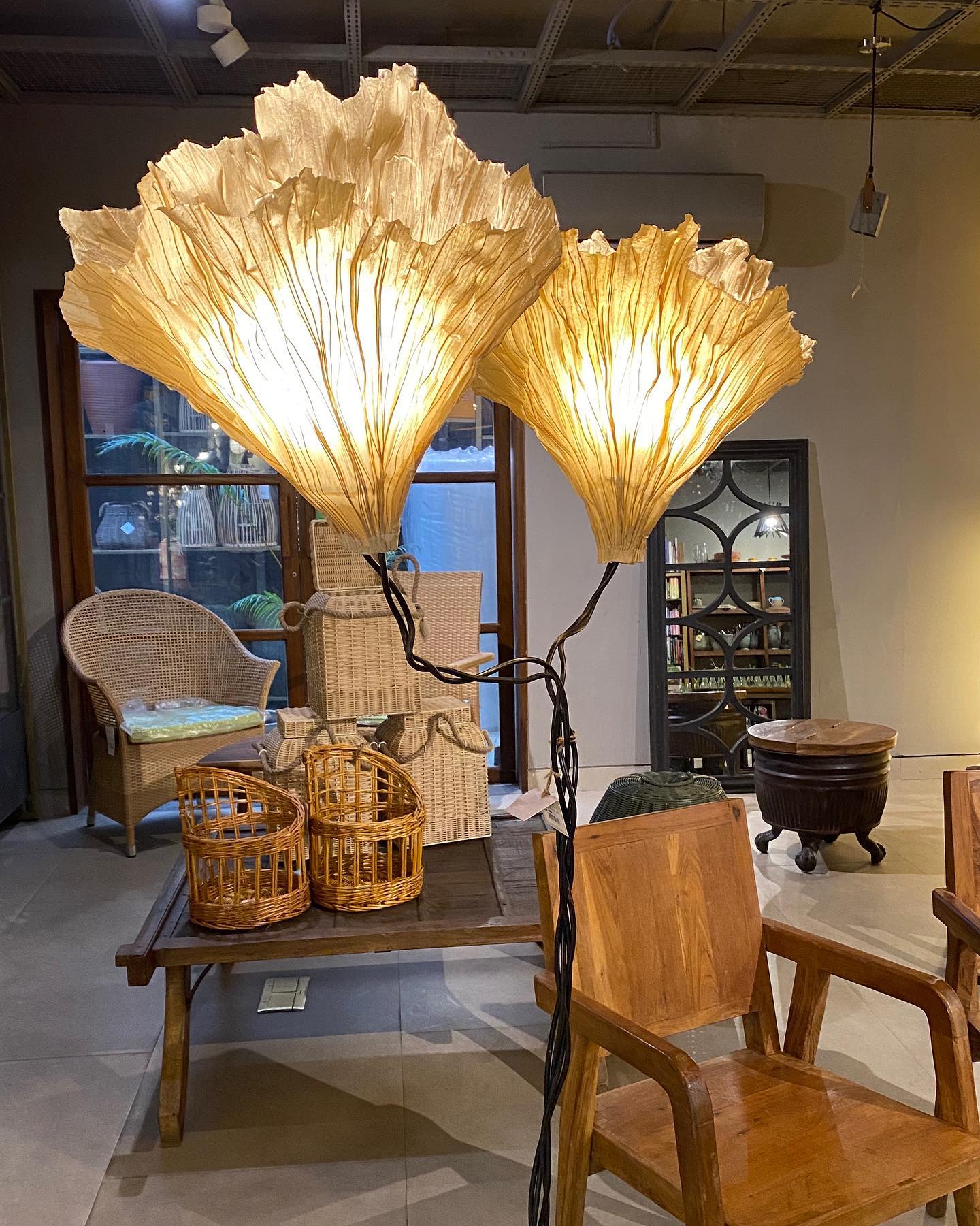
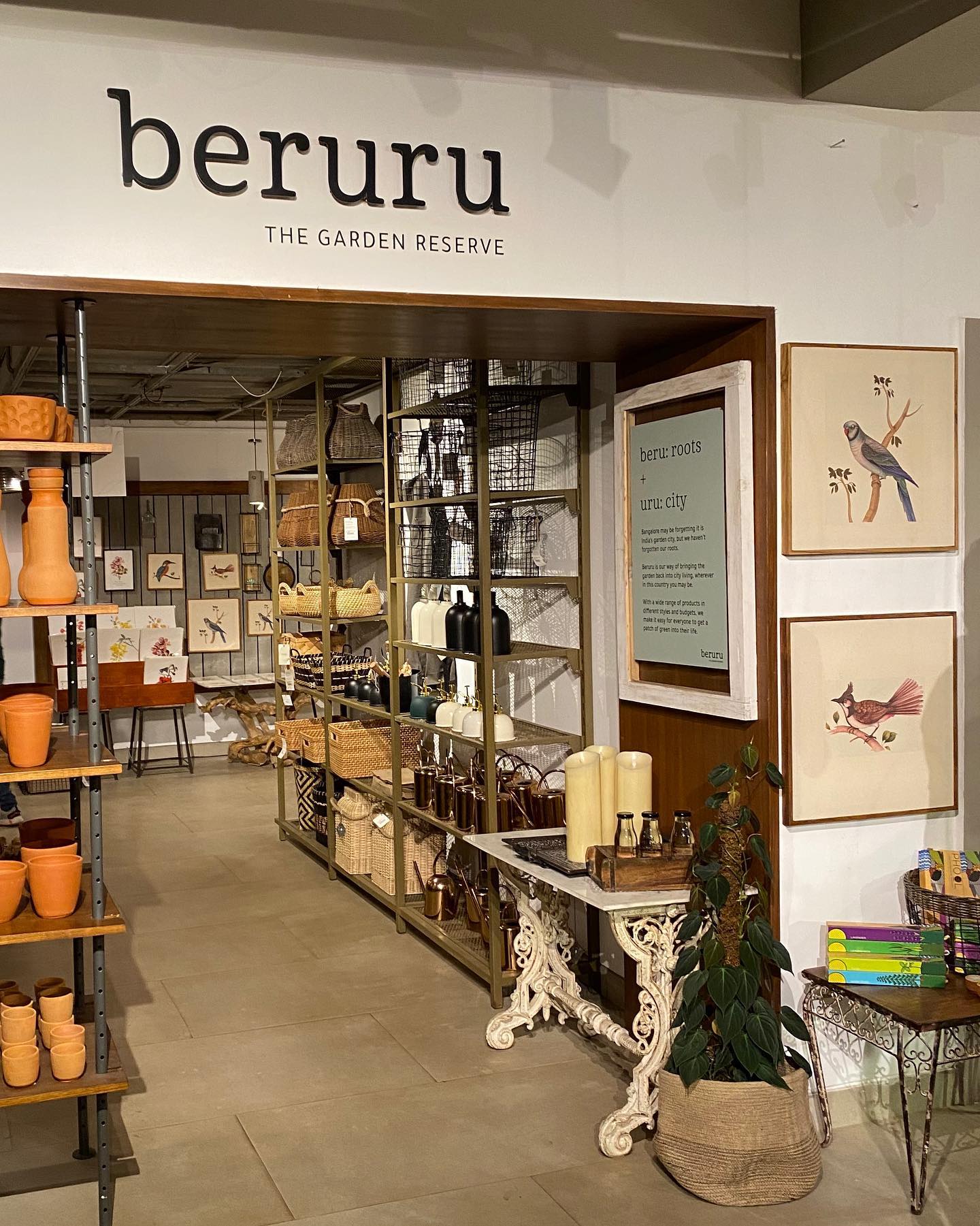
Inside the store, there are many attractive products for all aspects of lifestyle. I could go on and on with the details, so I’ll just leave it at that for now. If you are interested, please visit their website.
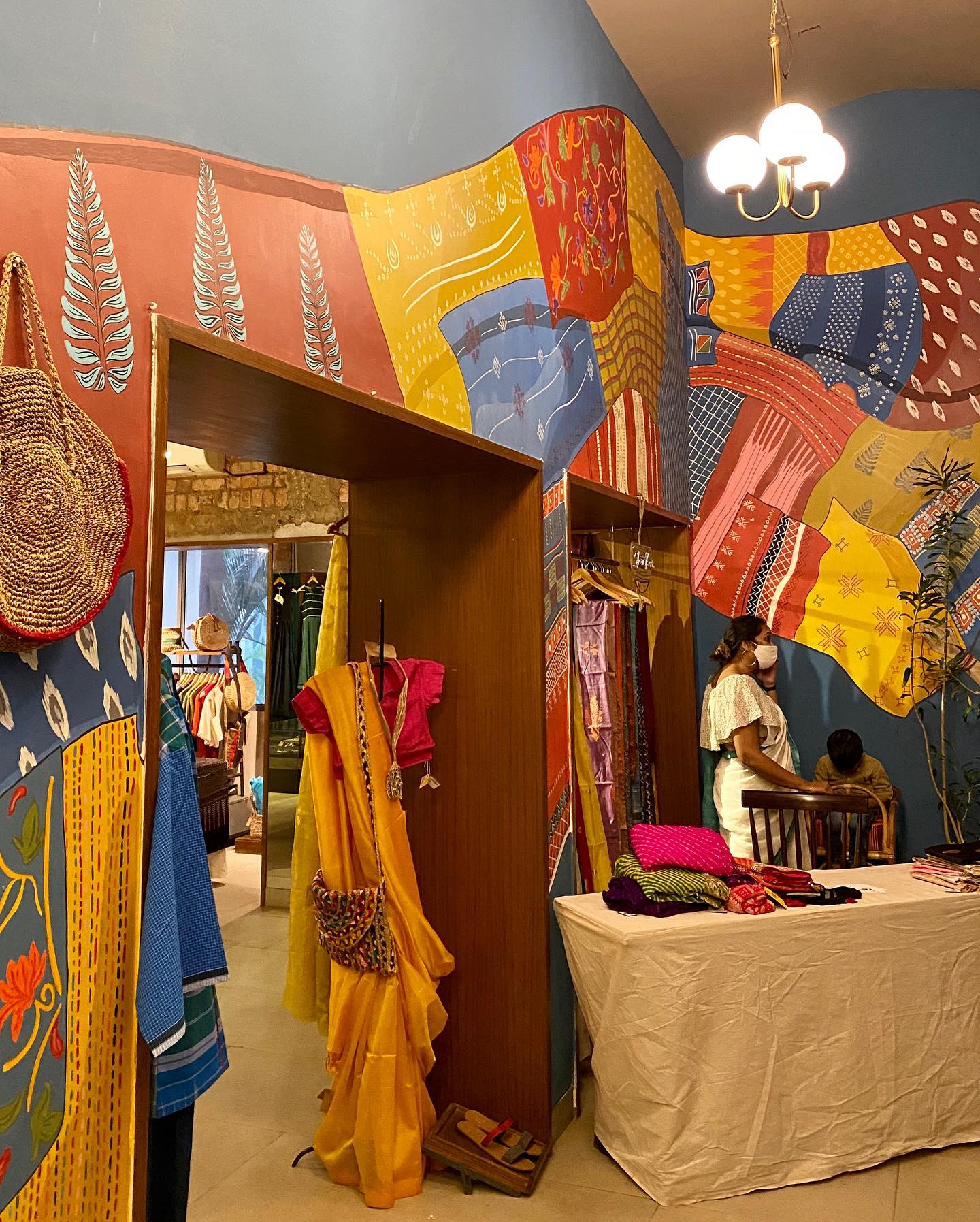
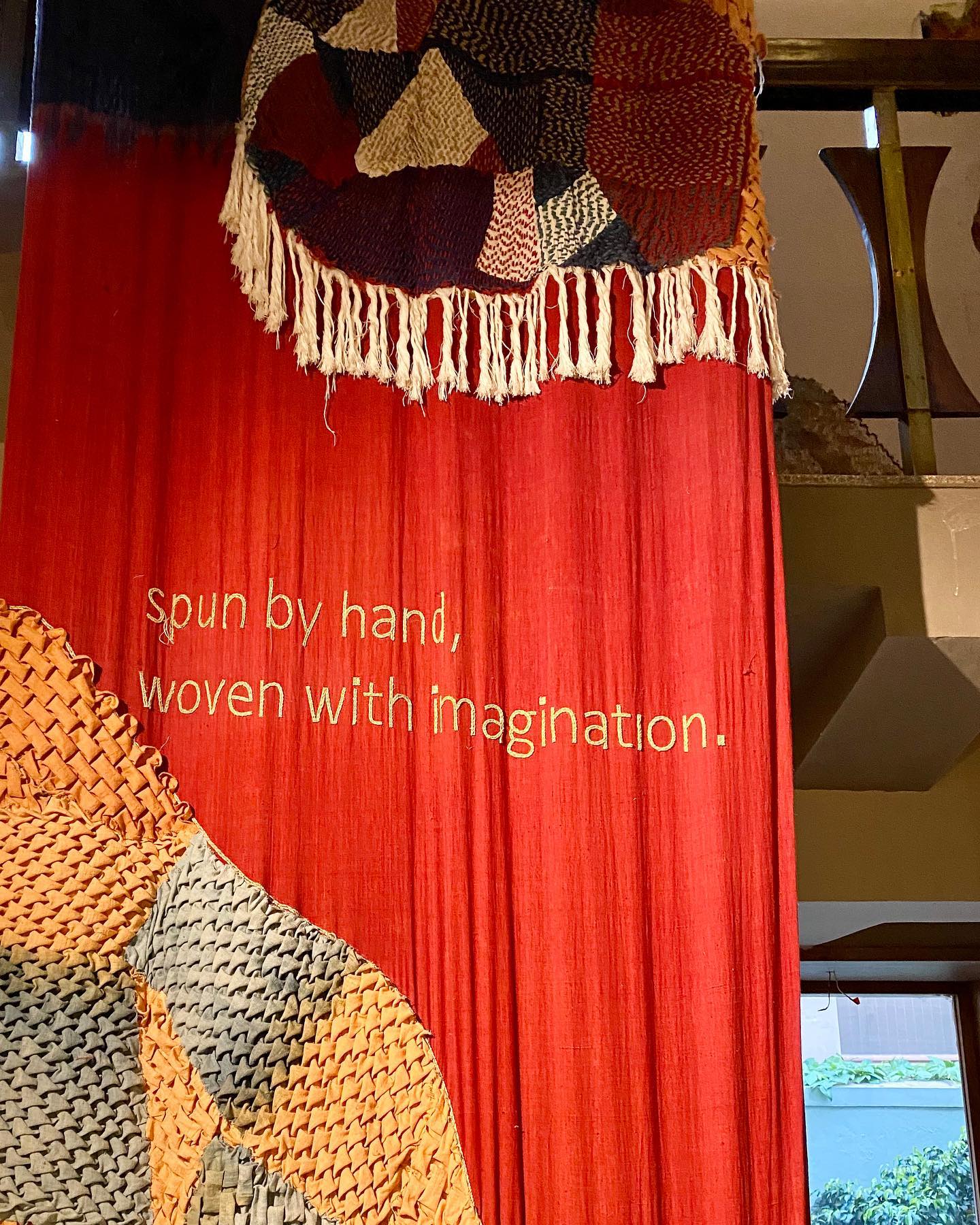
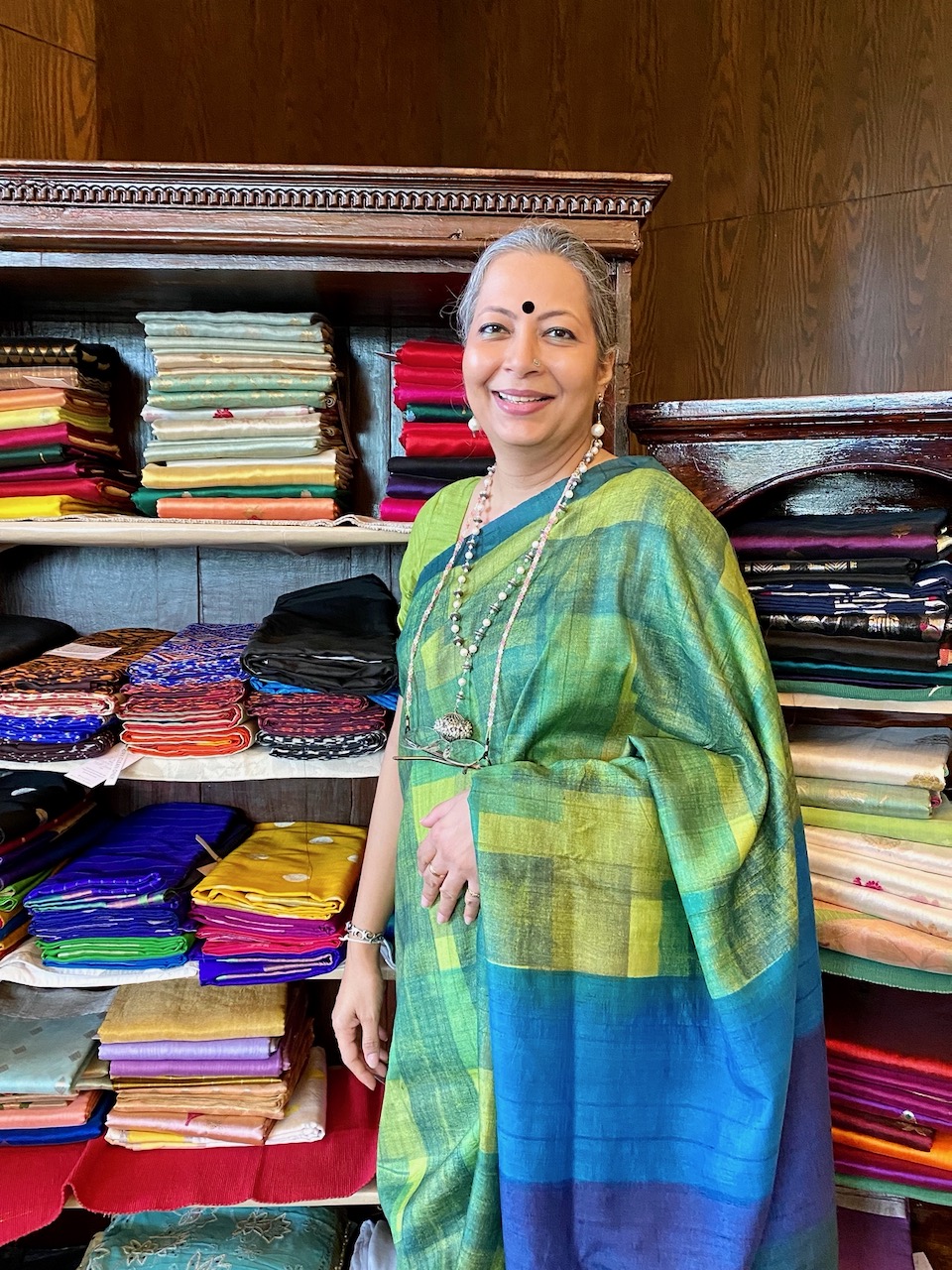
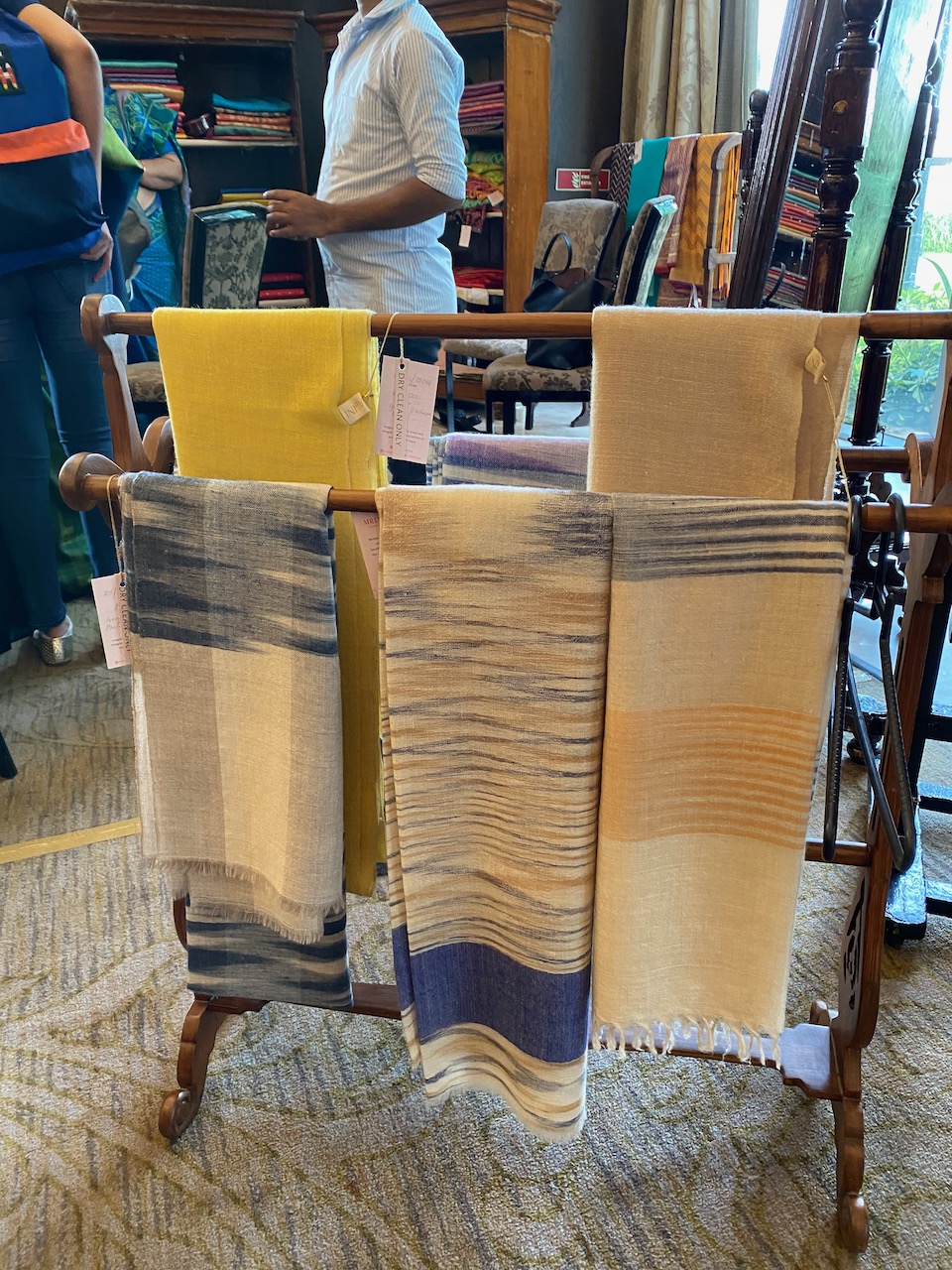
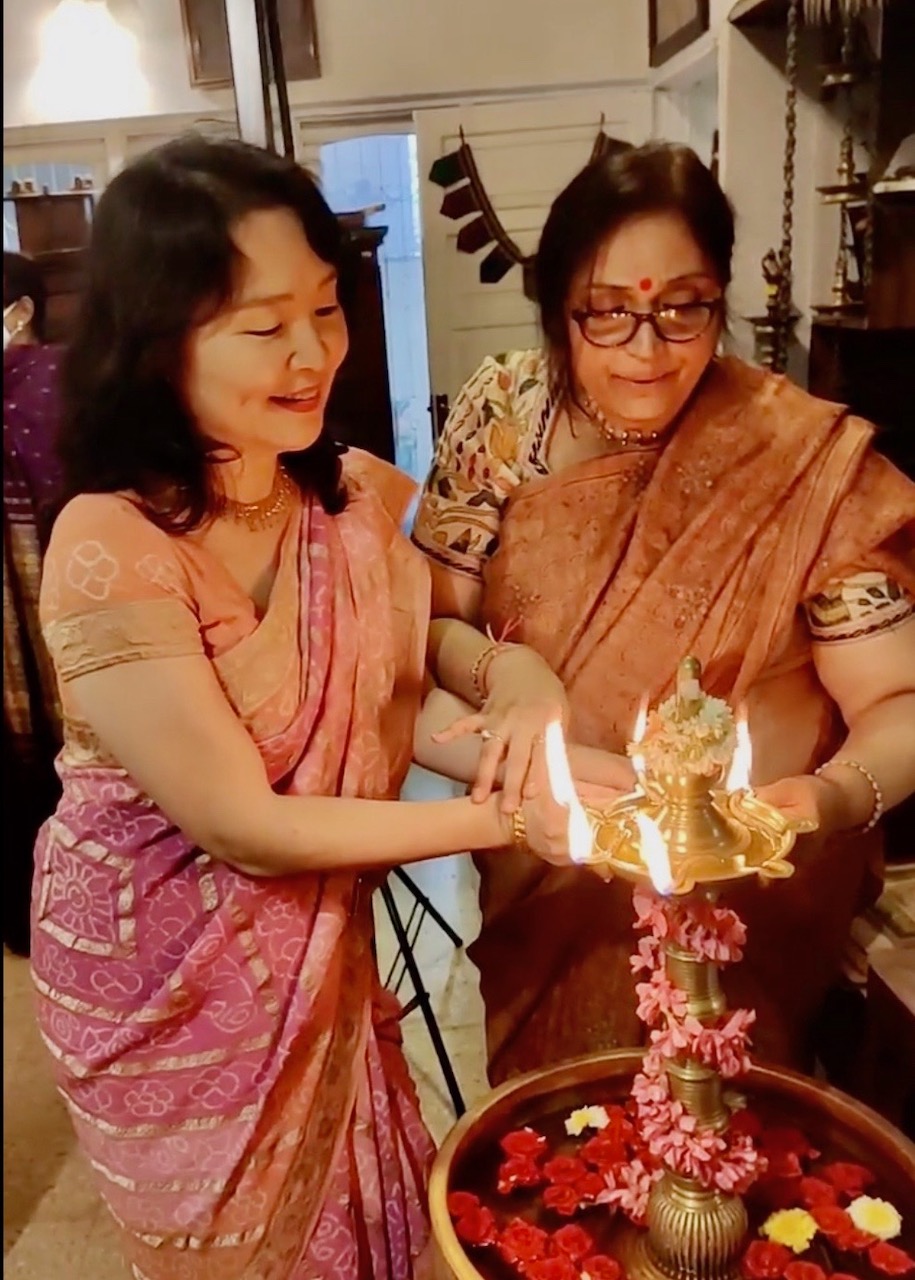
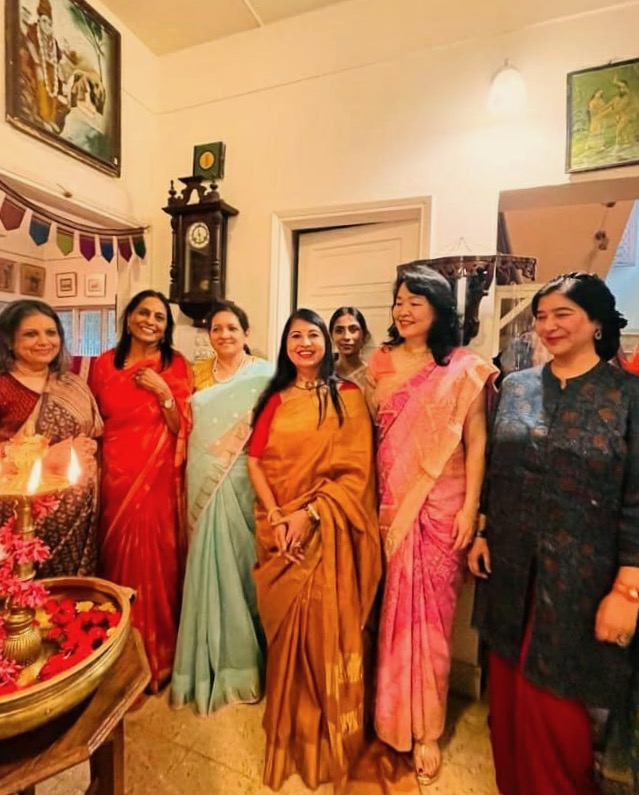
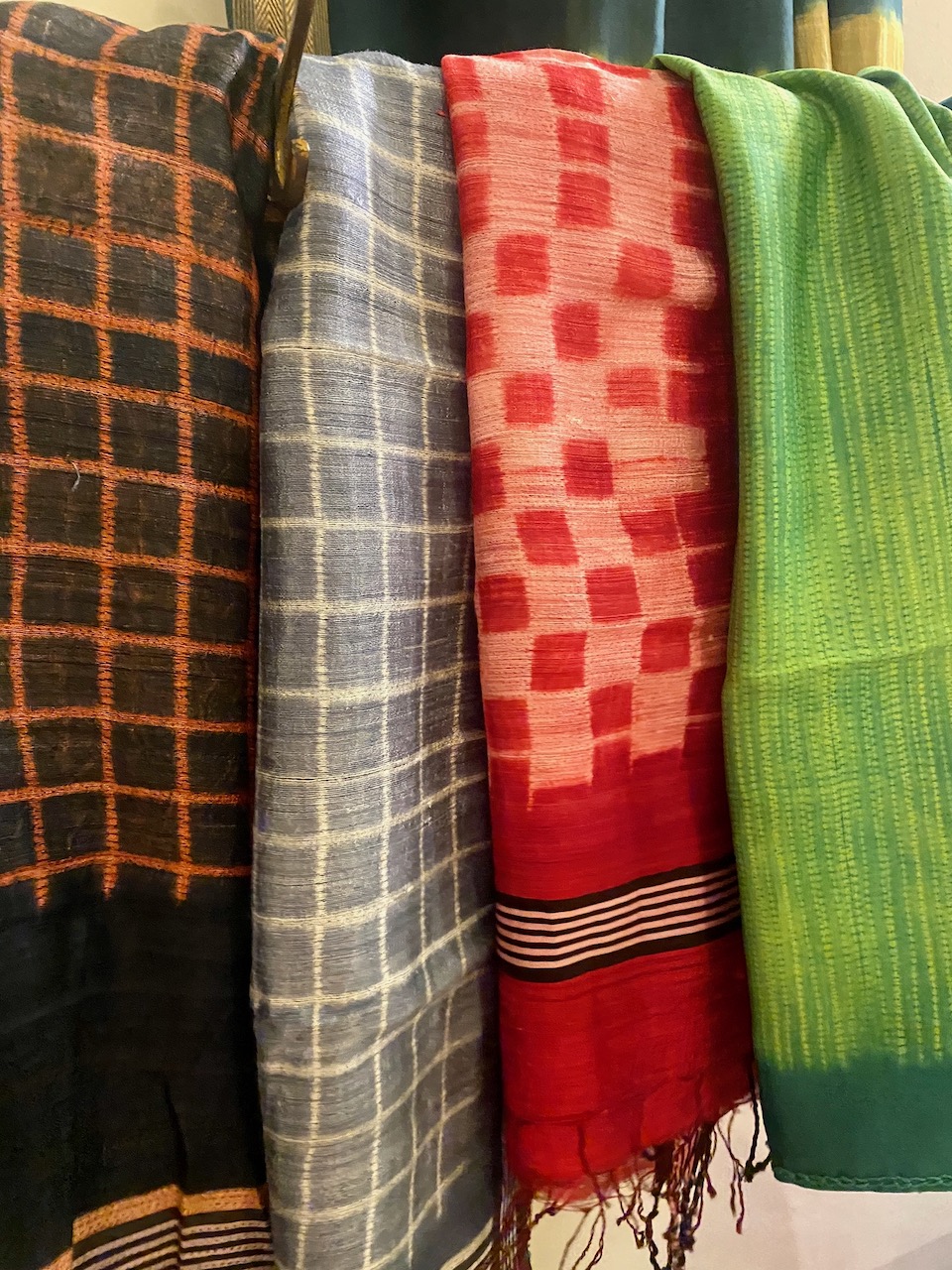
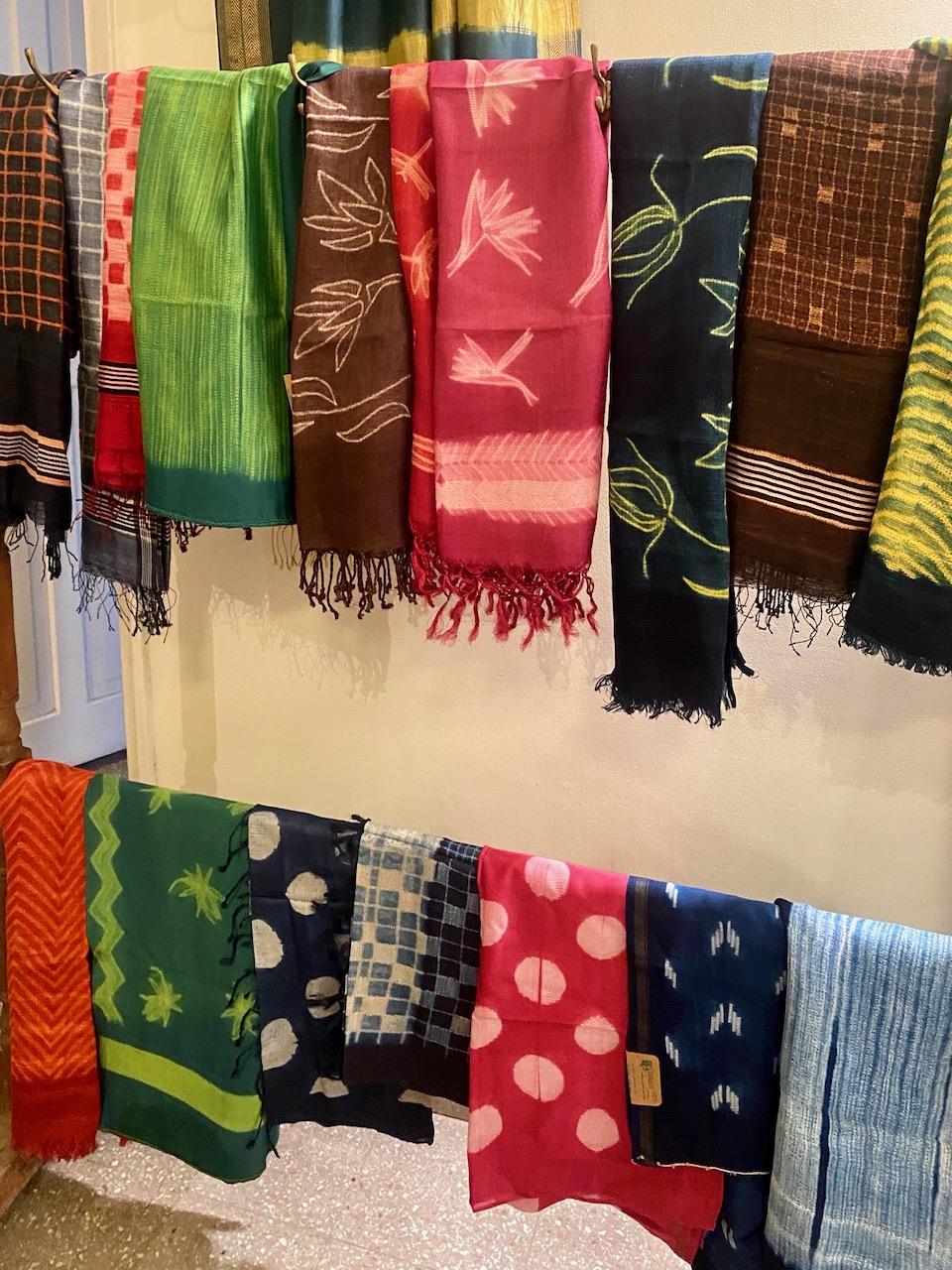
🥻Yesterday, I visited an exhibition of the new brand “Mrinalini”. Mrinalini is a platform that supports handloom weavers with the aim of preserving traditional Indian crafts.
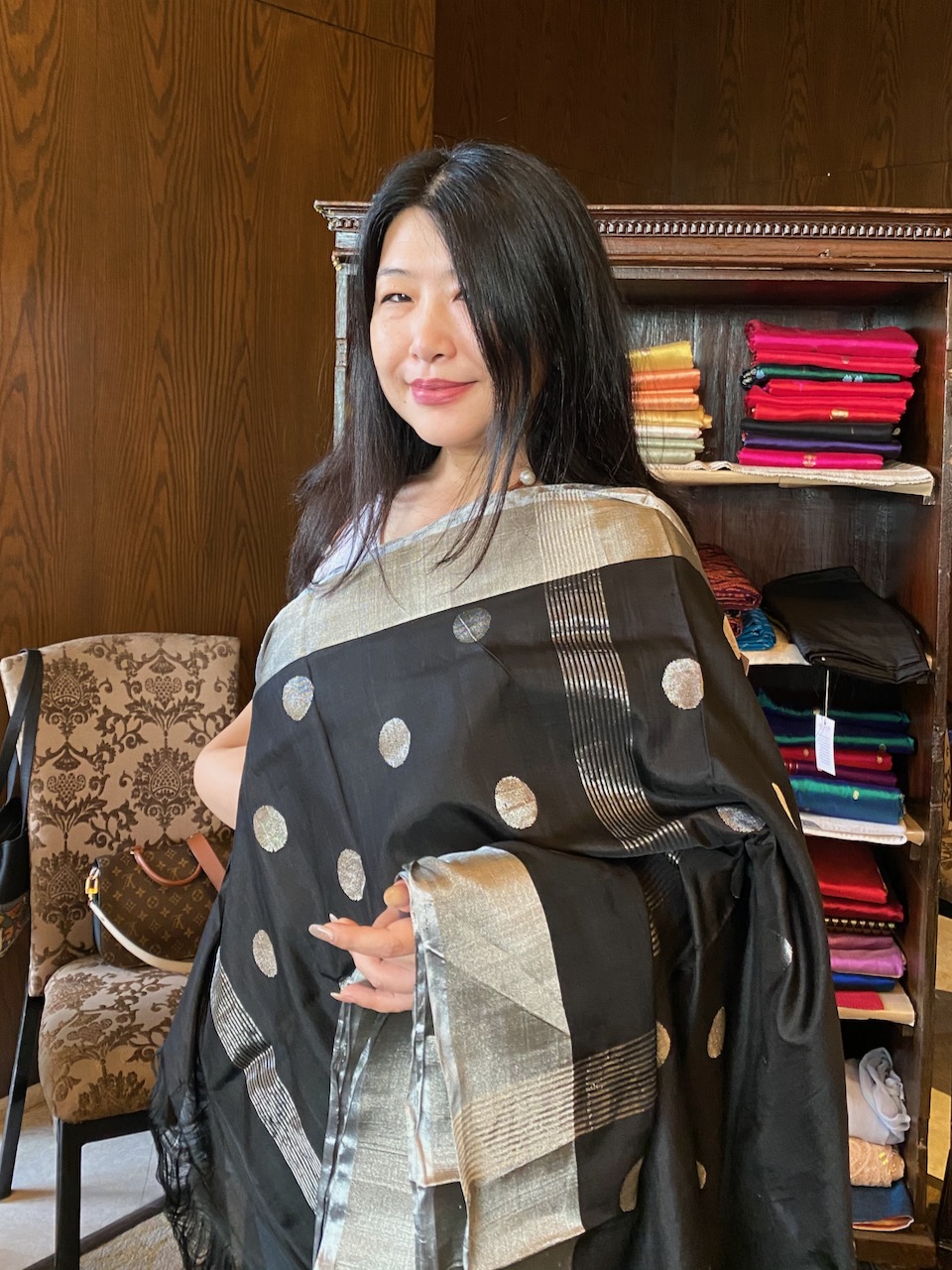
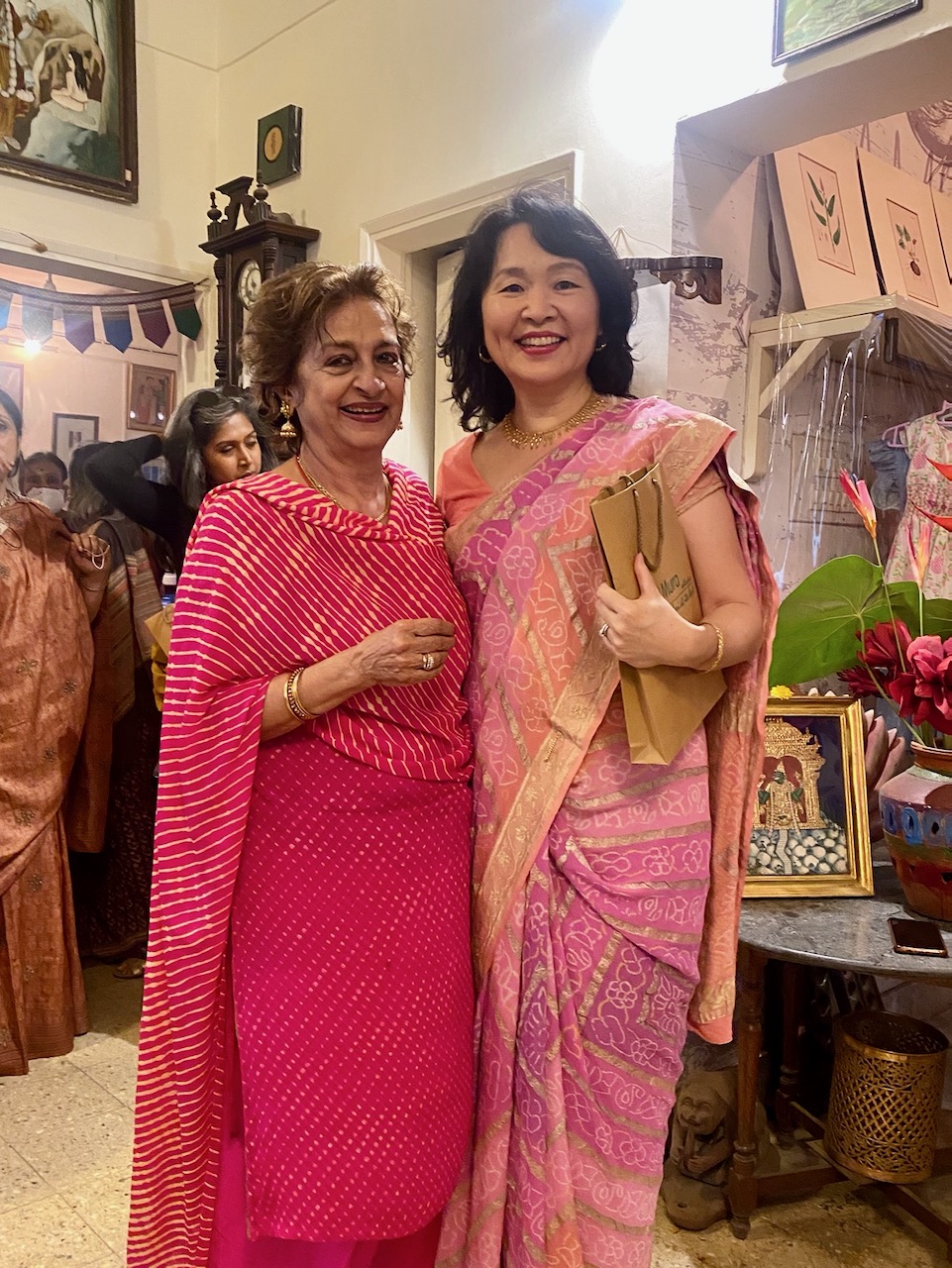
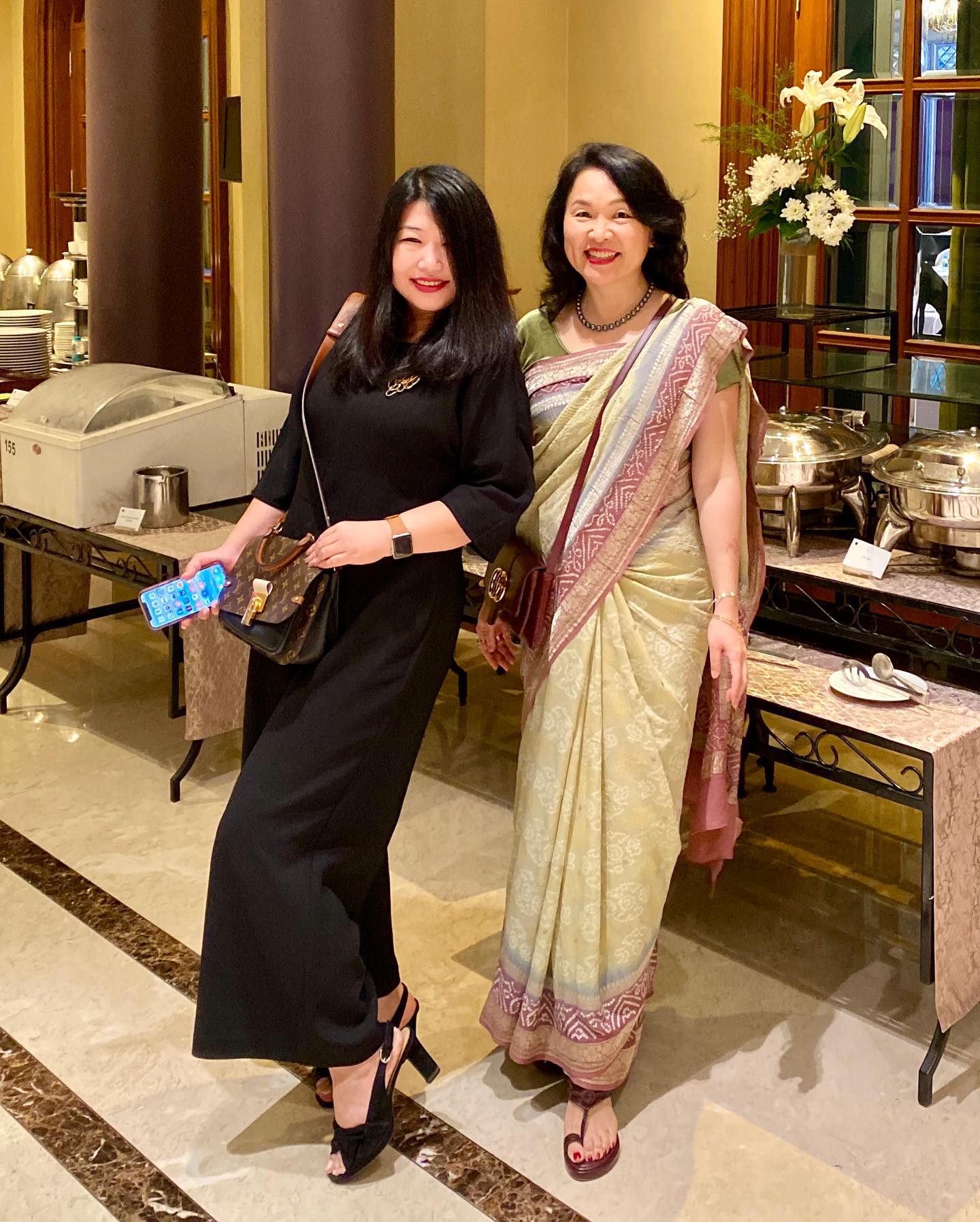
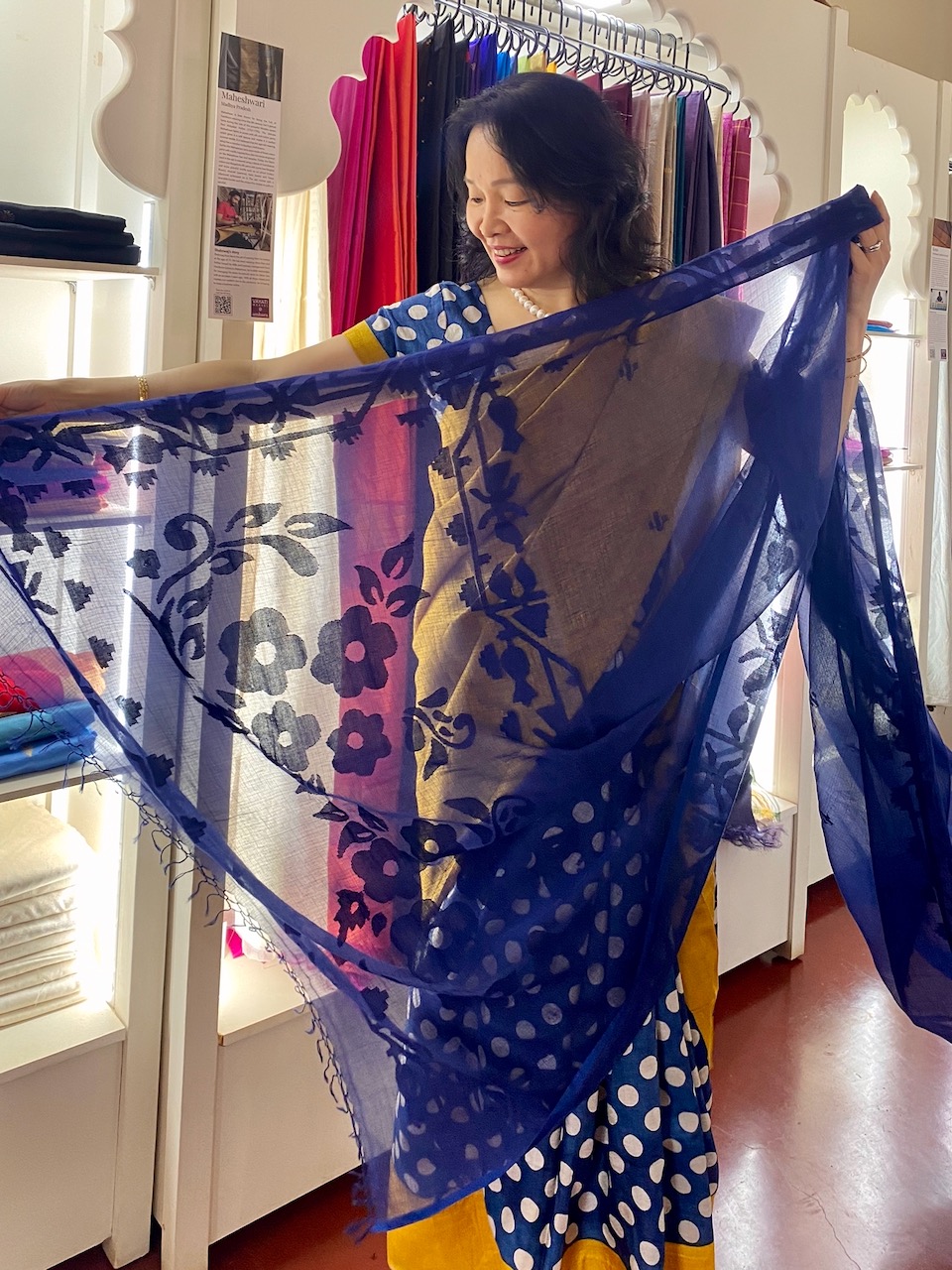
The beautiful lady in the first photo, who looks great in a saree, is the co-founder of the company, Yashodhara. The venue was filled with “works of art” by skilled artisans from all over India.
There are lots of sarees here and there made with my favorite technique! Touch, Spread, Stare, Admire….Whenever I see the beautiful textiles that feels good, I want to spread them out and swim in it.🏊♀️😁
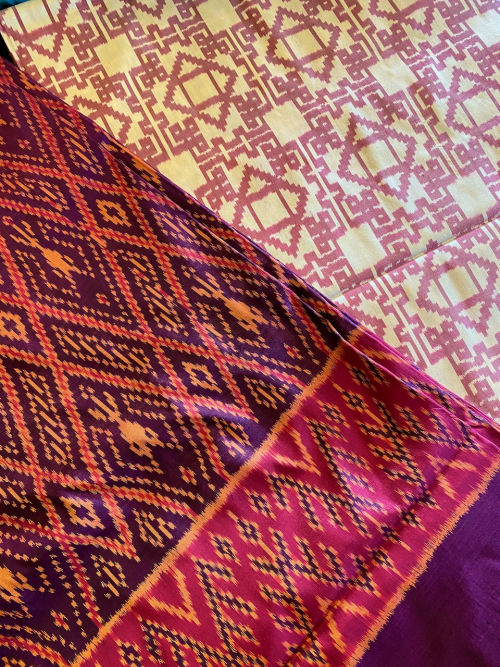
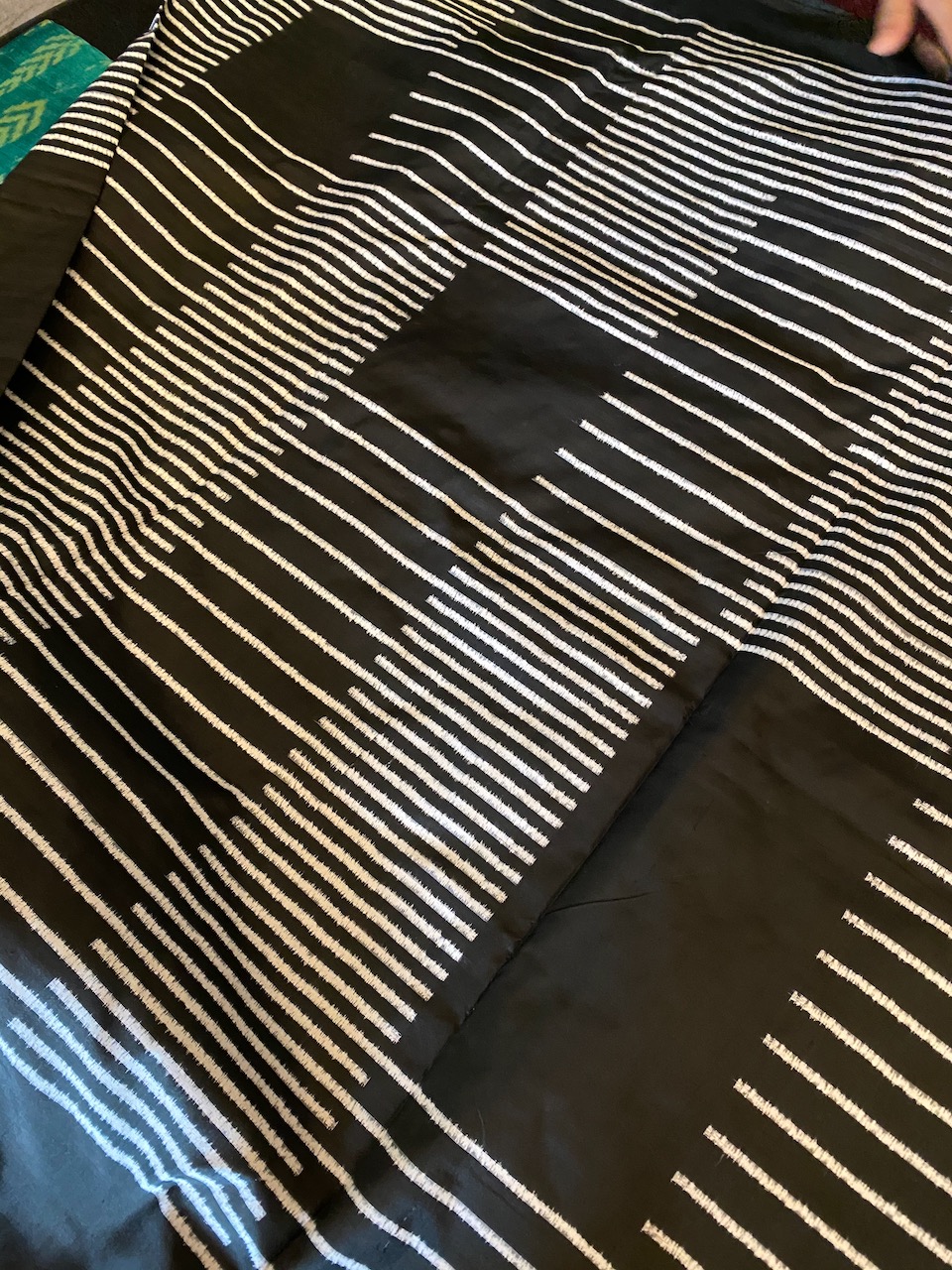
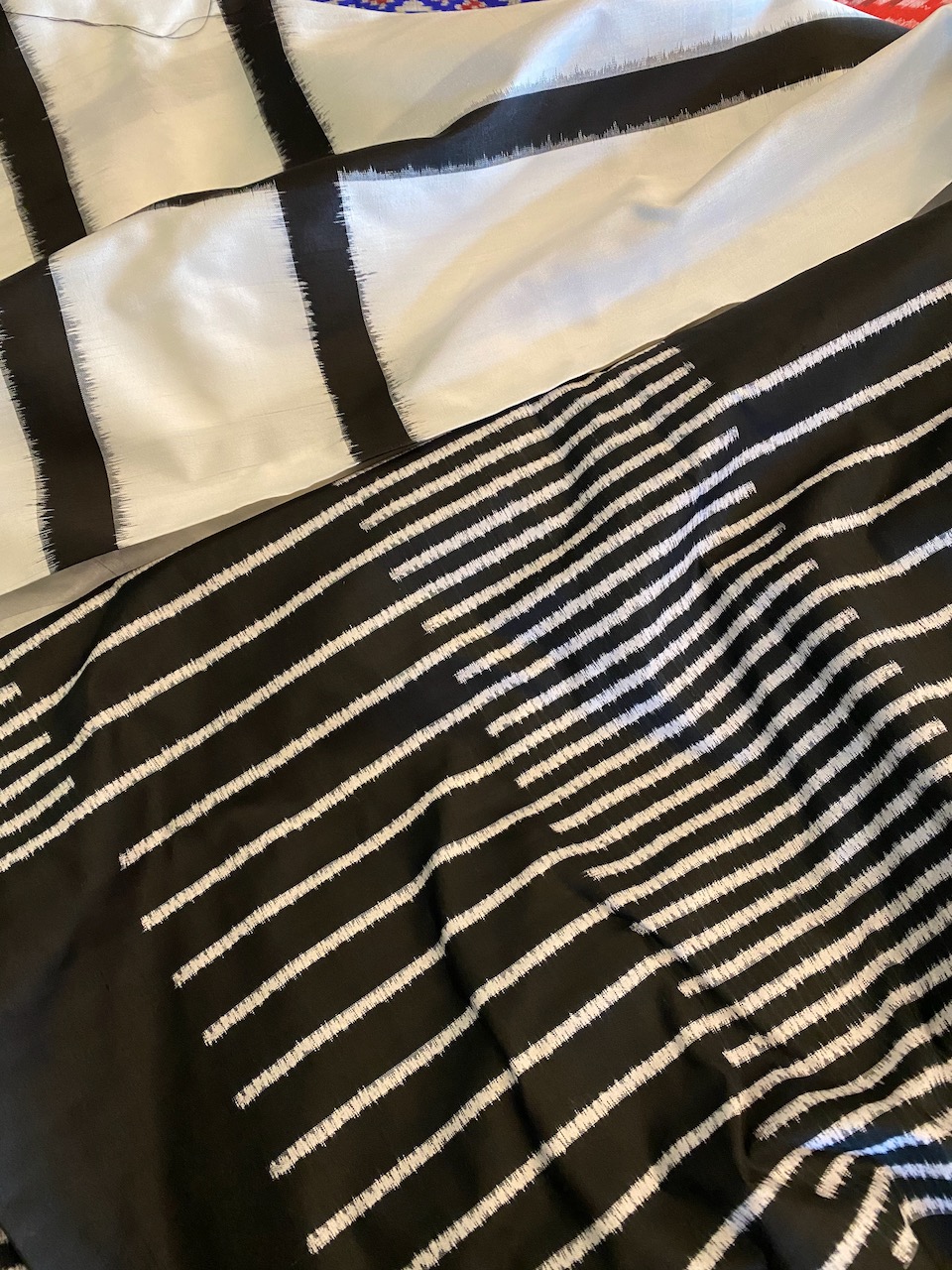
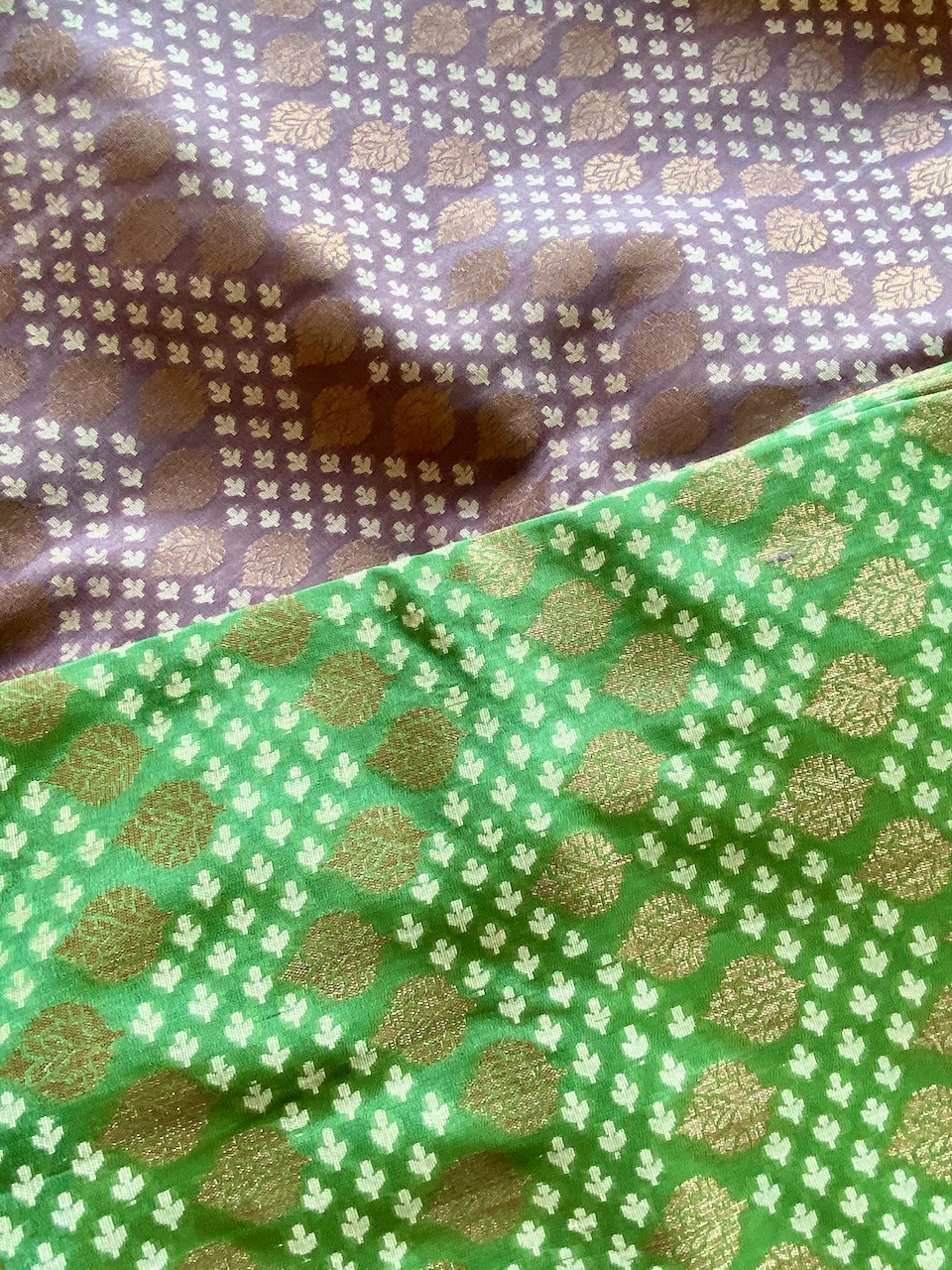
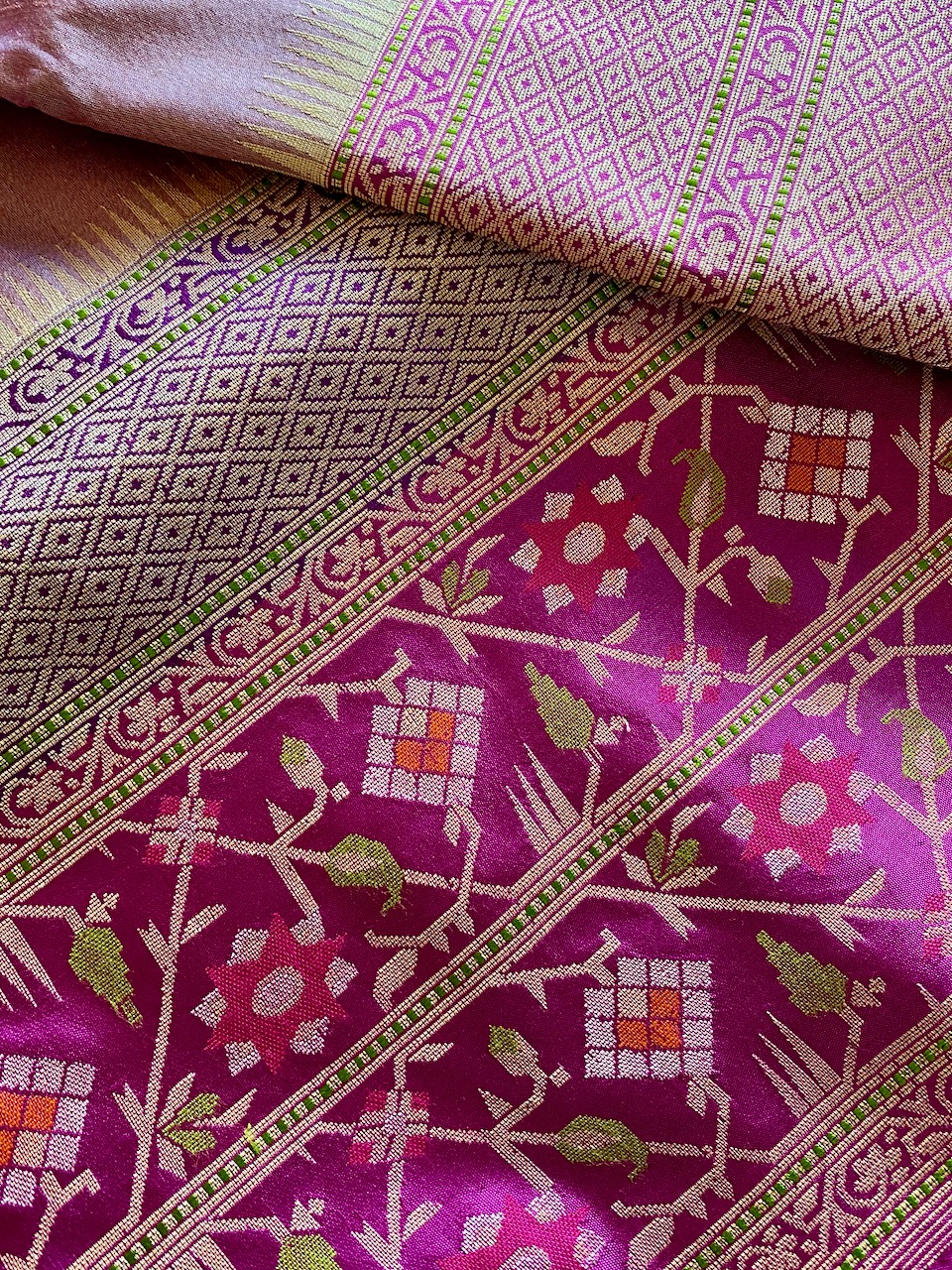
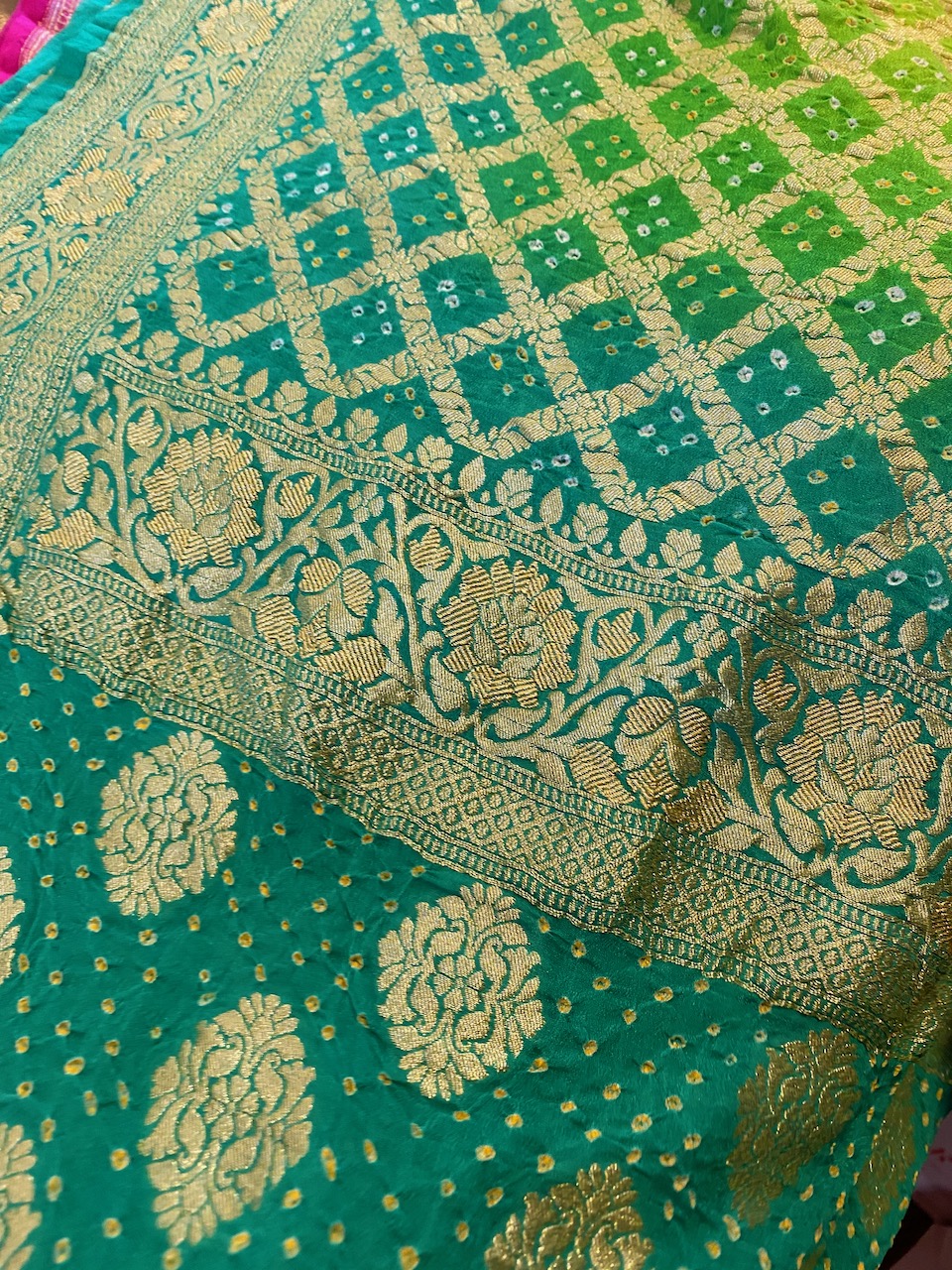
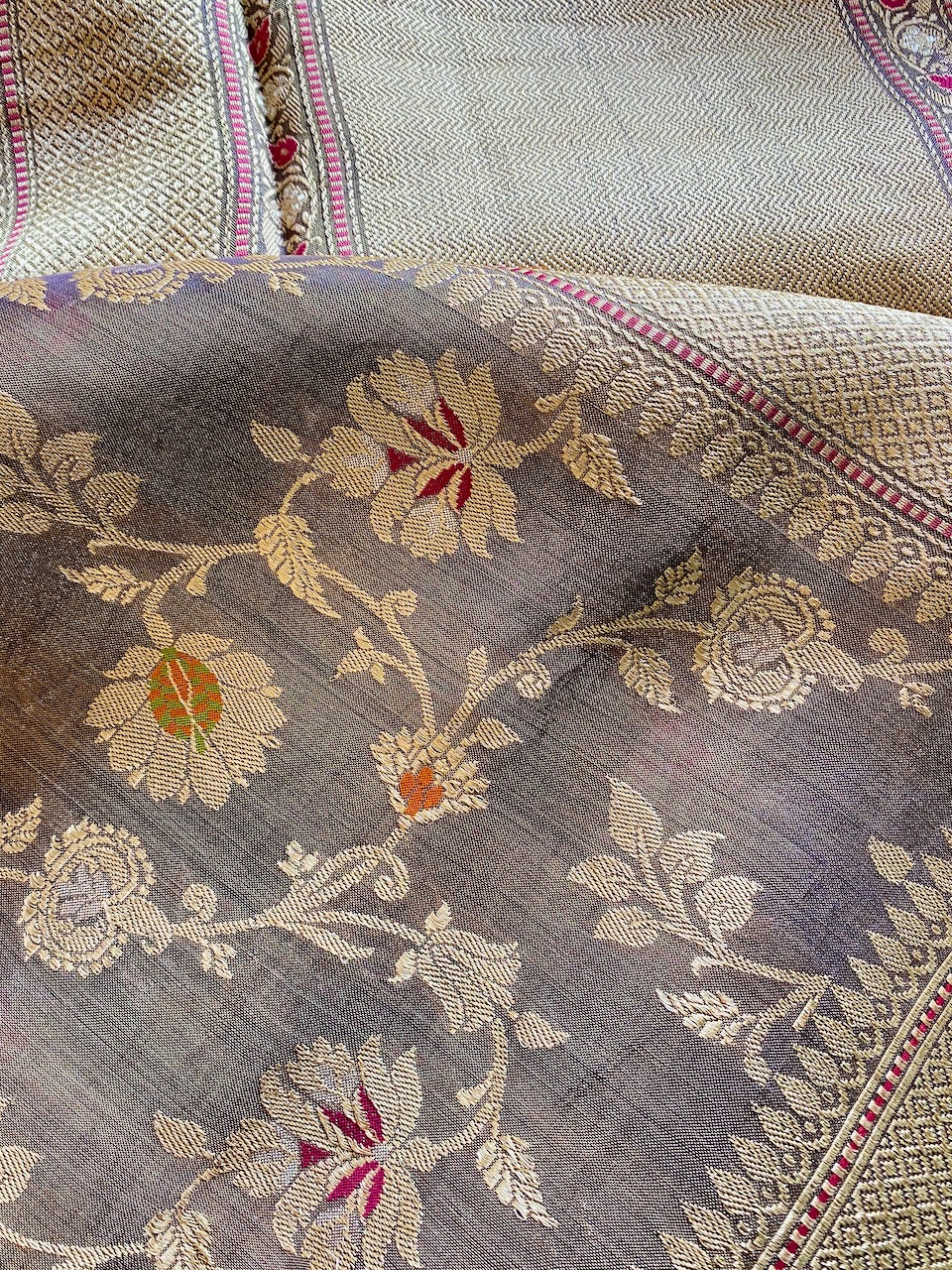
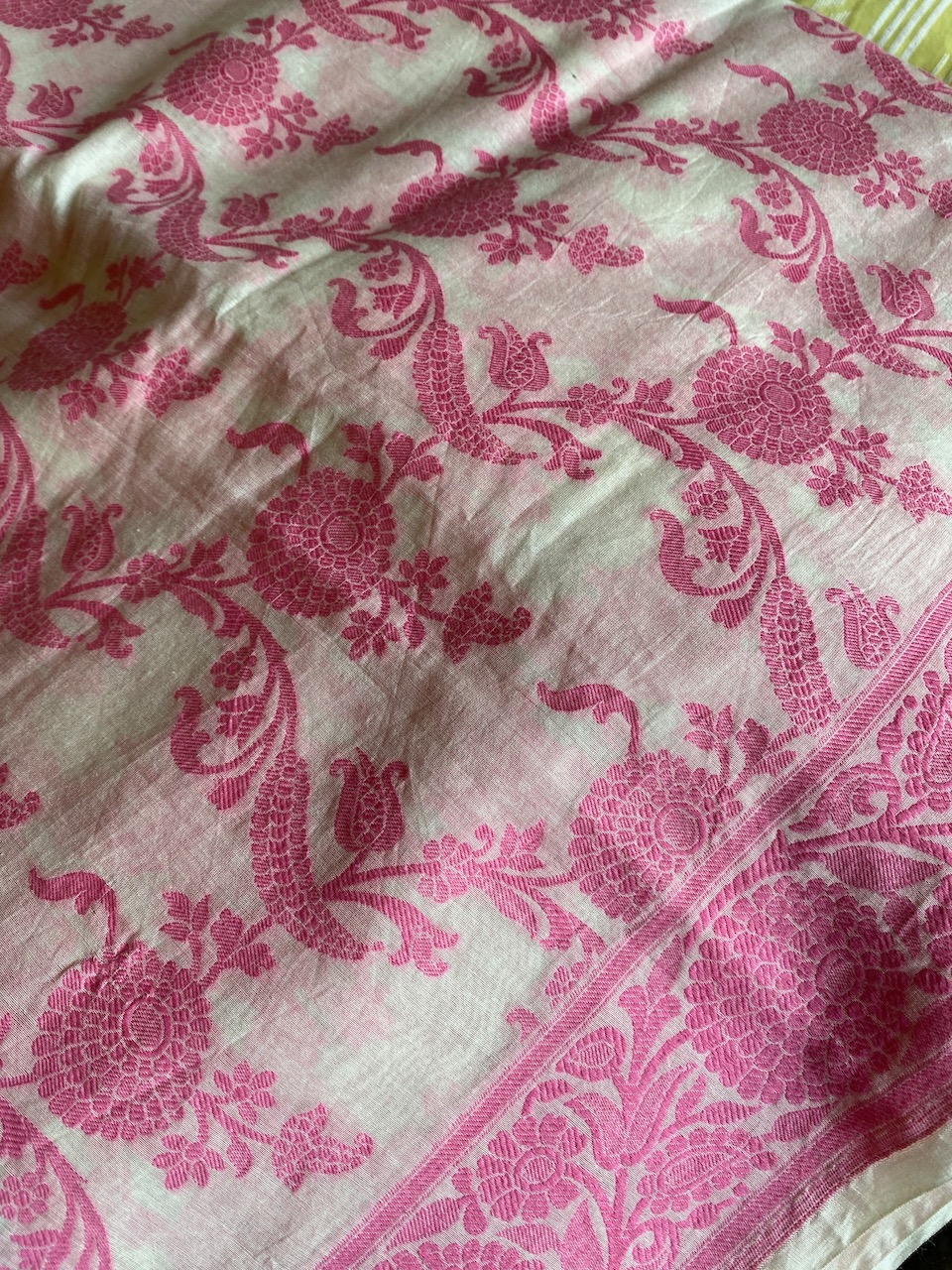
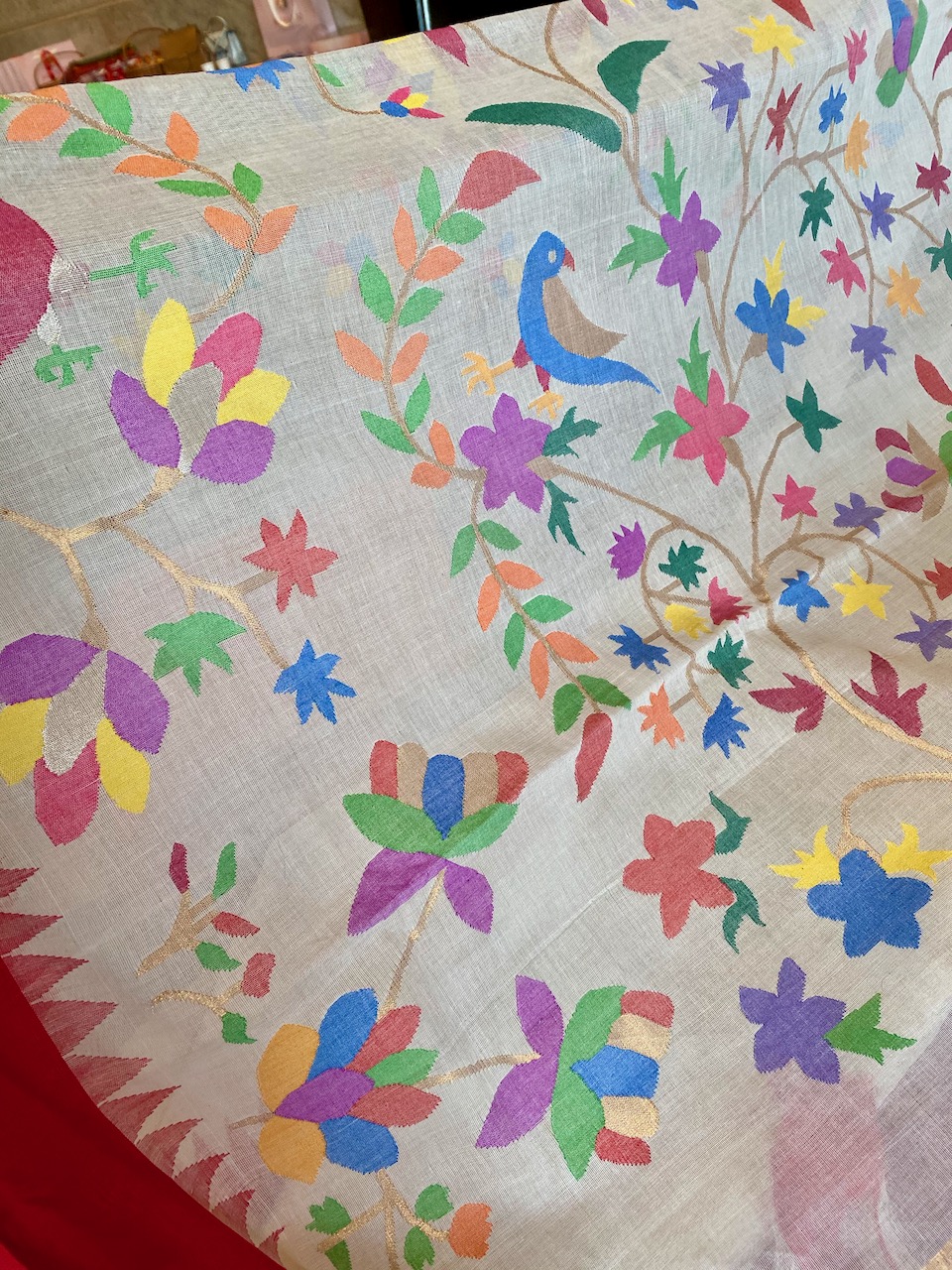
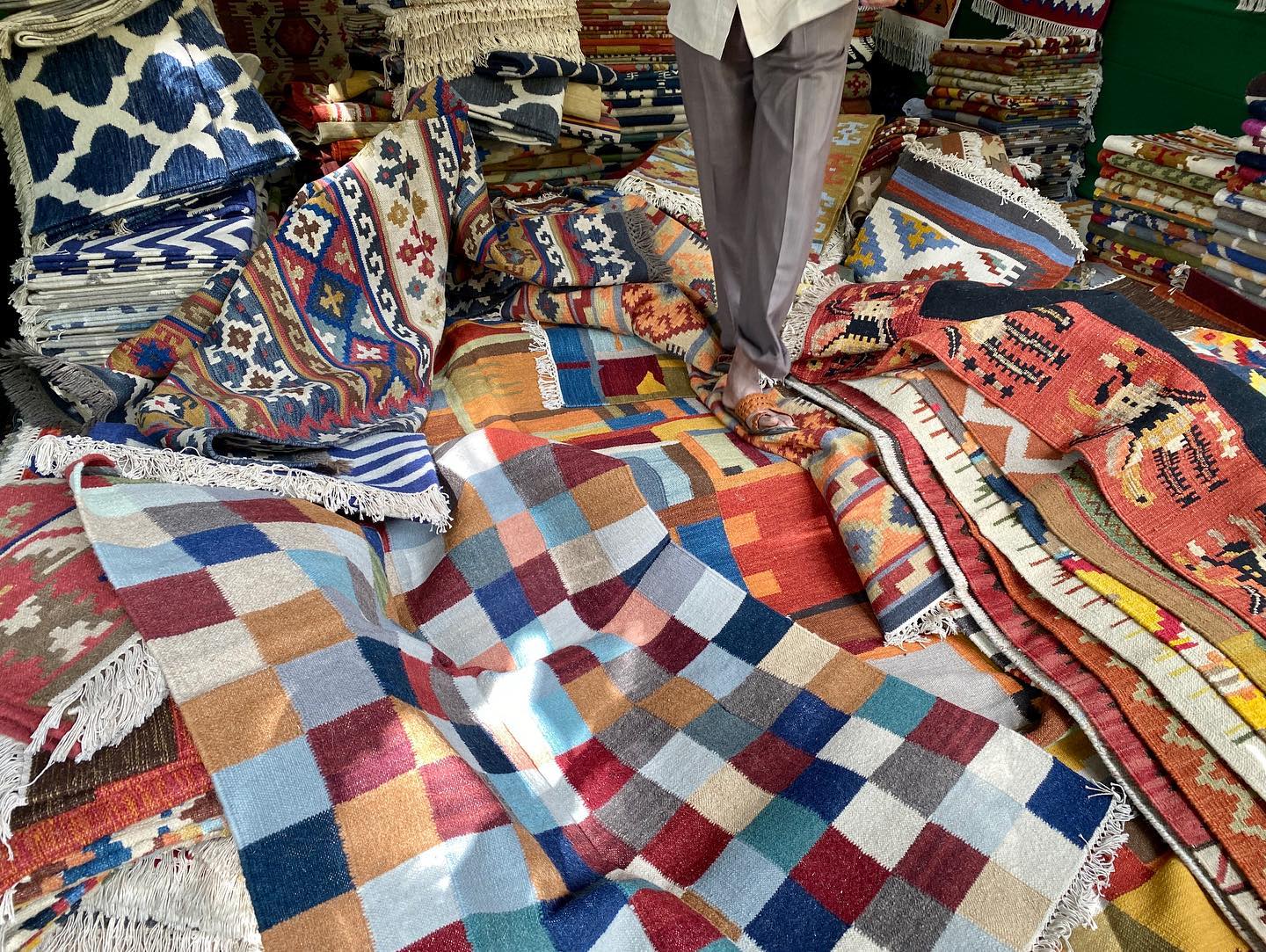
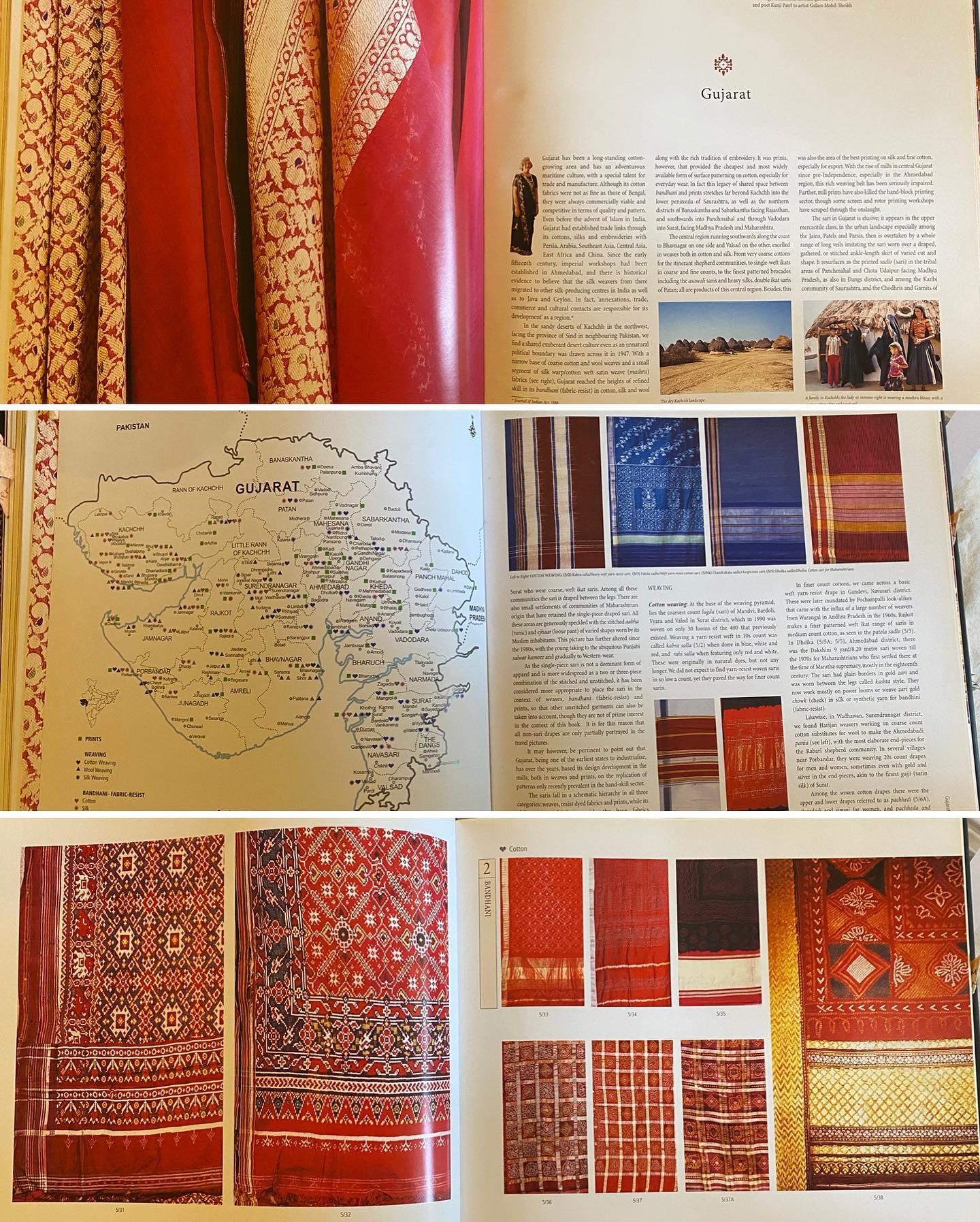
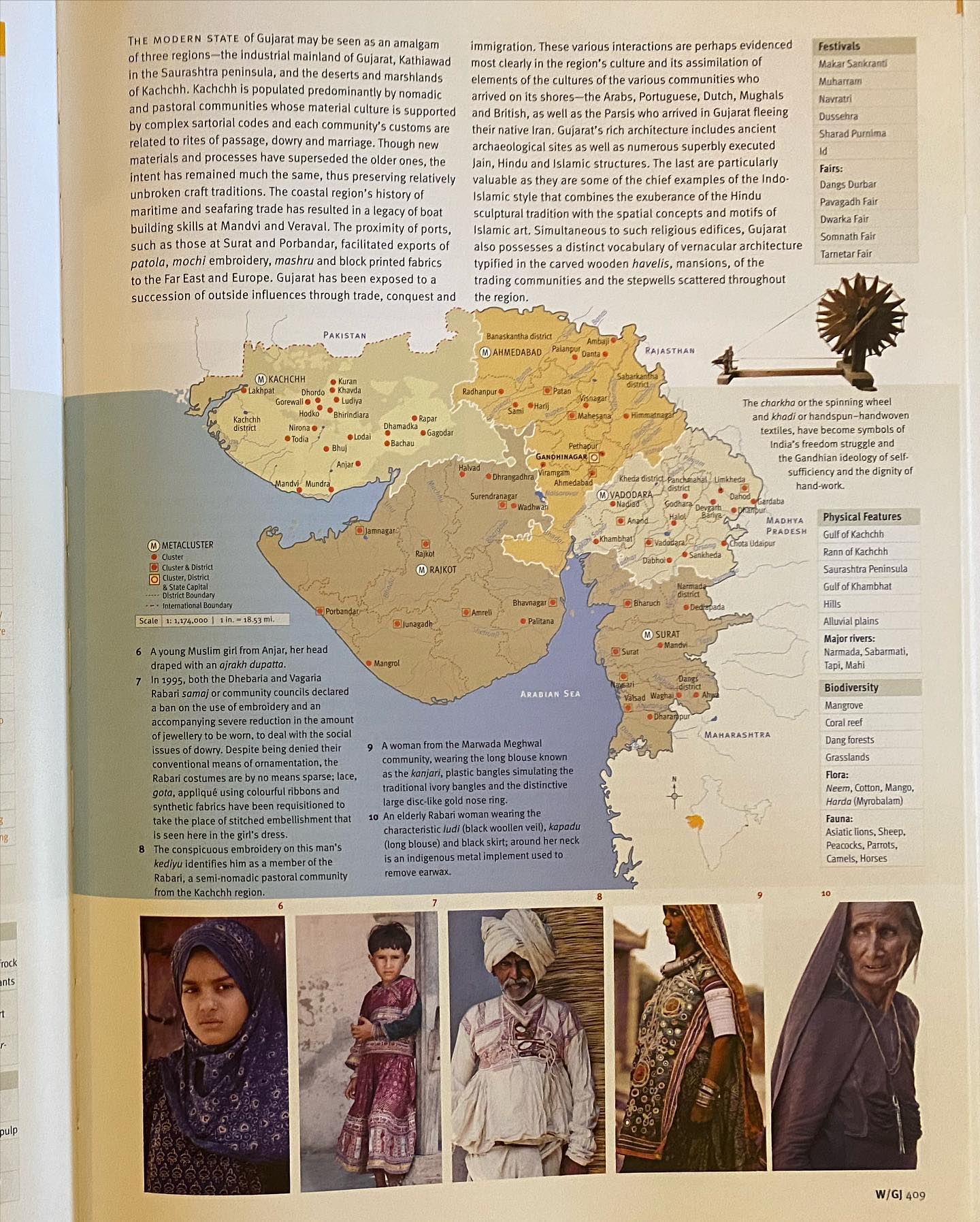
There were many different types of textiles, such as Ikat from Andhra Pradesh, Chikankari (embroidery) from Lucknow, Banarasi silk from Varanasi, Bandhani (tie & dye) from Gujarat, and Jamdani from West Bengal.
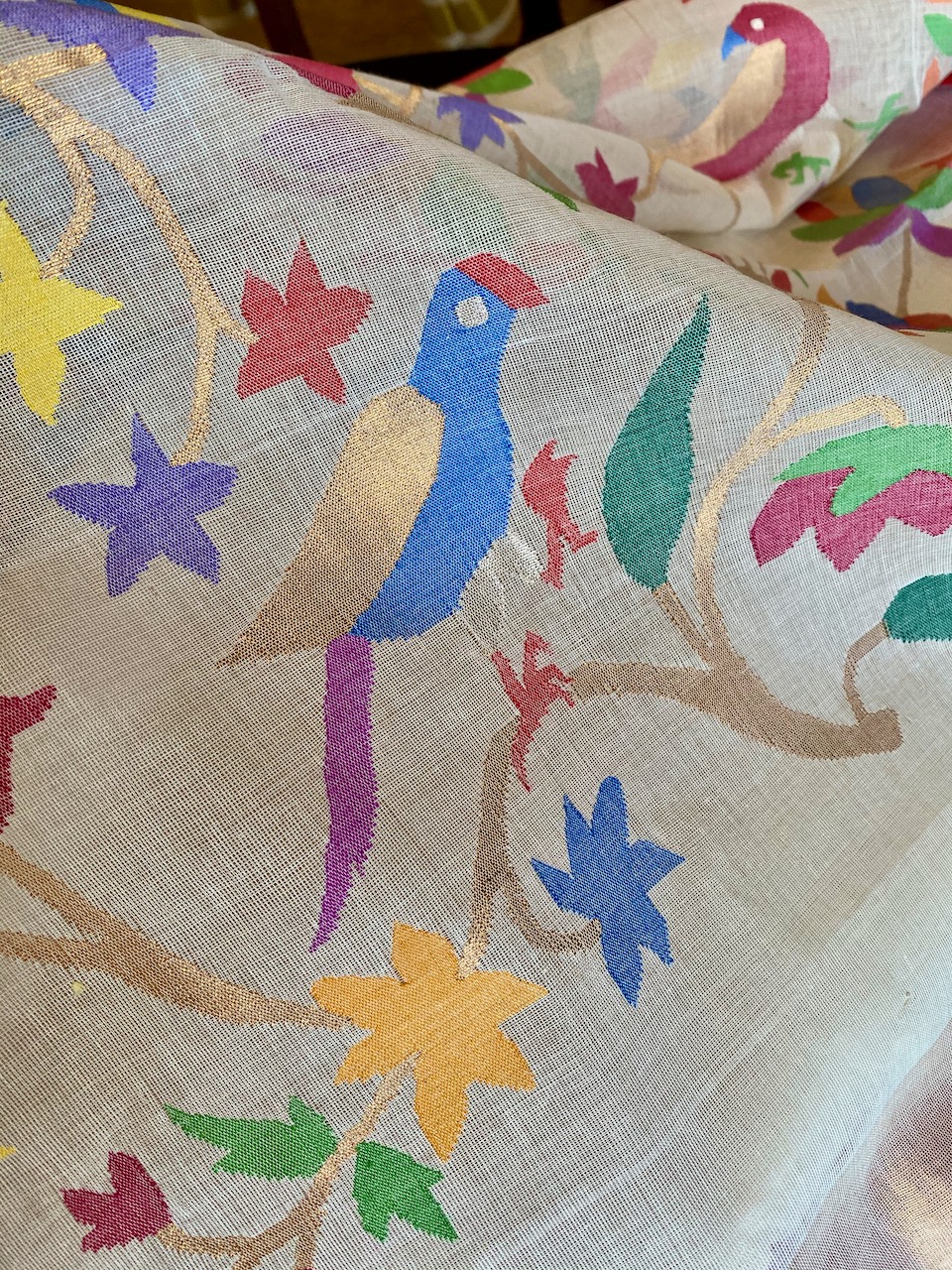
Among them, “Ikat, woven by the traditional Cambodian technique” and “Jamdani,” which is as light as a feather with colorful birds and flowers woven into it, are outstanding!!
The sarees were quite reasonable since they were purchased from artisans. As a consumer of sarees for the past 16 years, I have seen the evolution of the saree market, and I understand it pretty well.😉
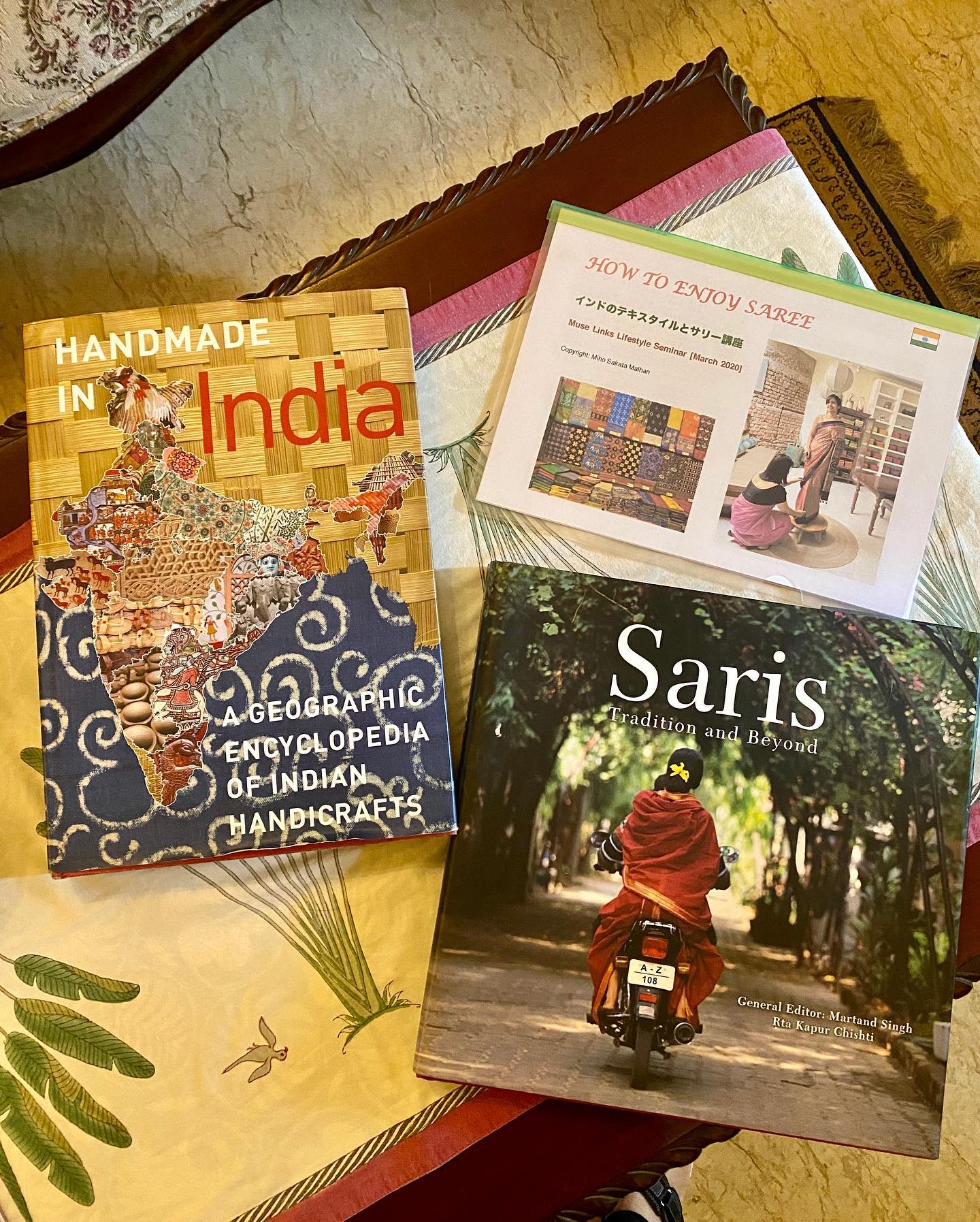
Before the pandemic, I used to give seminars on “Indian Textiles and Sarees” to Japanese people living in Bangalore. After the lecture, the participants could try on my sarees.
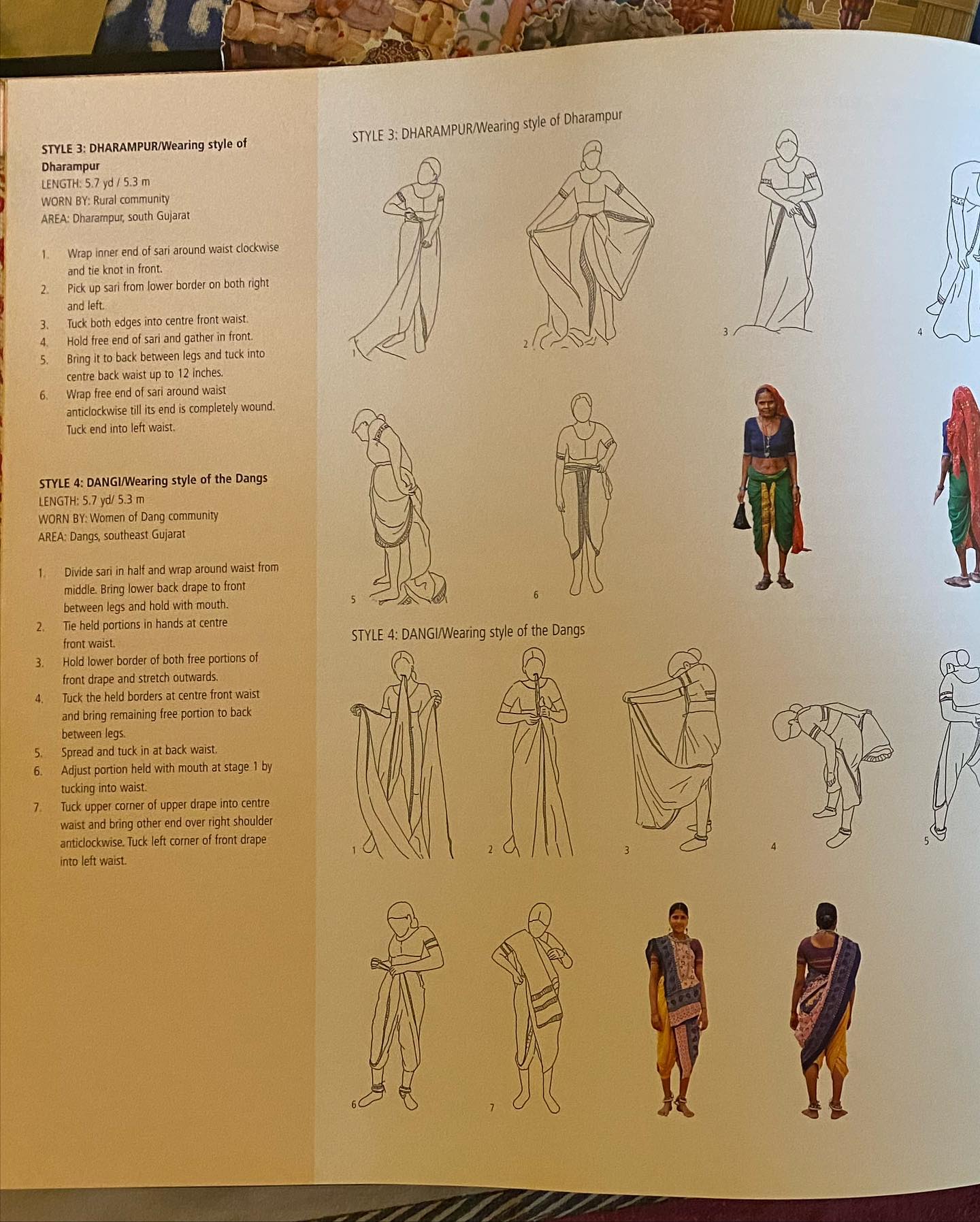
By trying on different sarees, they were able to get an idea of what sarees tend to look good on them. I also often organised “Saree shopping tour” for them. In the future, I will be able to give tips on how to choose and wear sarees to the “younger generation” of Indian women who are not used to wearing sarees.😆
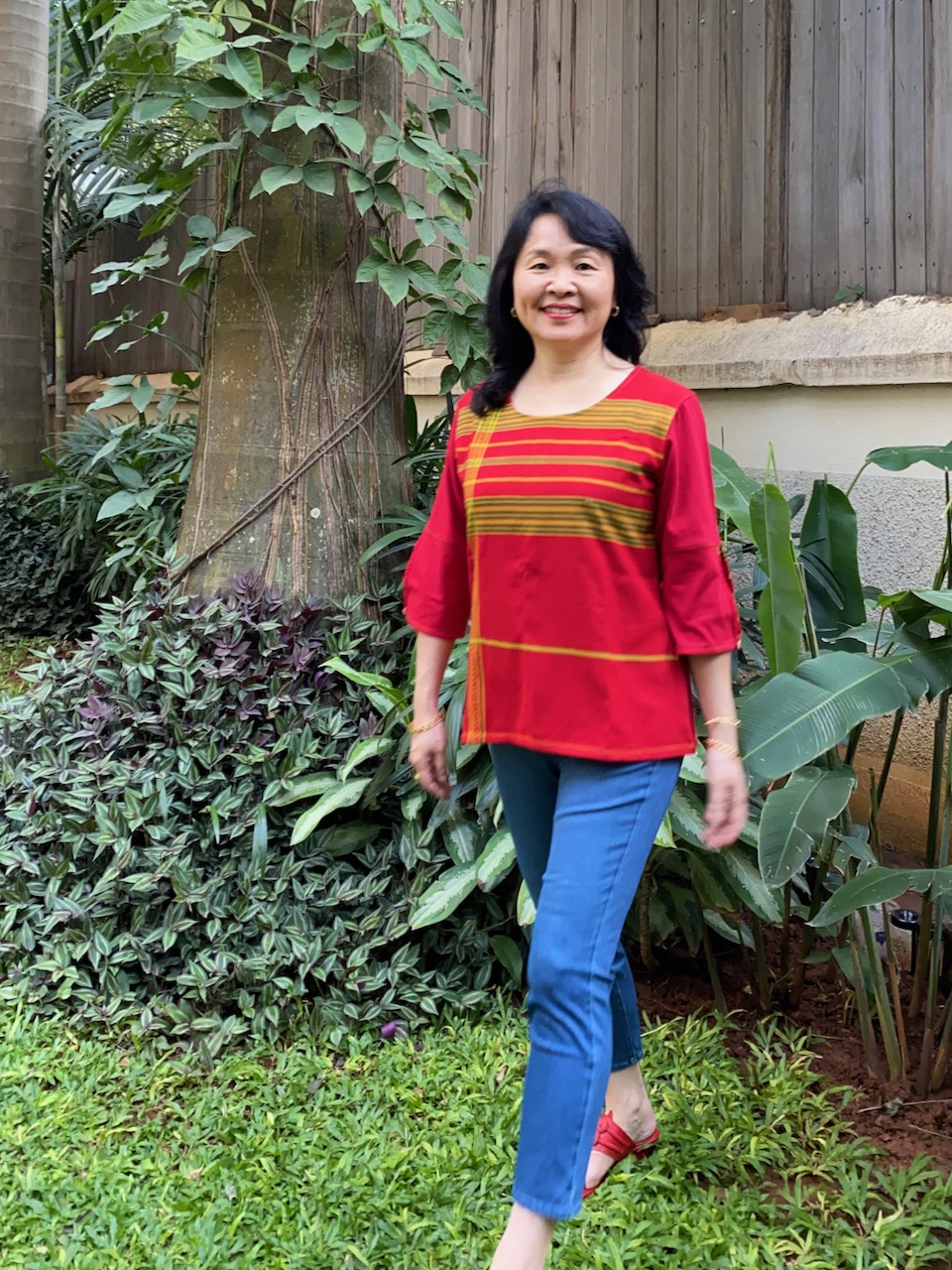
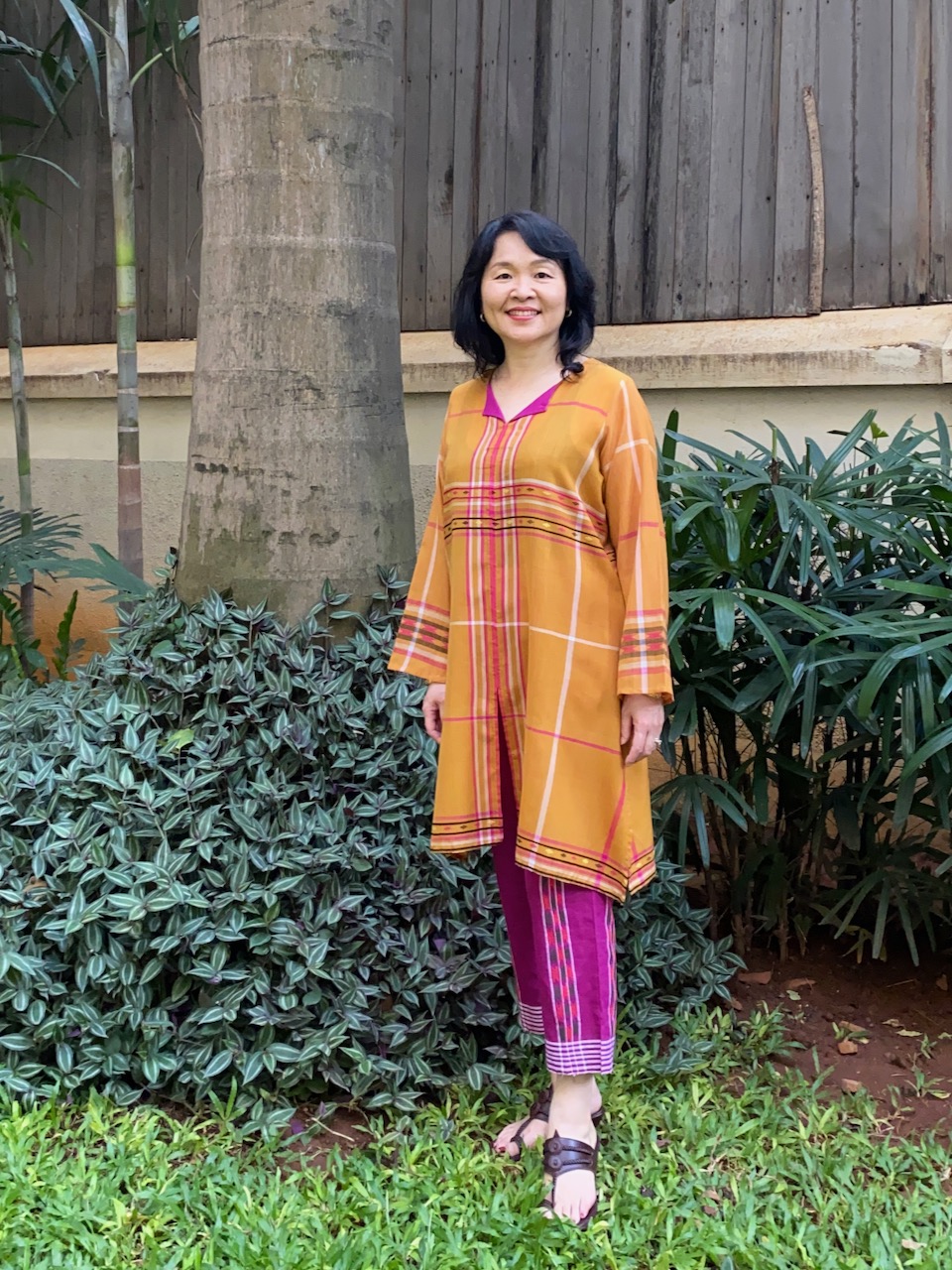
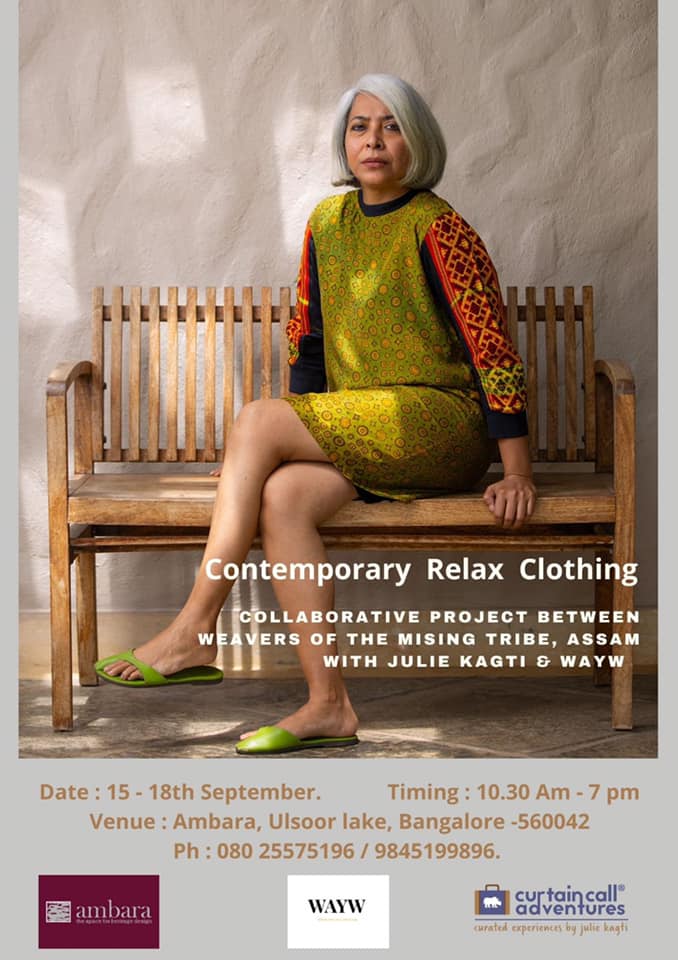
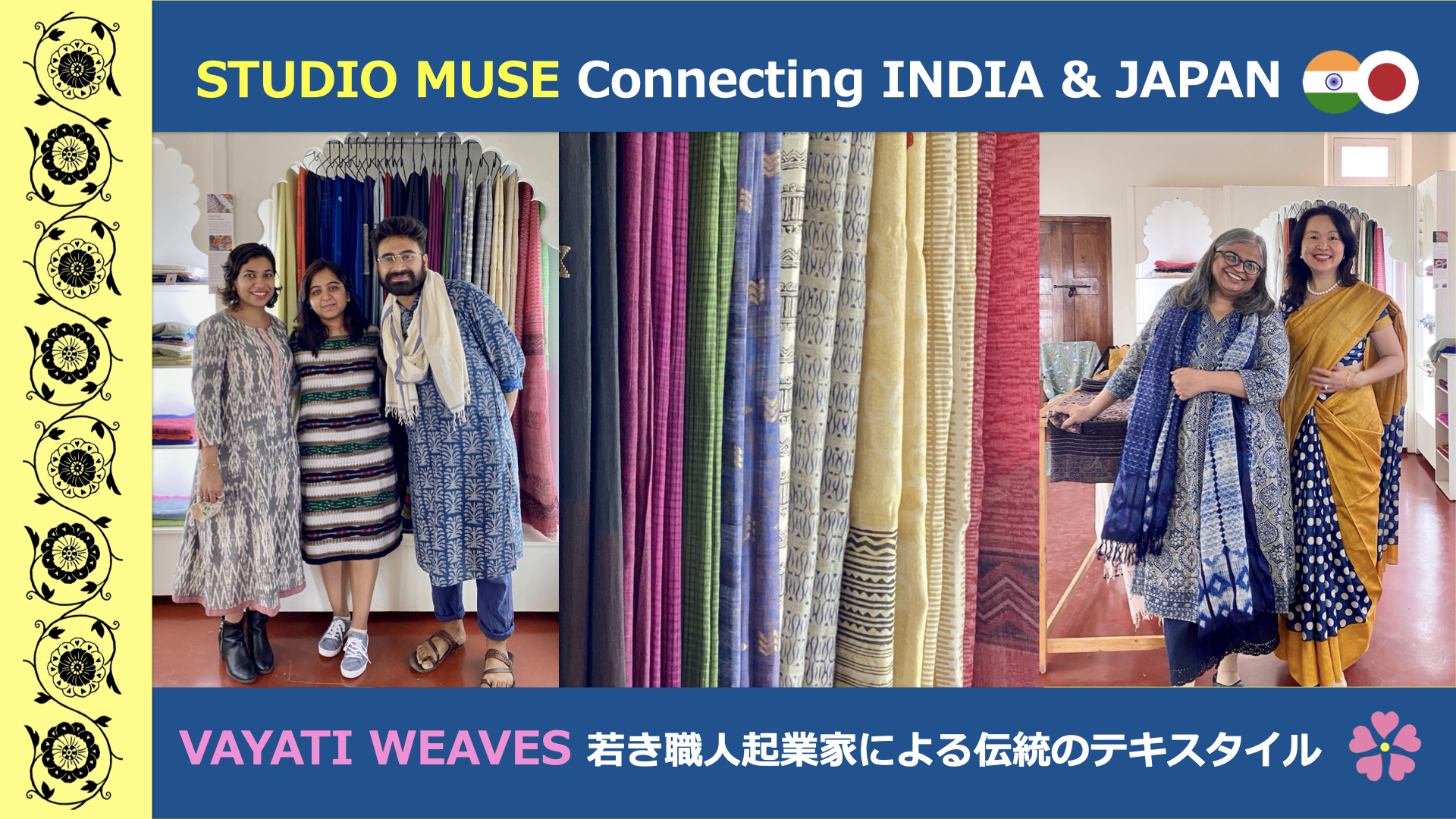
Today, I went to AMBARA again. The other day I visited the VAYATI WEAVES exhibition of traditional textiles by young artisan entrepreneurs.
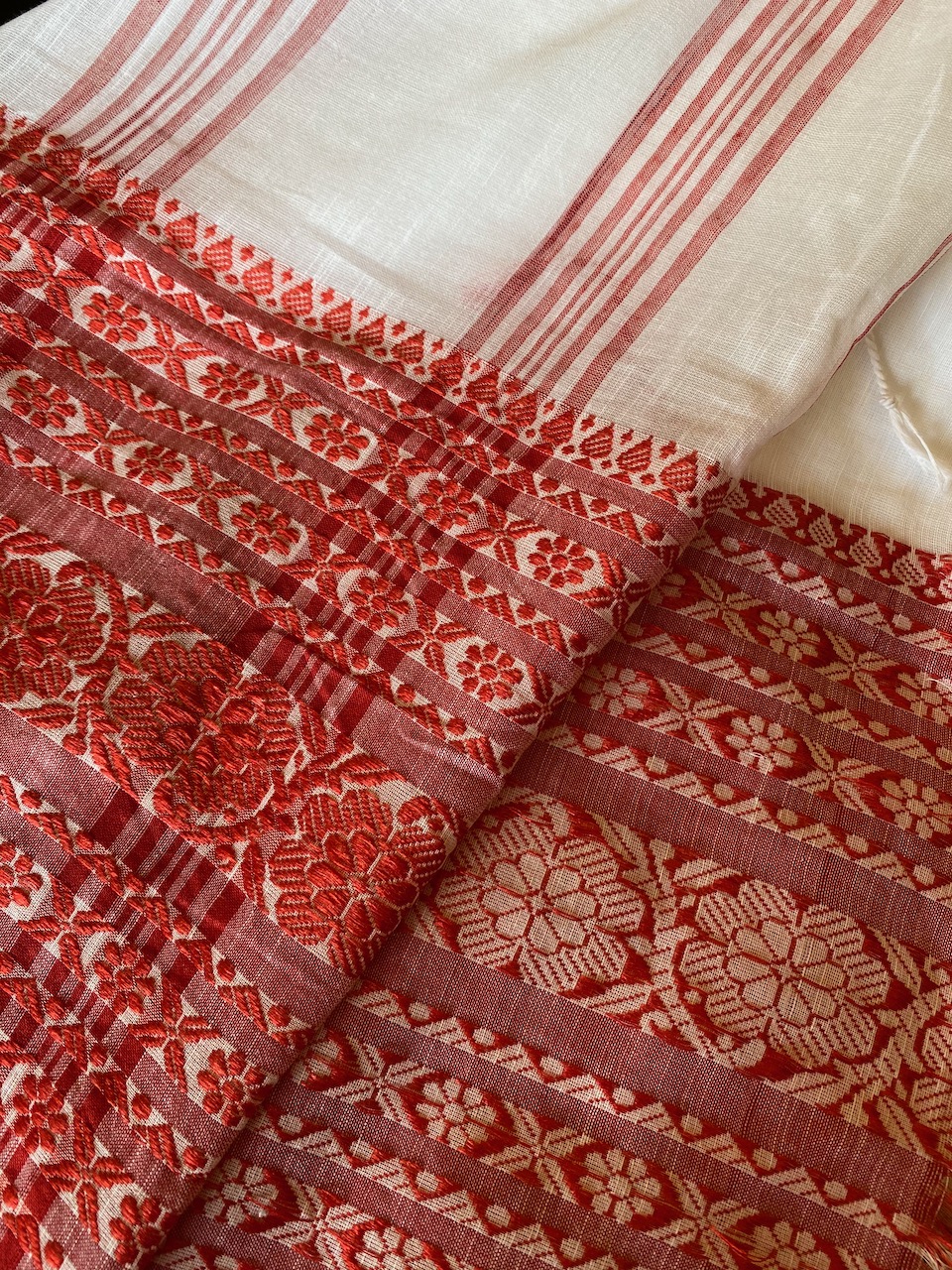
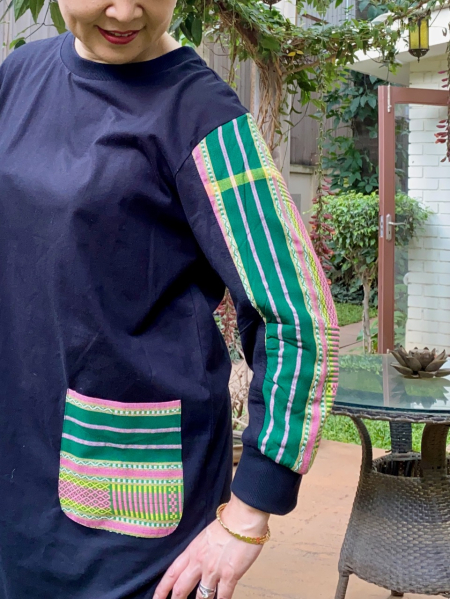
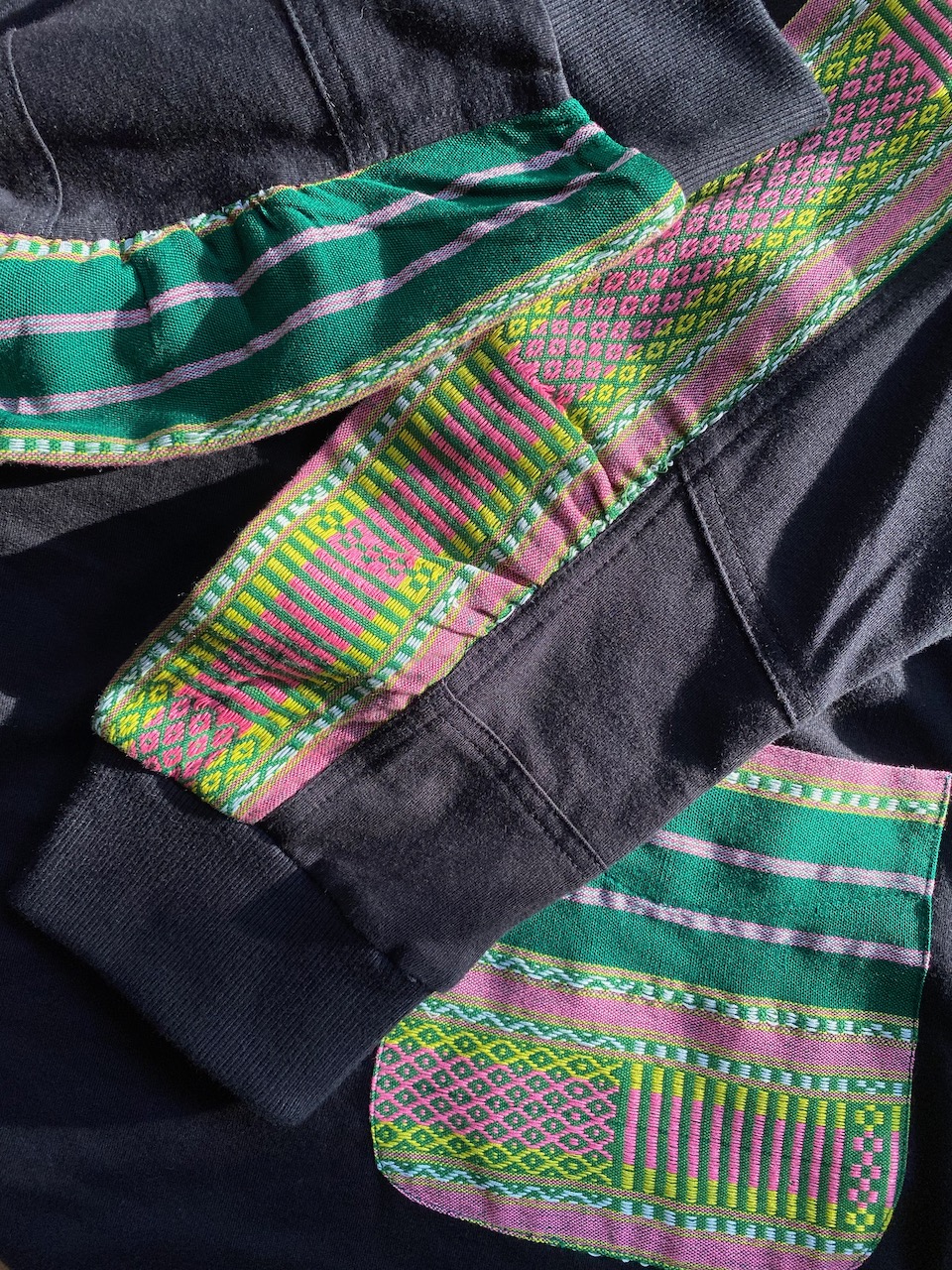
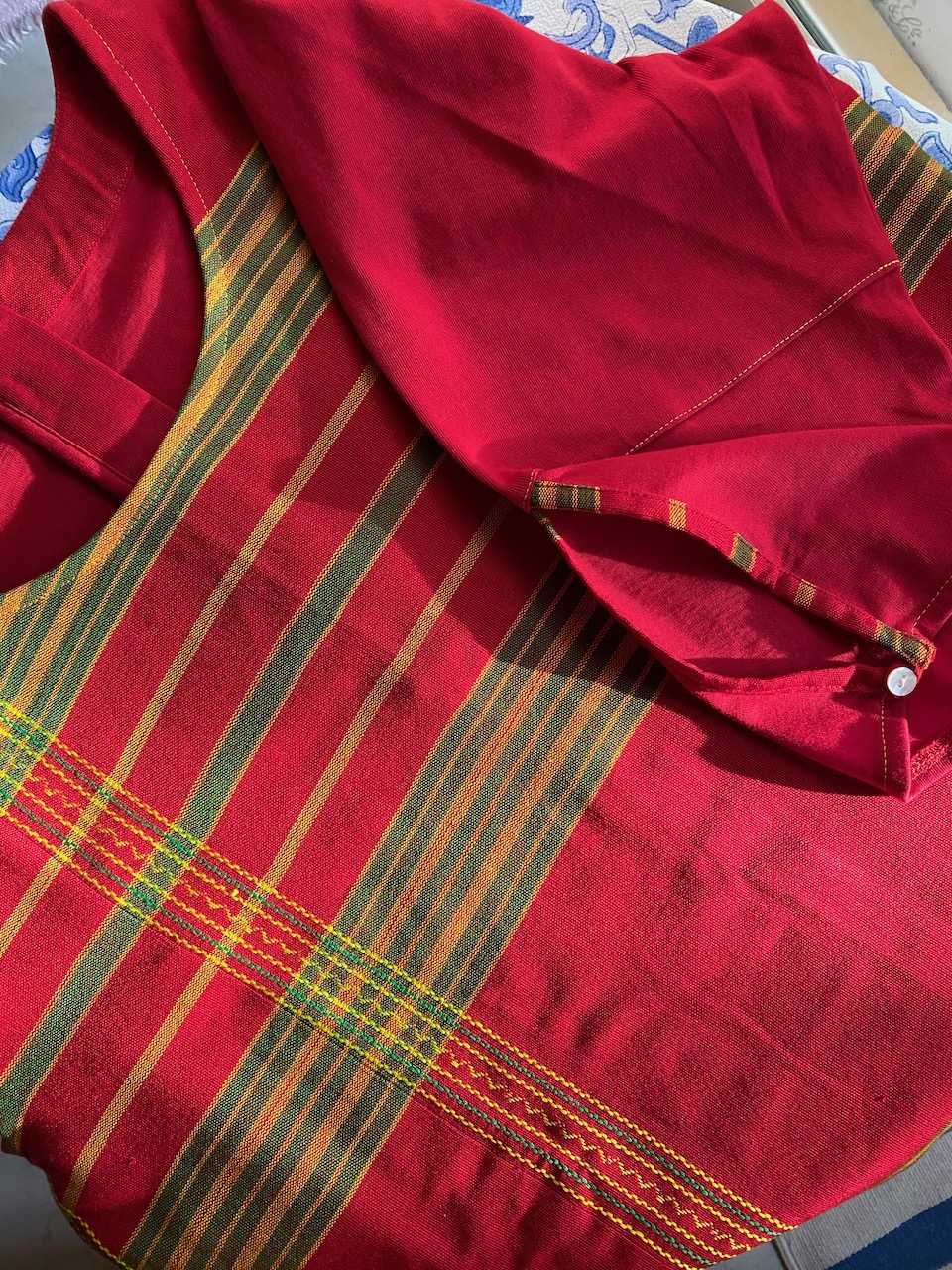
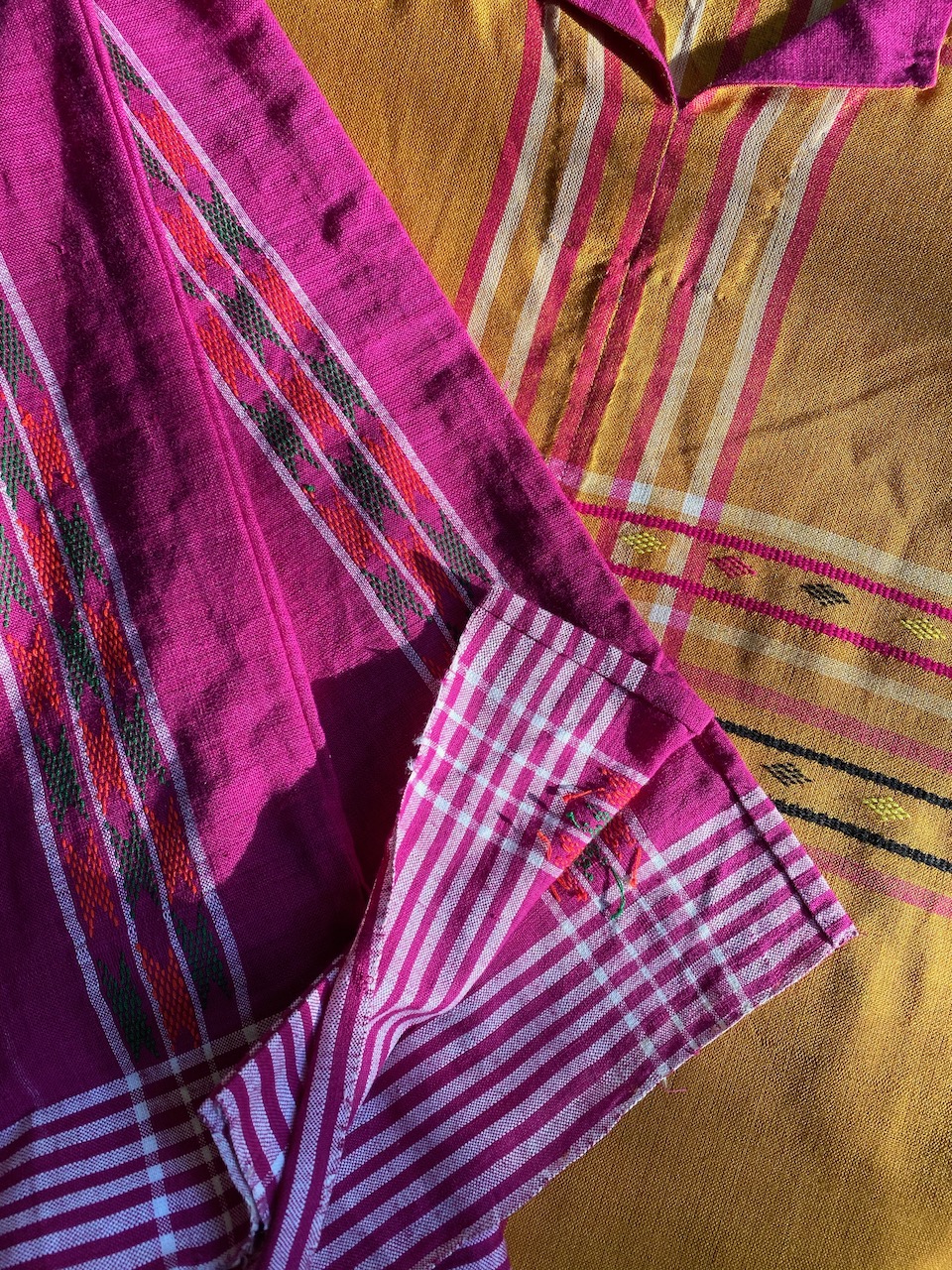
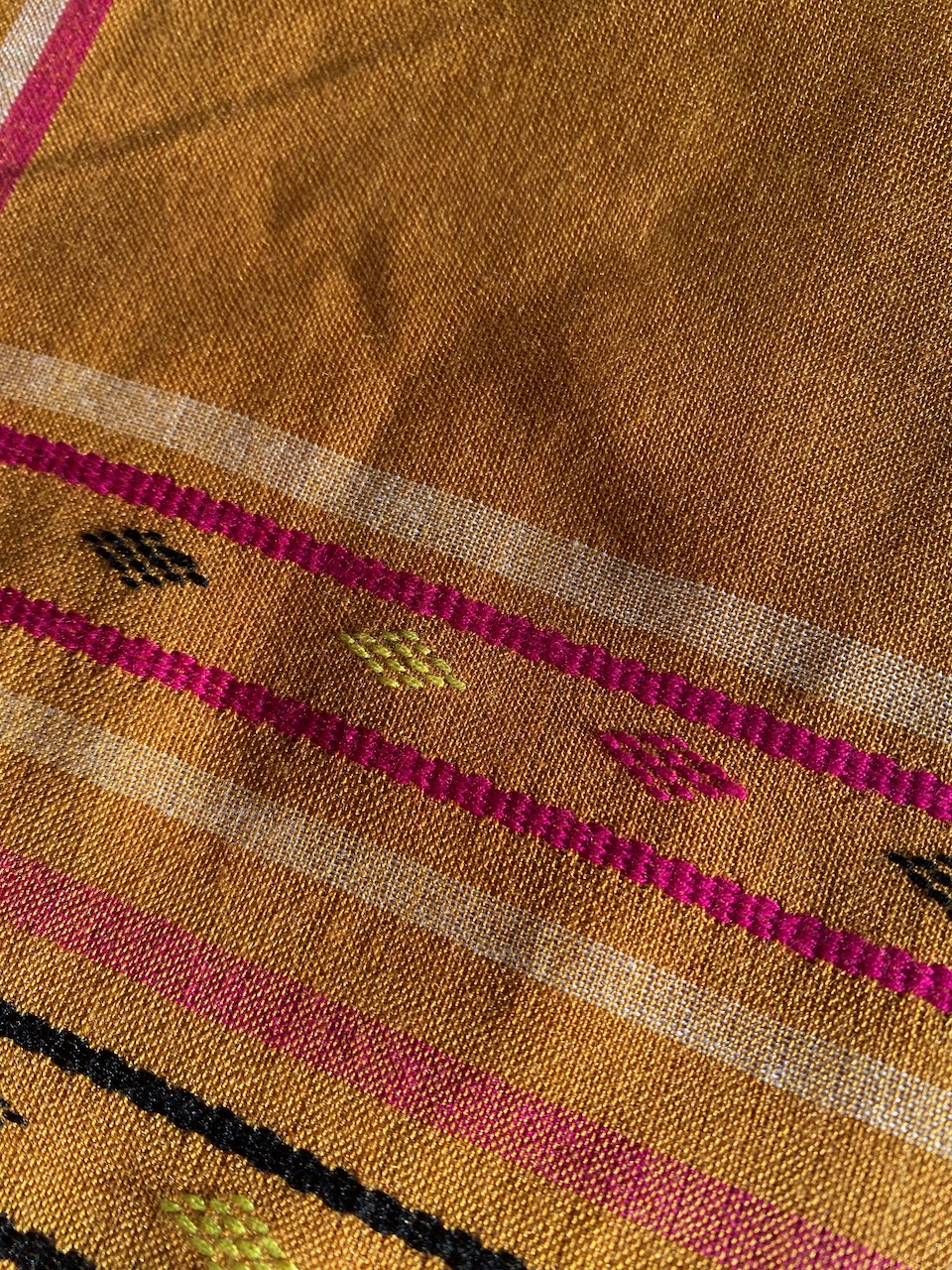
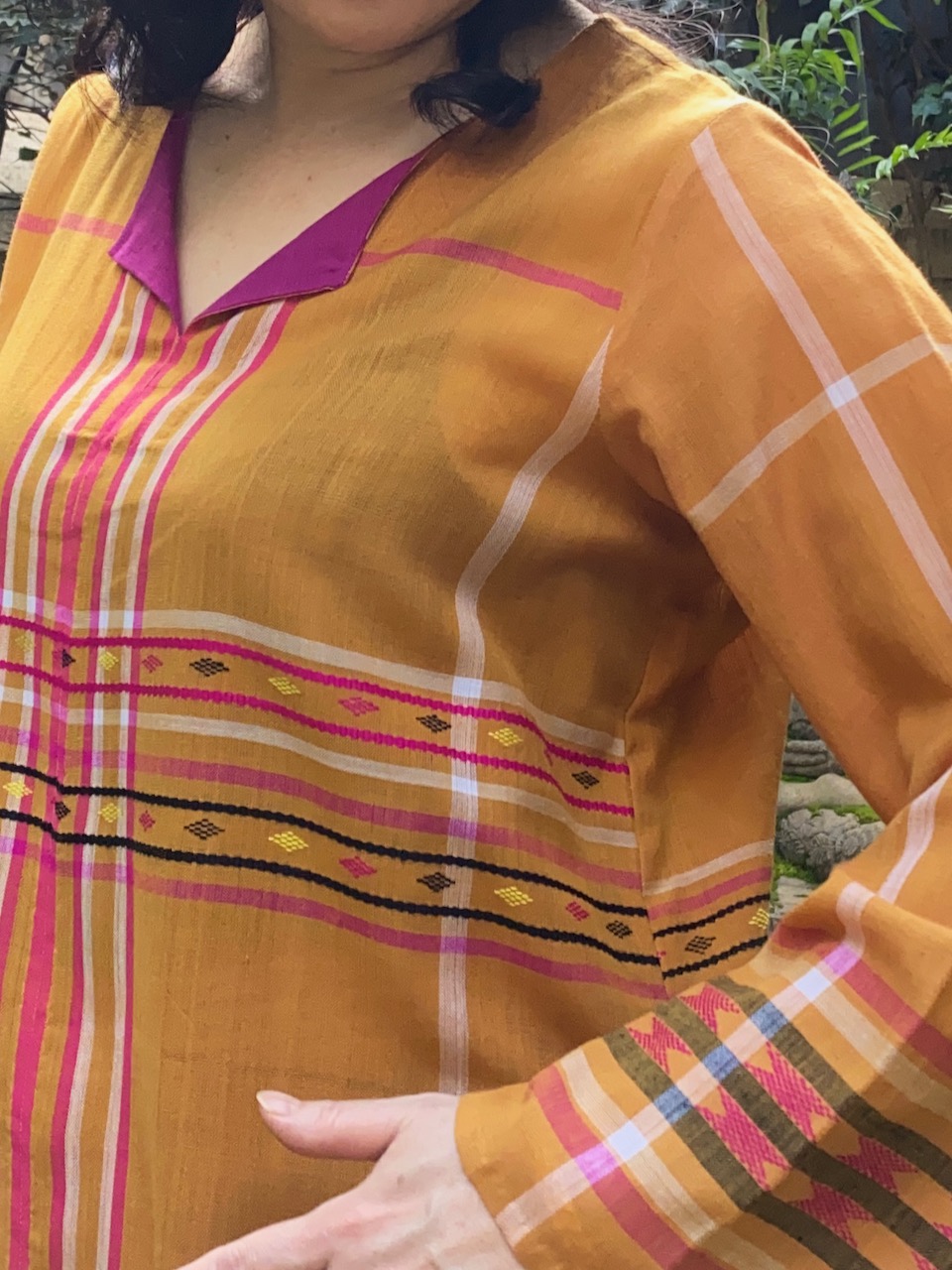
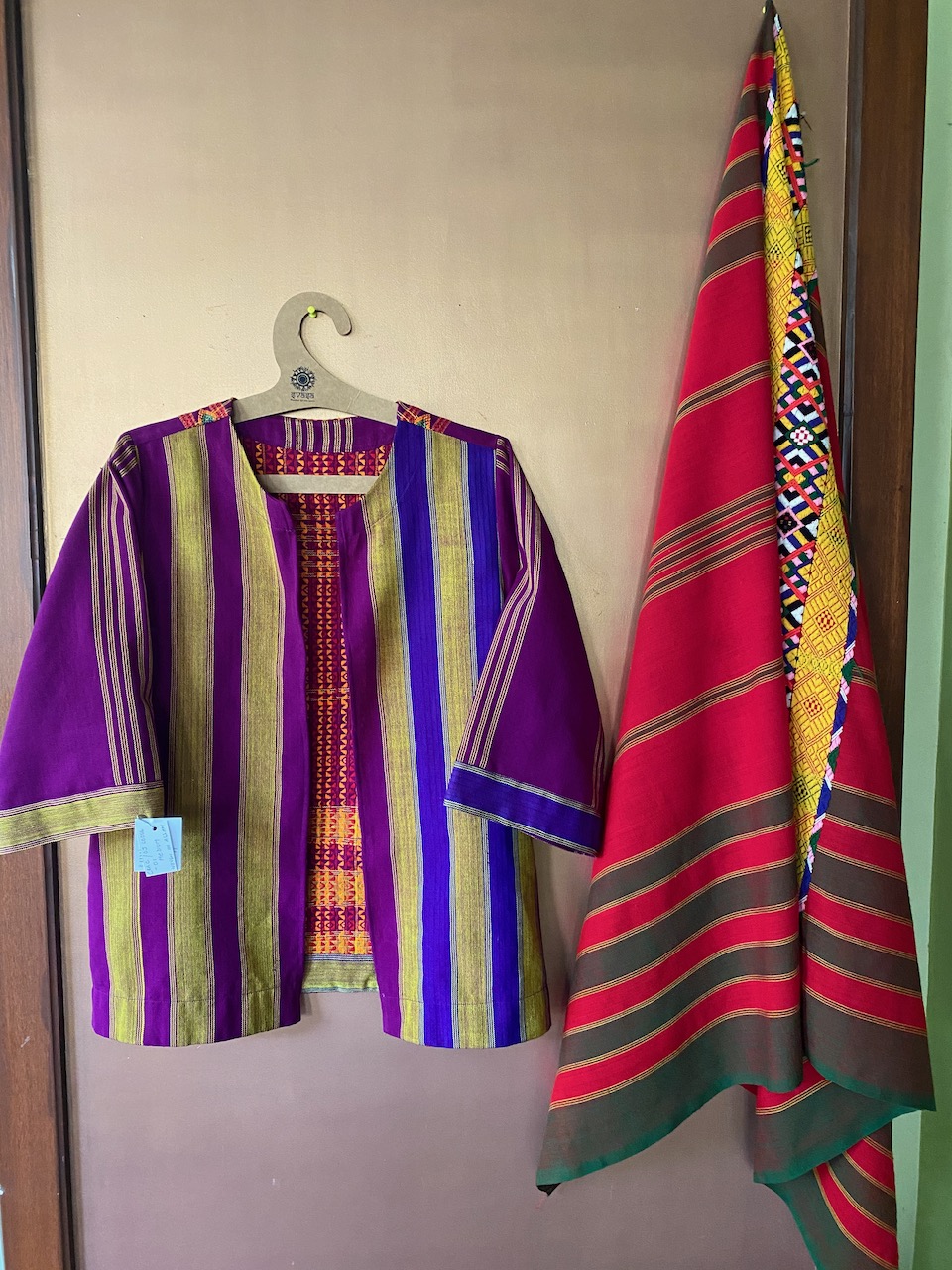
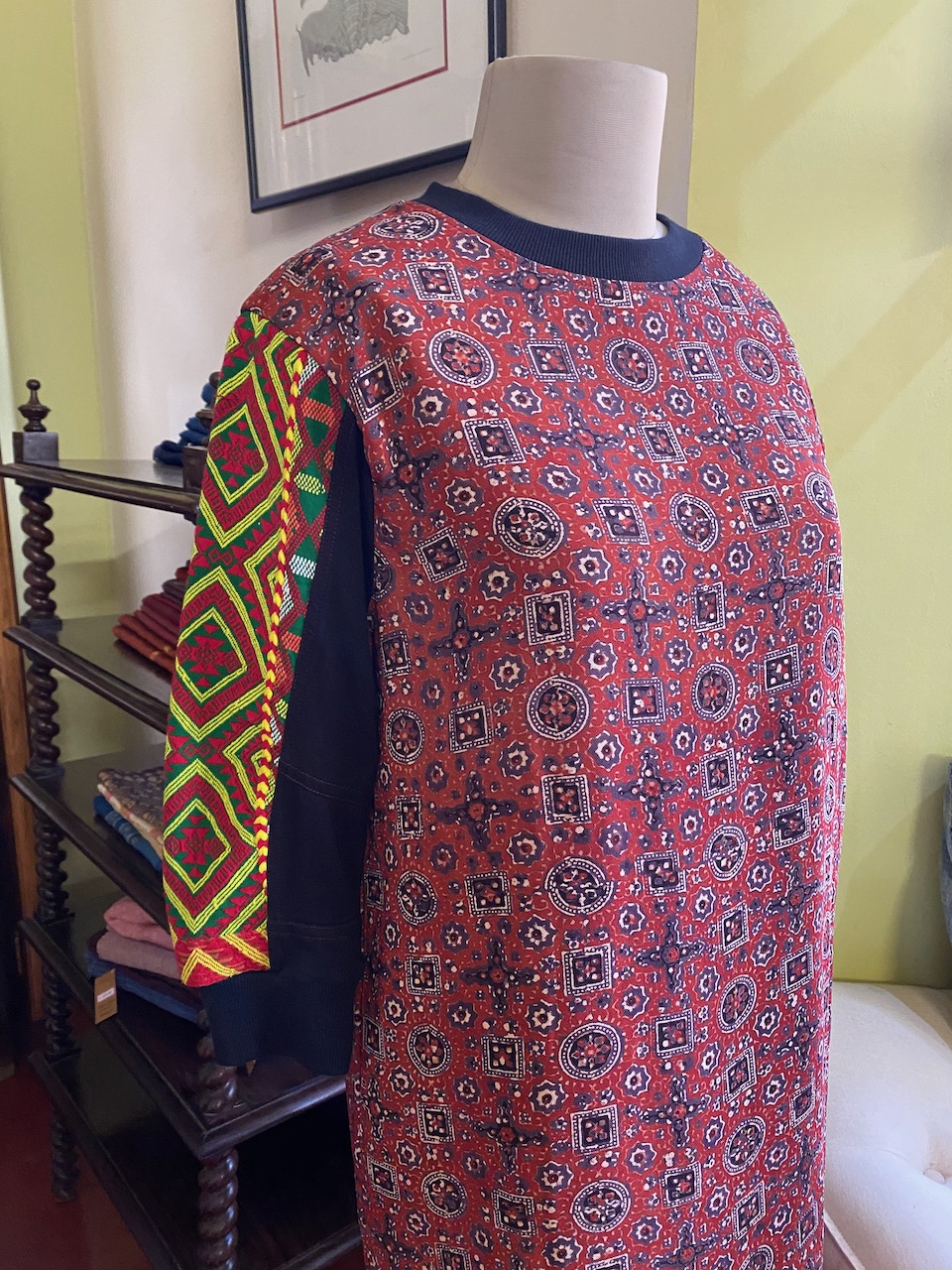
Today there was an exhibition of traditional, colorful woven and embroidered fashions from Assam.
The concept is “The Wardrope Eclectic”, an eclectic blend of old and new fashion, harmonizing the traditional with the new.
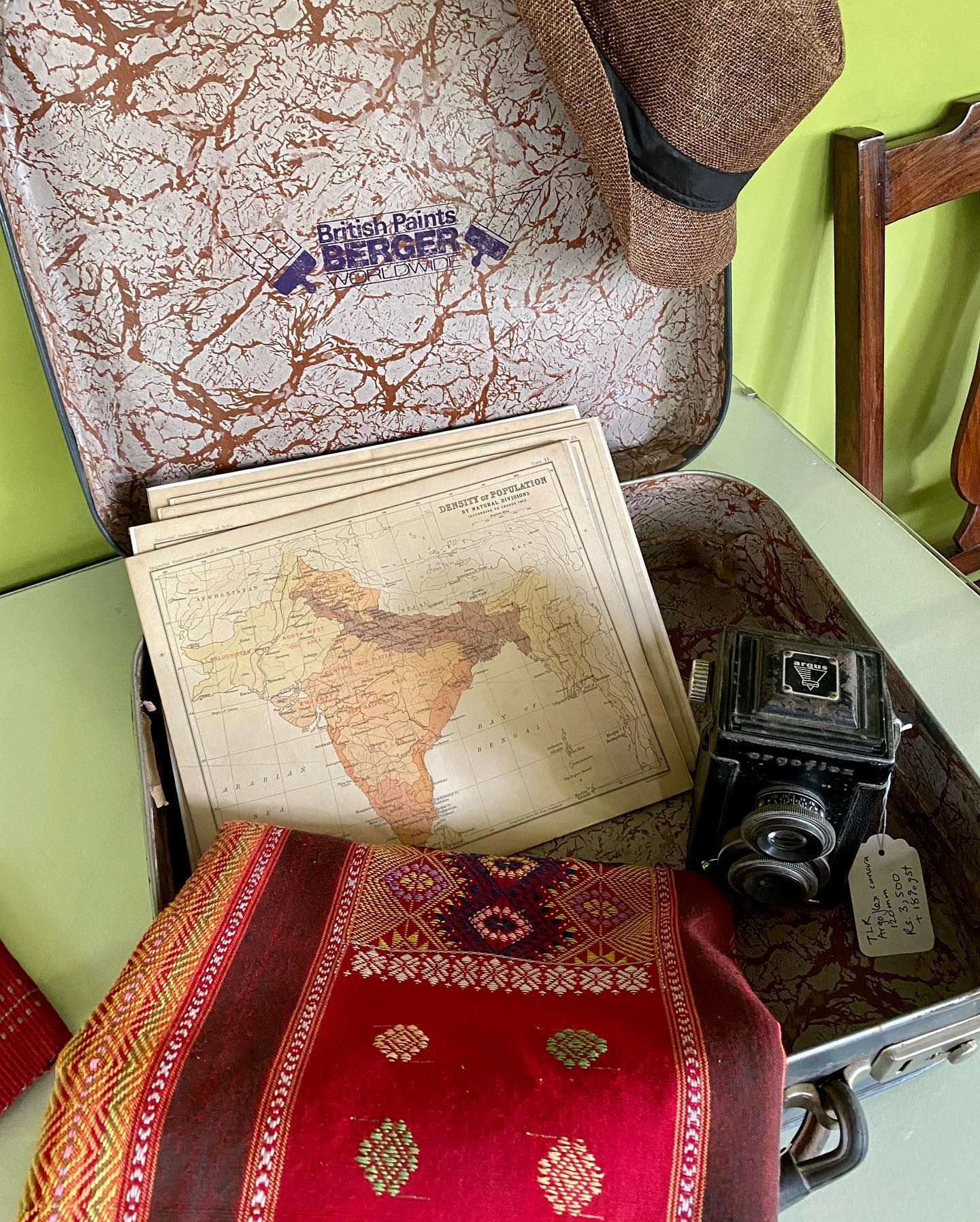
In addition, the collection was based on the theme of travel, with a focus on “natural materials” that are comfortable for travel. This is a point that fascinates me.
Julie, who runs the brand, is from Assam. She is a weaver and a designer herself. In Bangalore, she conducts workshops on handloom weaving. She also organizes travel tours of Northeast India.
I have been saying that I would like to visit Imphal and other states in Northeast India. I had arranged a trip just before the lockdown, but it was cancelled. I will ask her for advice when the trip becomes a reality.
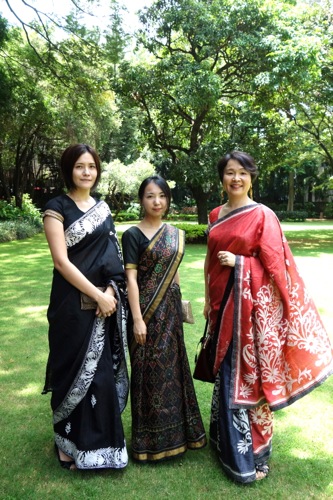
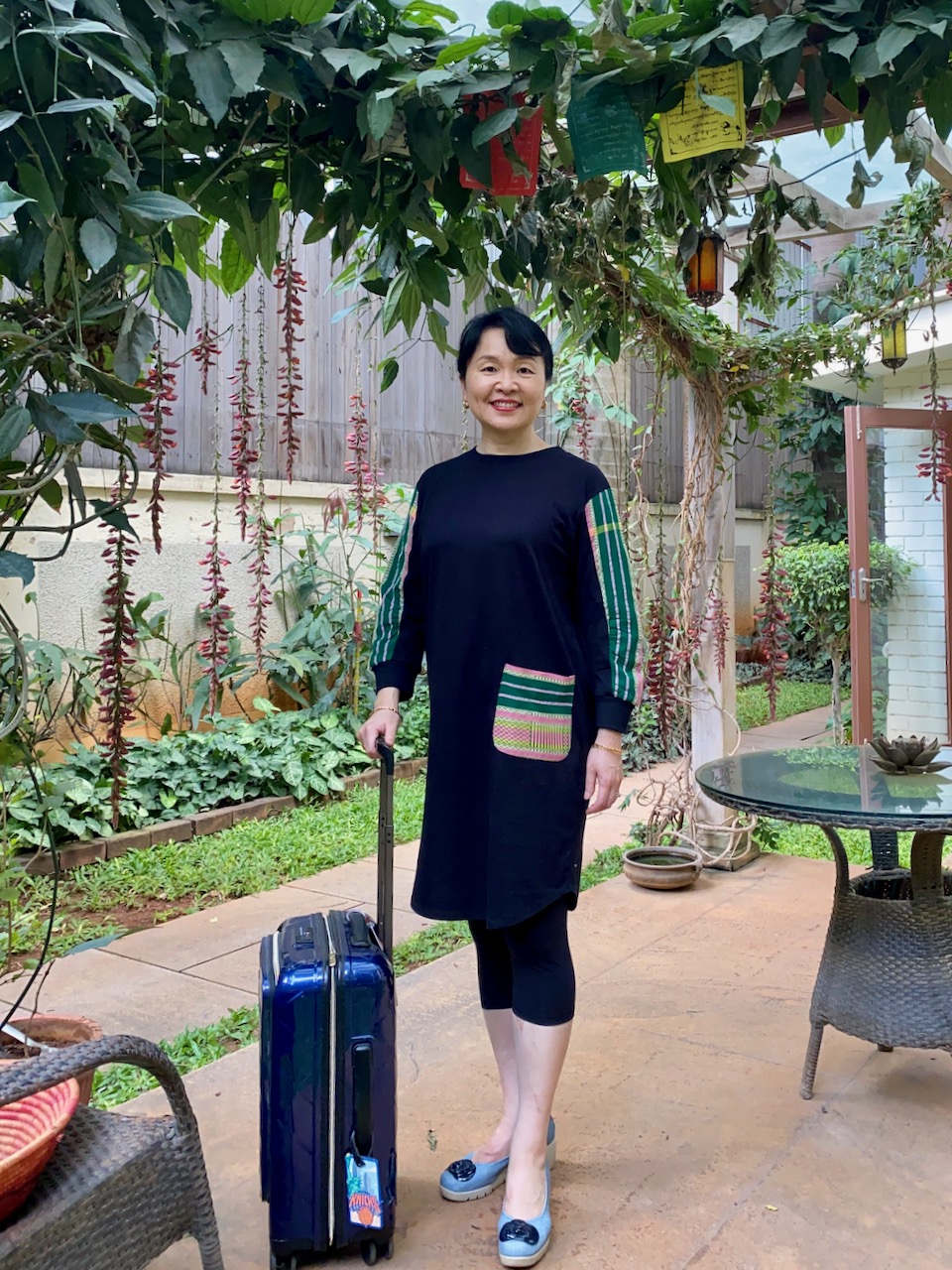
When I got home, I took some pictures in the garden by myself. It was a lot of fun!
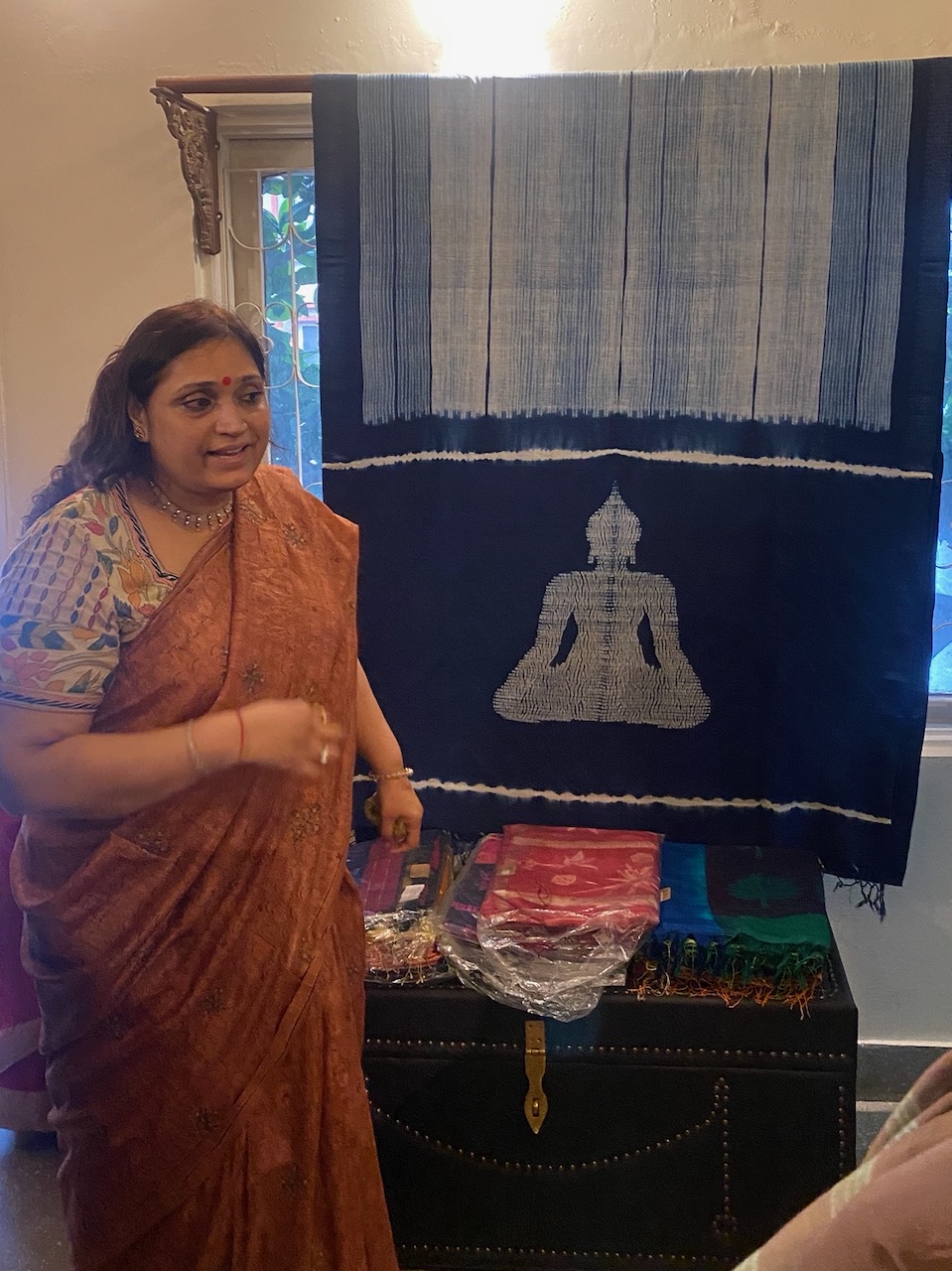
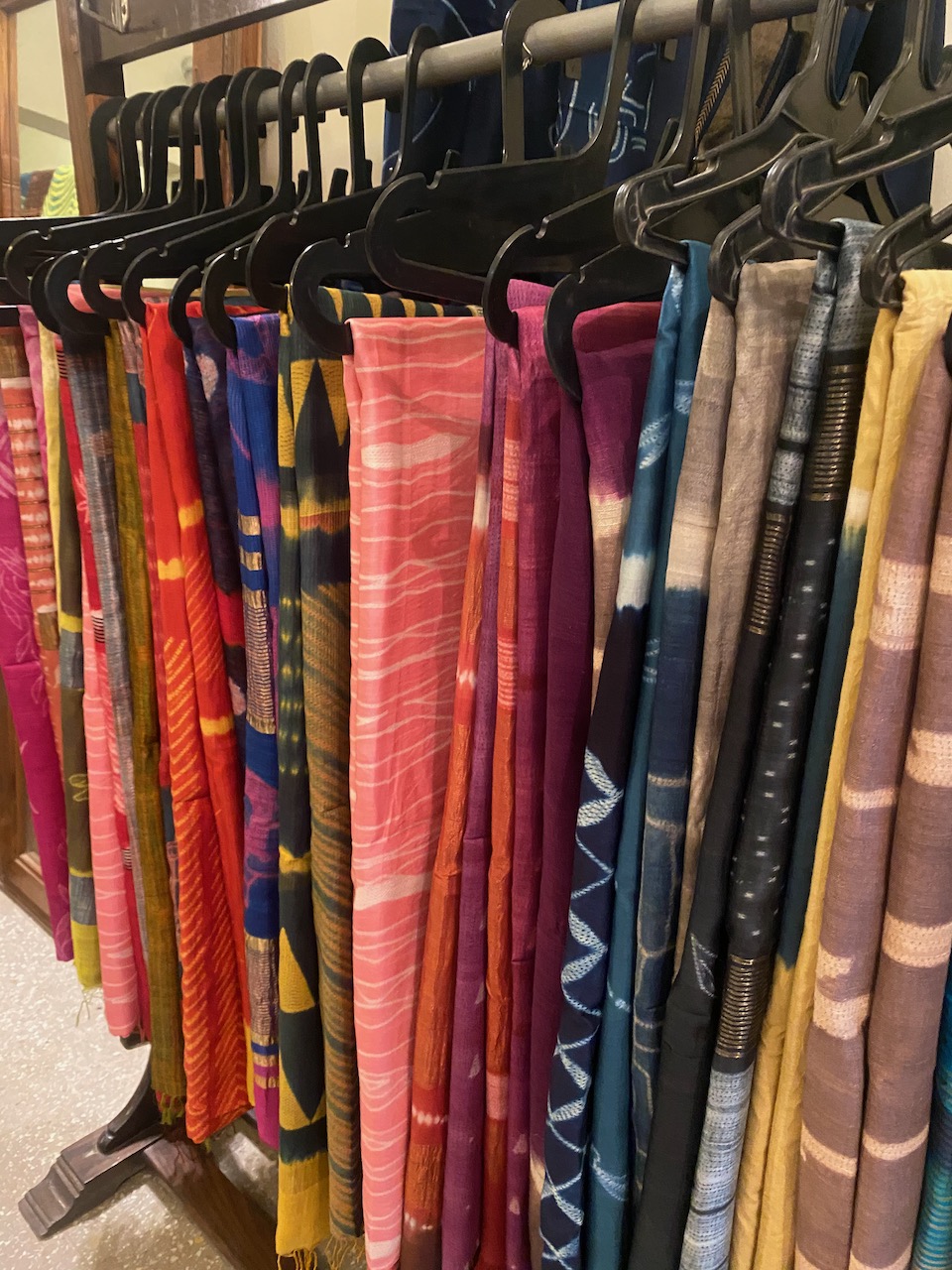
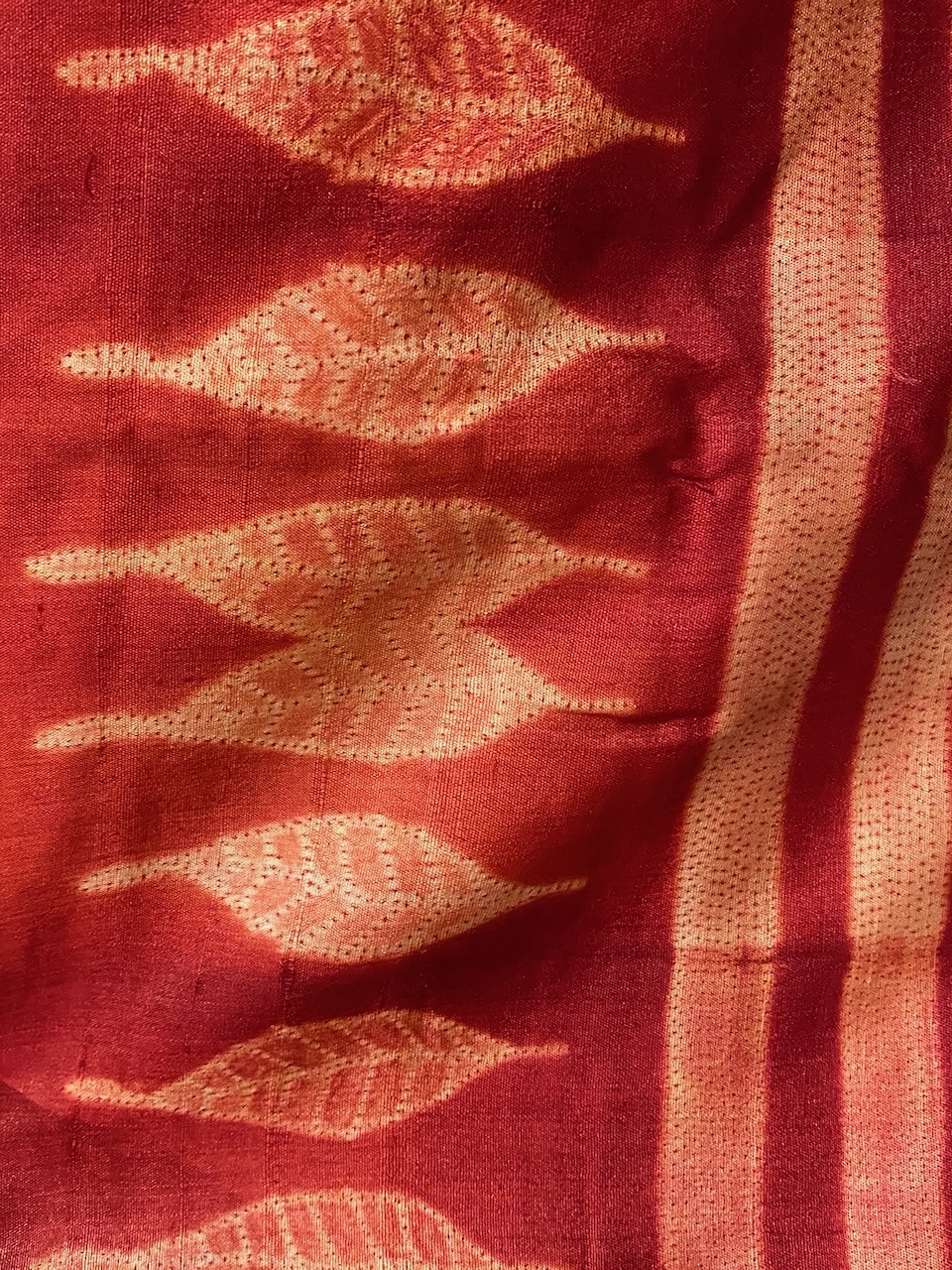
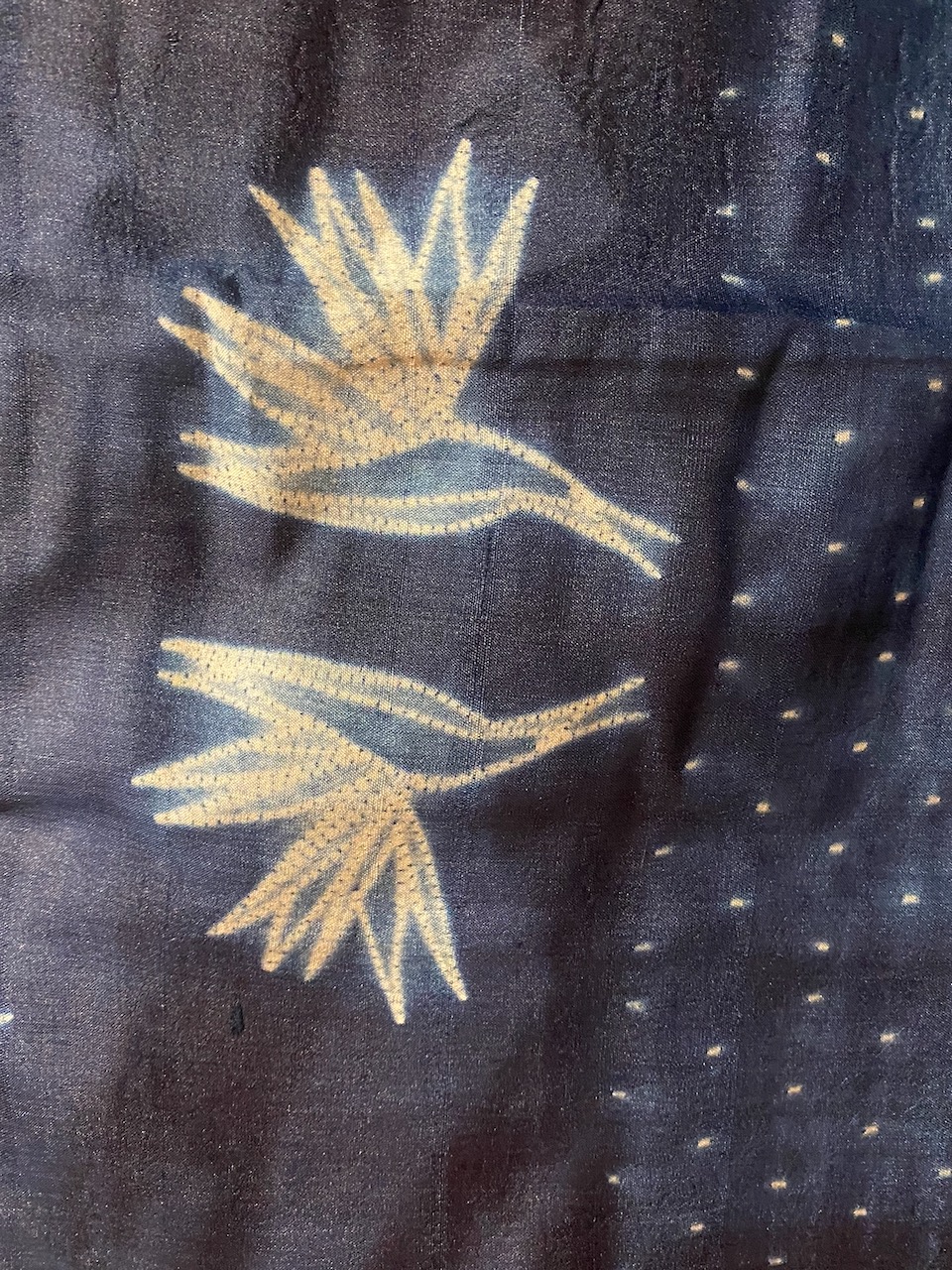
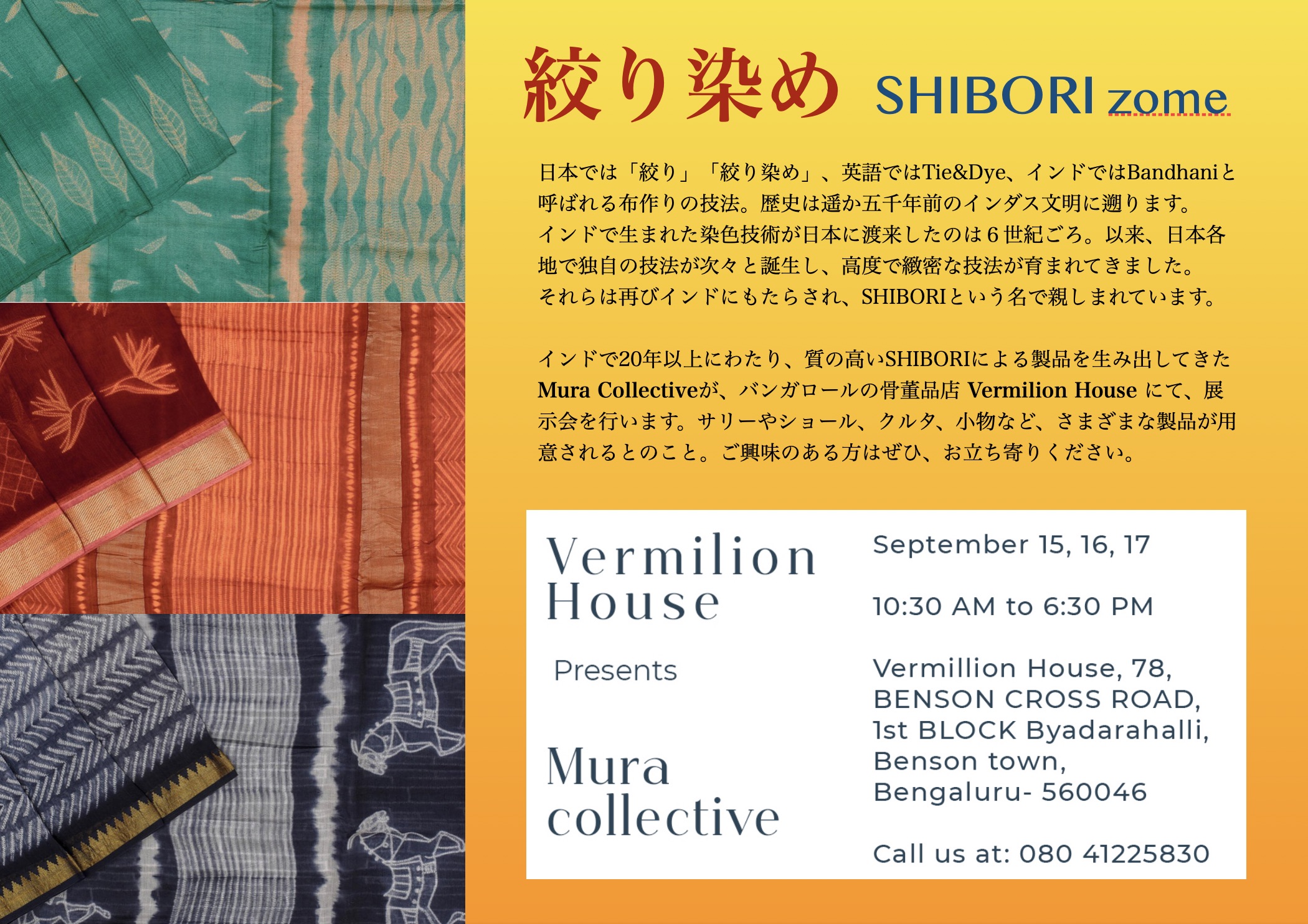
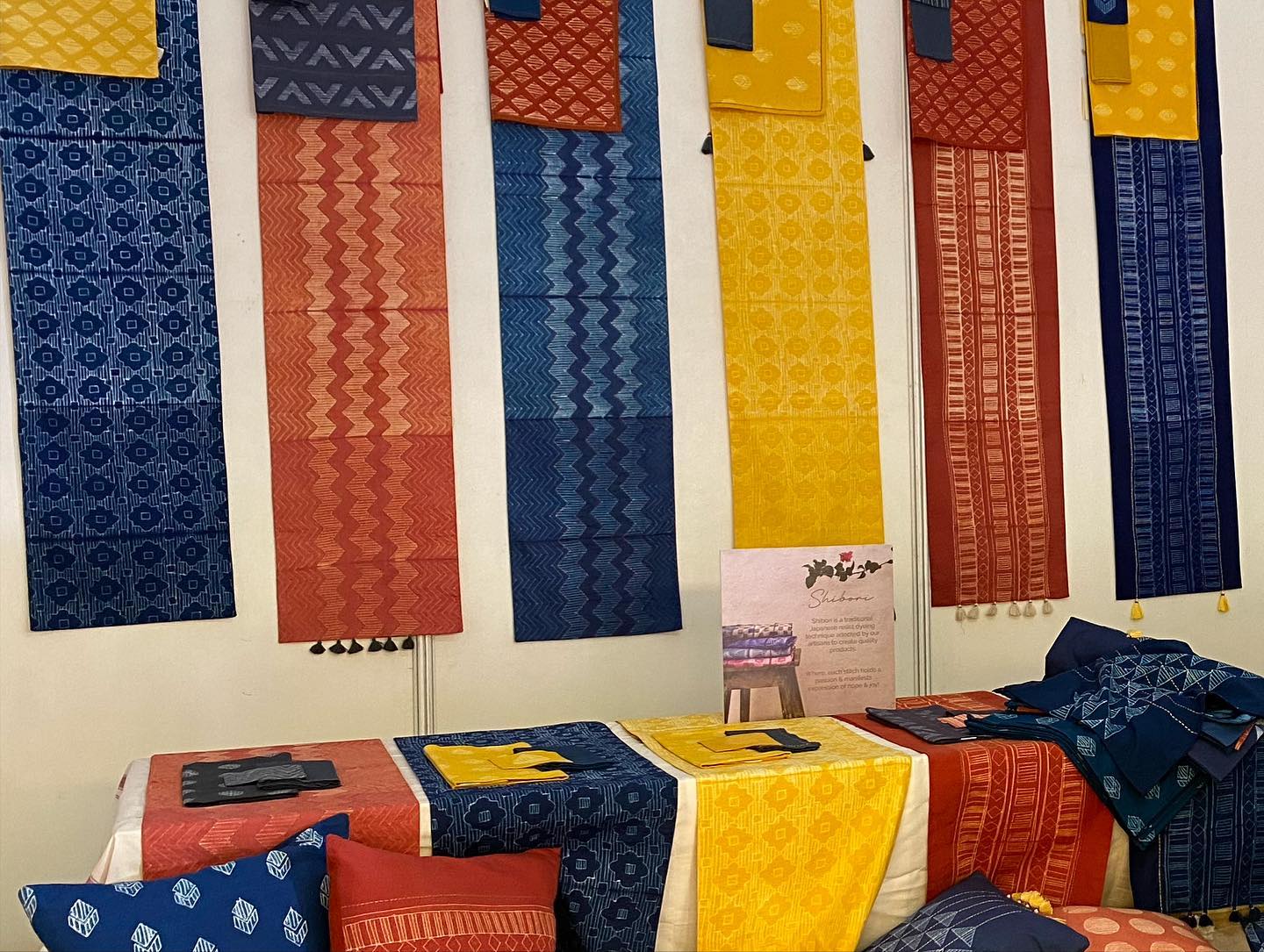
Yesterday, I visited “Vermilion House” in Bangalore. I was invited to the opening ceremony of the exhibition of SHIBORI brand “MURA Collective,” which will be held for three days from today.
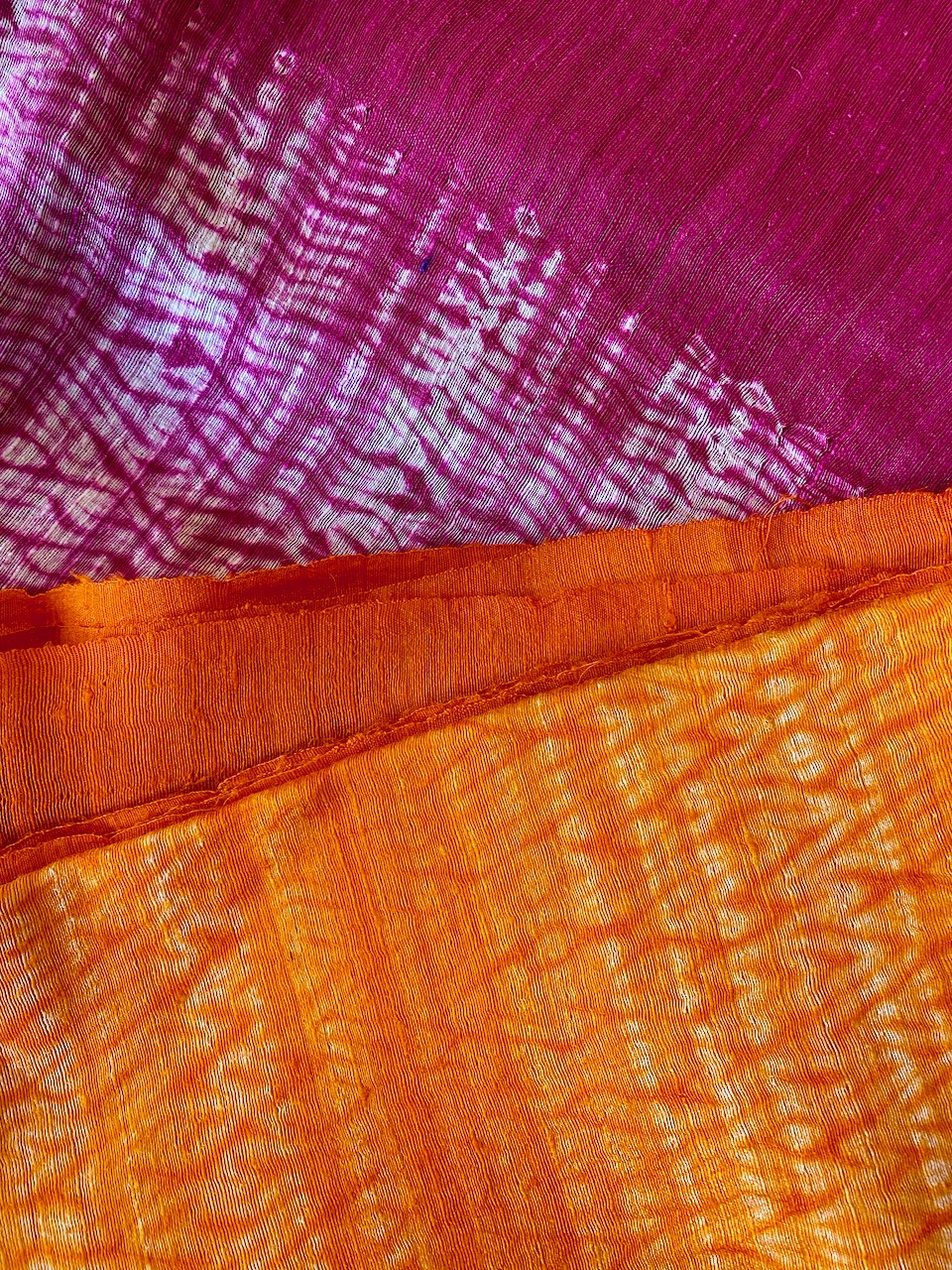
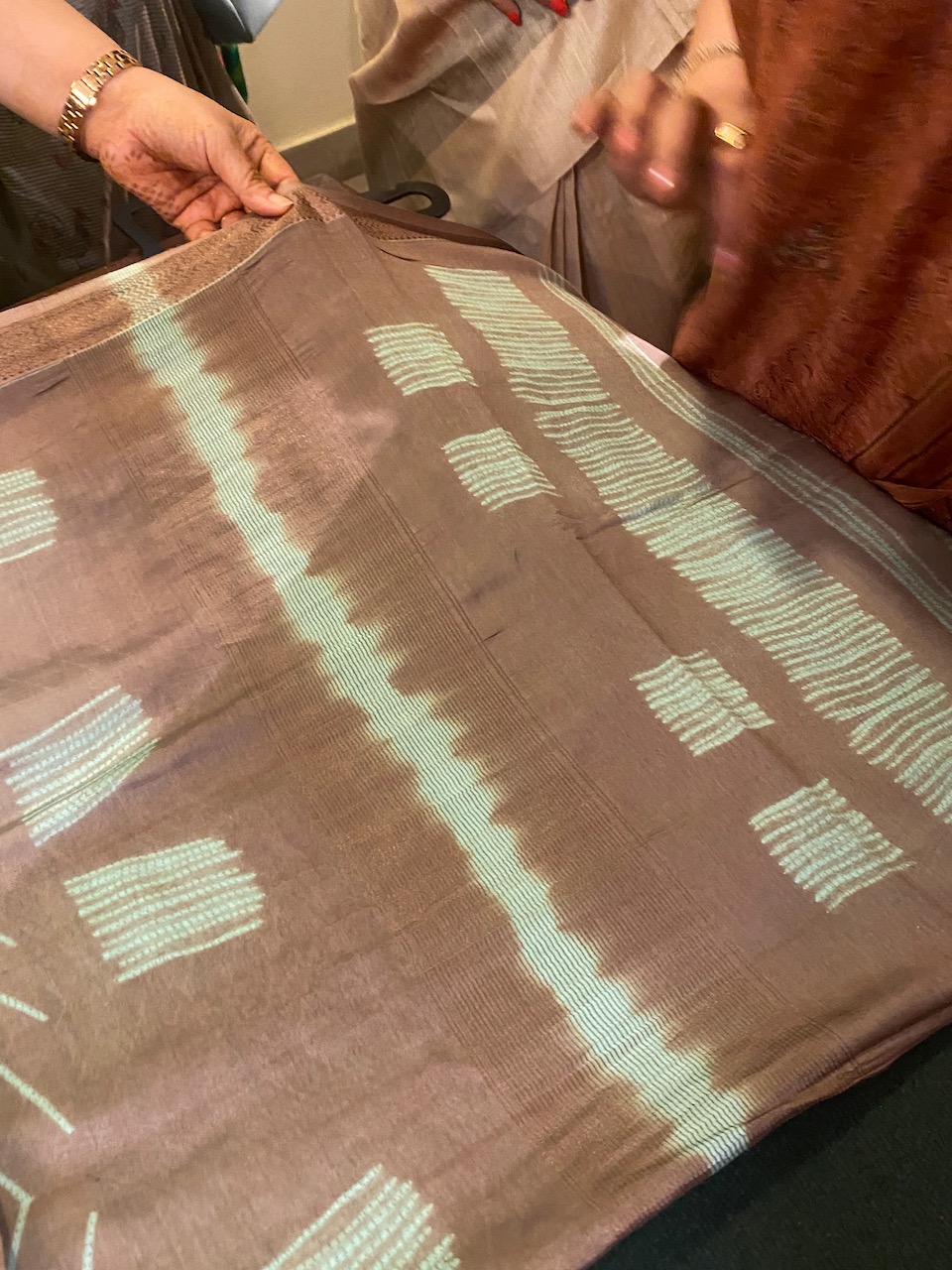
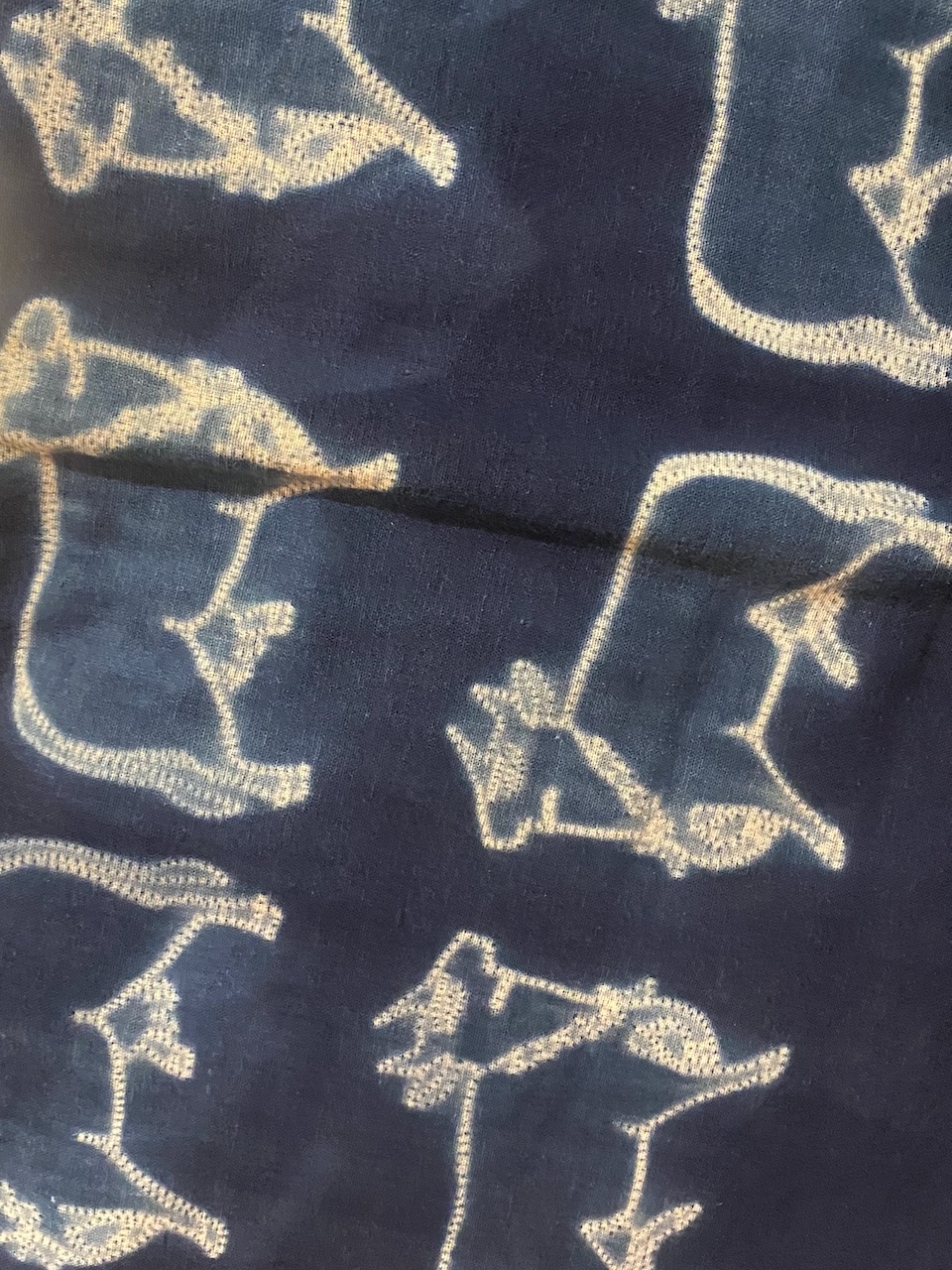
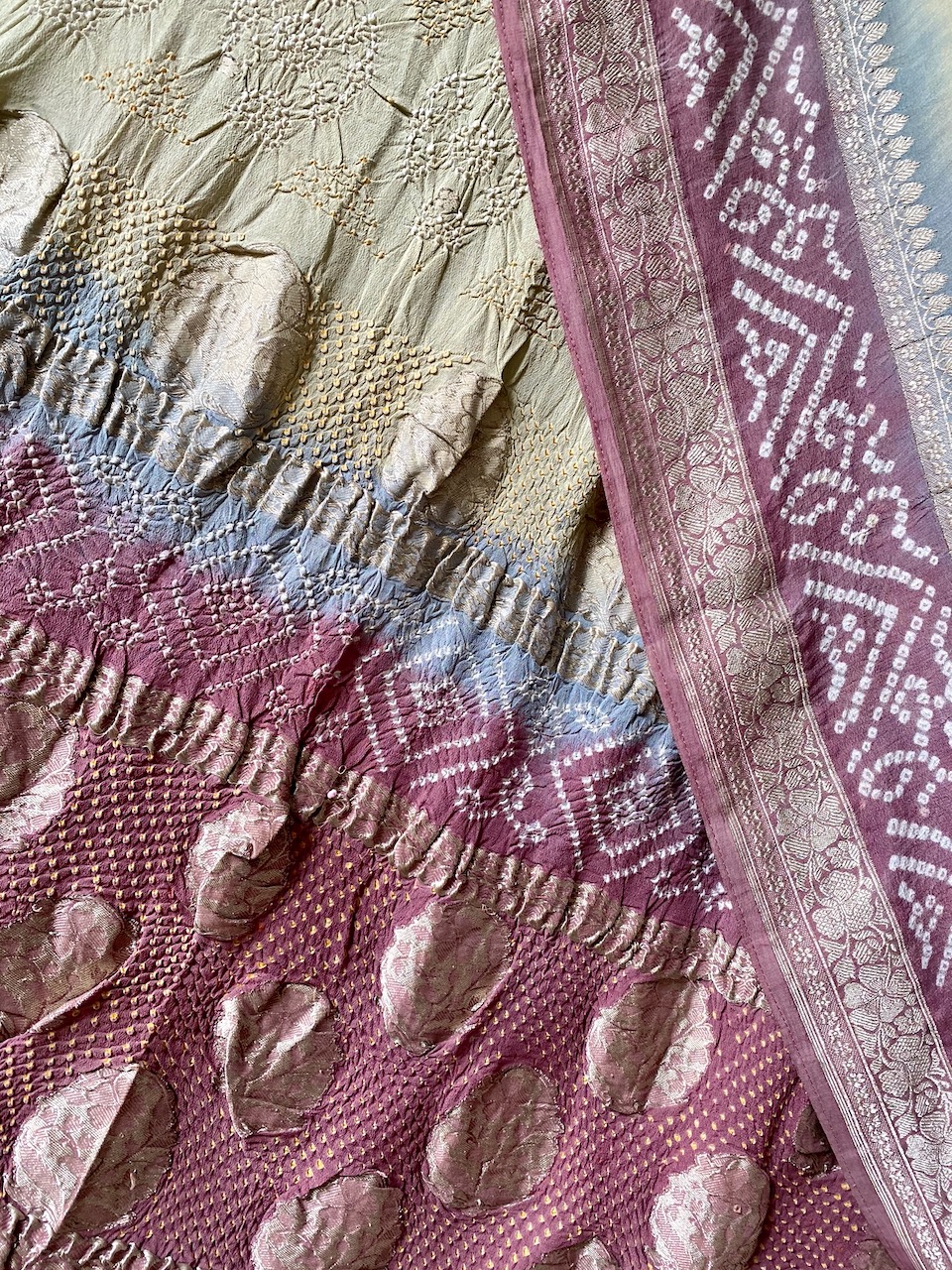
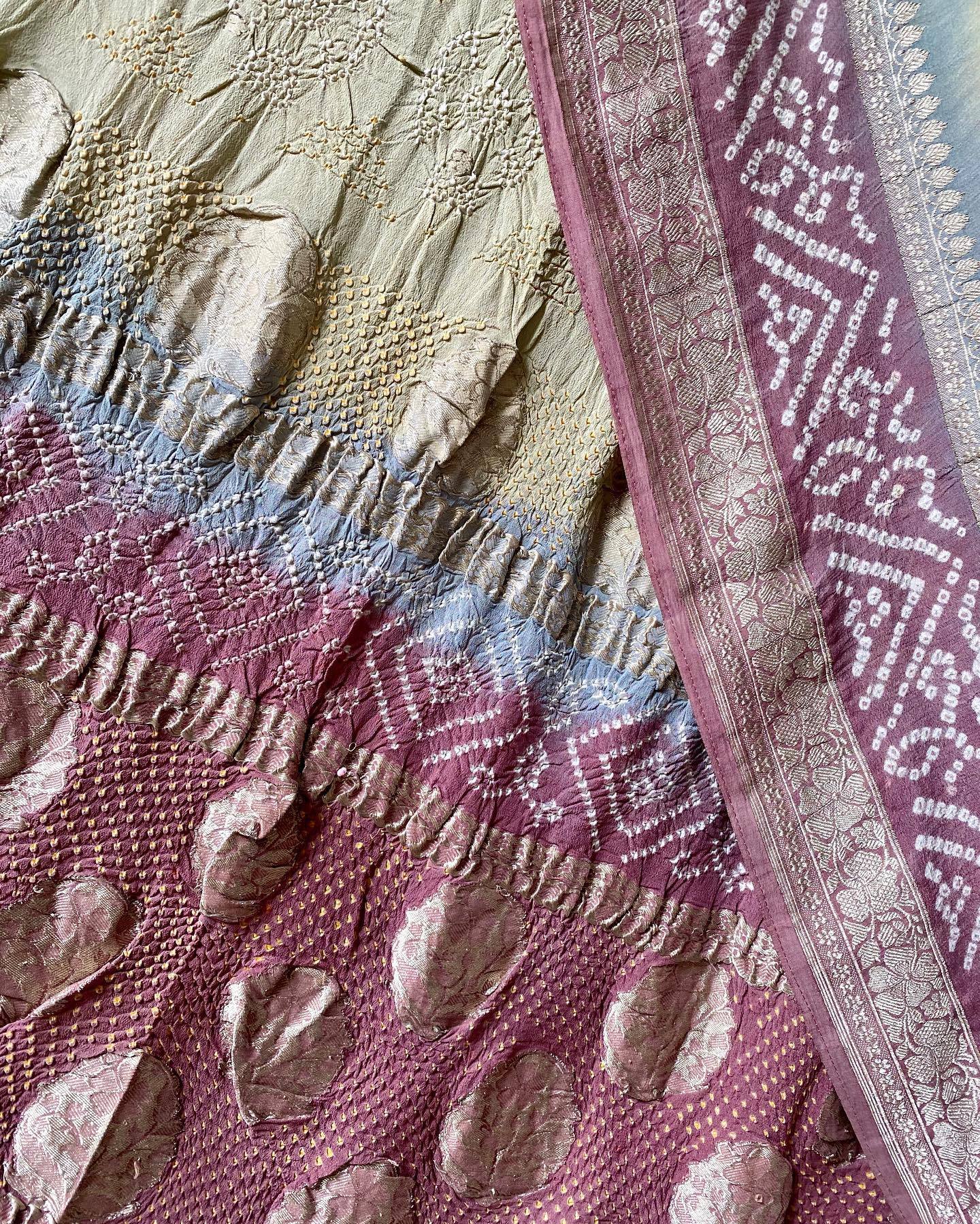
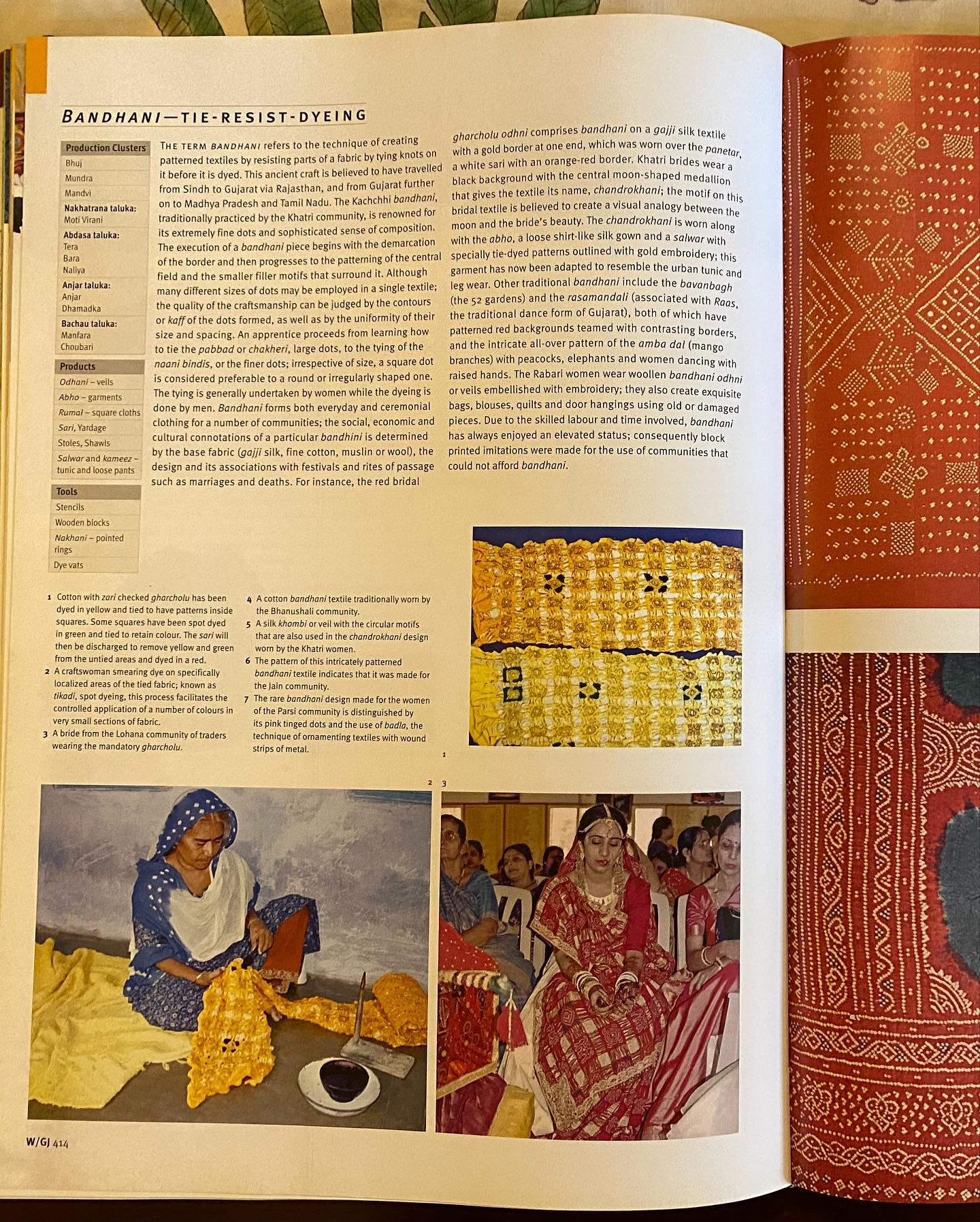
Shibori is a cloth-making technique known as “Tie & Dye” in English, and “Bandhani” in India. The history of this technique dates back to the Indus civilization. The dyeing technique originated in India and came to Japan via the Silk Road around the 7th century. In the Nara period (710-794), various techniques were born one after another in Japan. Among them, Kyoto’s “Kanoko-Shibori,” which reached its peak in the Edo period, is widely known.
It is said that the Shibori technique developed in Japan was brought to India by Rabindranath Tagore. He was a close friend of Kakuzo (Tenshin) Okakura and visited Japan many times. His passion for the revival of traditional arts and the survival of handicrafts has been inherited, and in 1997, the 2nd International Shibori Symposium was held in Ahmedabad in 1997.
1998年に創業以来、質の高いSHIBORIの製品を生み出しているMURA。花や木々などの自然、鳥や牛などの動物、仏陀やガネーシャ、寺院といった歴史遺産などモチーフ多彩なは多彩。高度な技術を駆使して、布の上に独特の世界を表現している。天然の染料で染め上げられたサリーやストール、クルタは、やさしく身を包む。その慈愛に満ちたSHIBORI製品は、UNESCOの「優良手工芸品賞(Seal of Excellence for Handicraft Products)」を過去4回も受賞している。
Since its establishment in 1998, MURA has been producing high quality SHIBORI products, expressing a unique world on cloth using a variety of techniques with motifs of nature such as flowers and trees, animals such as birds and cows, and historical heritage such as Buddha, Ganesha, and temples. The sarees, stoles, and kurtas dyed with natural dyes. Mura has been awarded the Unesco Seal of Excellence 4 times.
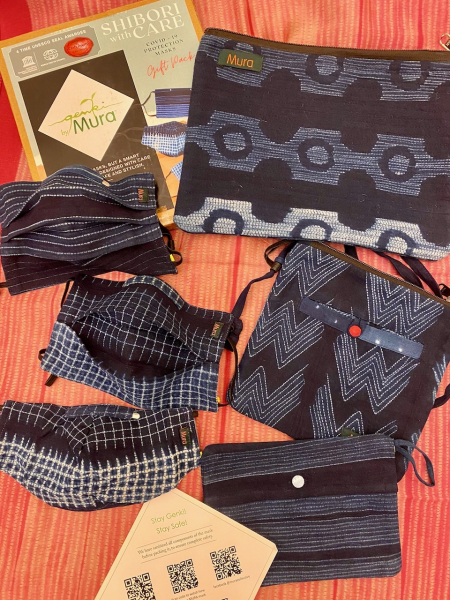
日本語の「村」を意味しているのであろうMURAはまた、地方農村の経済的に困窮している職人たちの支援も行う。COVID-19パンデミックにより、益々、苦境を強いられる中、独自のマスクセット「GENKI by MURA」を販売。職人たちを解雇することなく、活路を模索しているという。わたしは特別ゲストということで、ギフトとしてストールやポーチなどと共にいただいた。非常に使い心地がよく、うれしい。
MURA, which probably means “village” in Japanese, also supports economically disadvantaged artisans in rural areas, selling its own mask sets, “GENKI by MURA,” in the face of the increasing hardships caused by the COVID-19 pandemic. They are trying to find a way to make a living without laying off the artisans. (GENKI means health, vitality, and full of life in Japanese.)As a special guest, I was given this as a gift. It is very comfortable to use.😊
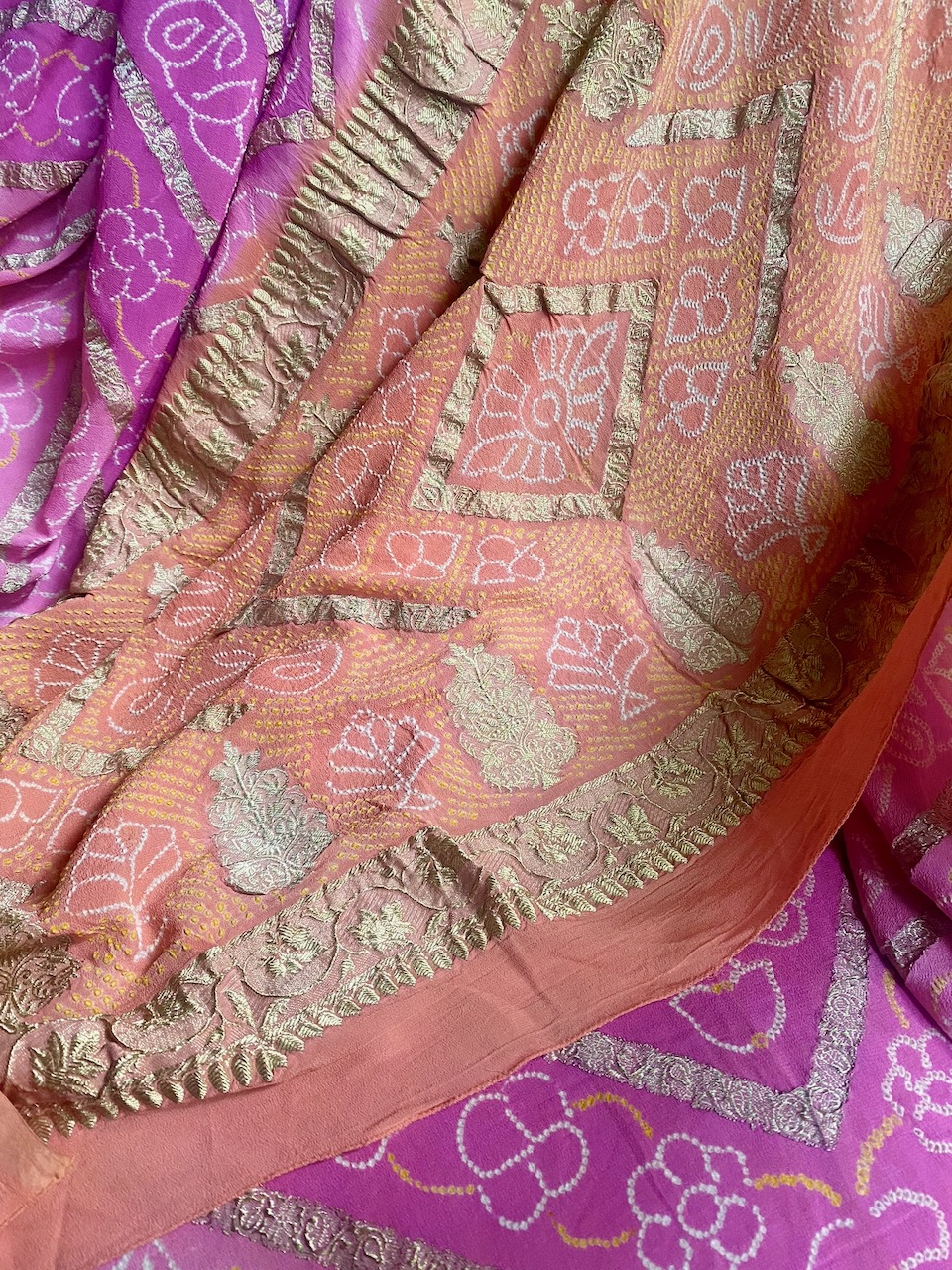
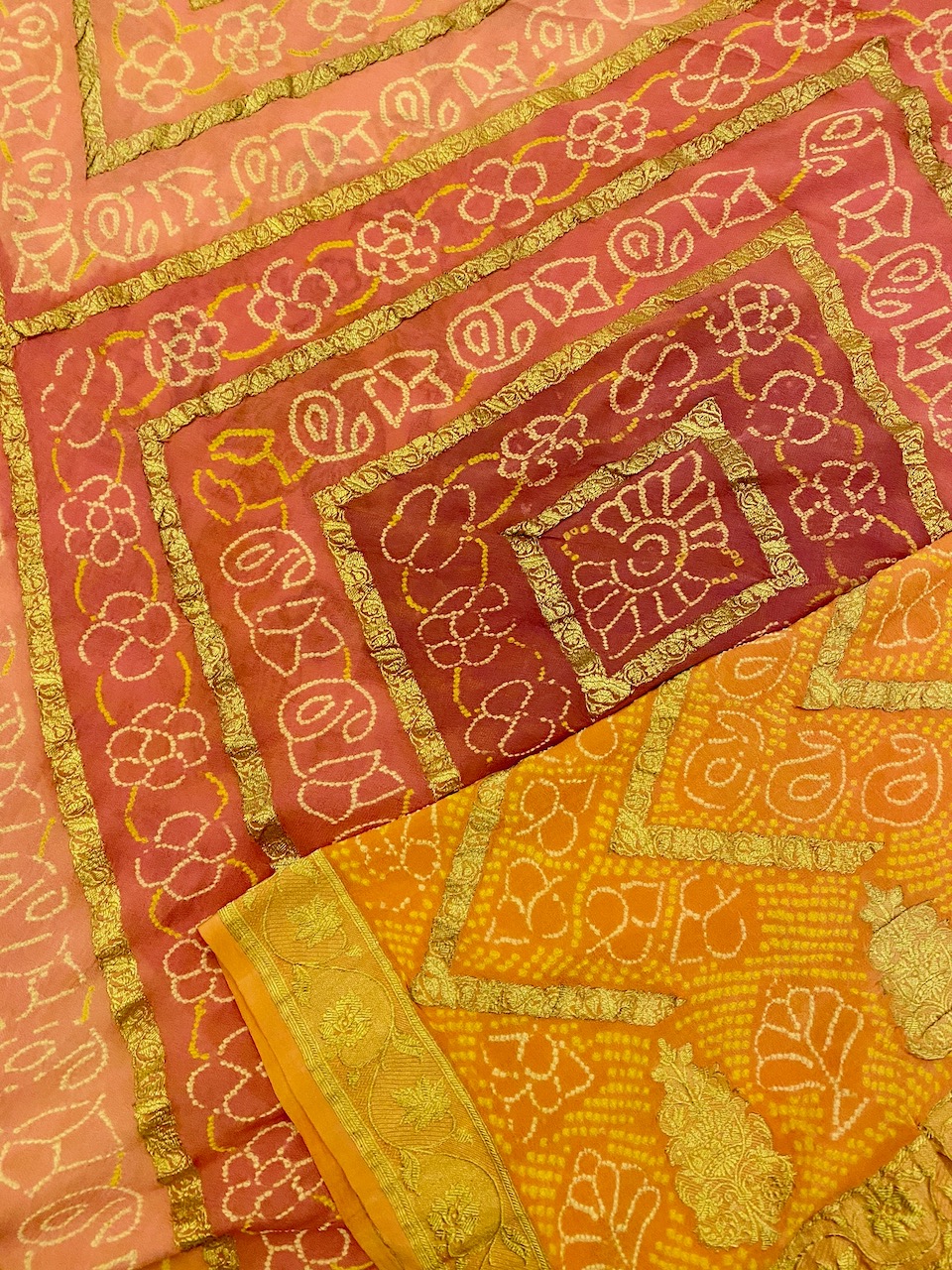
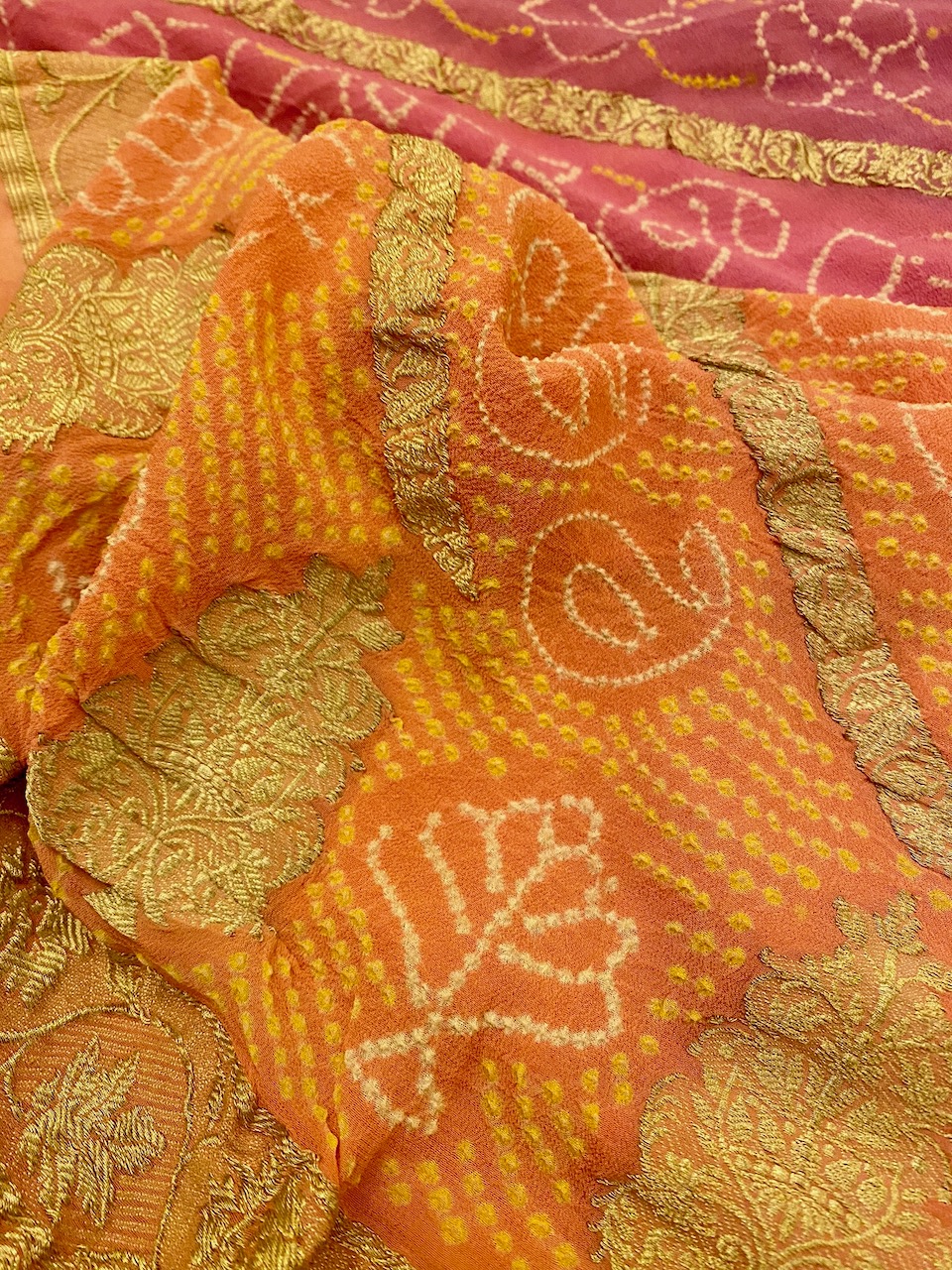
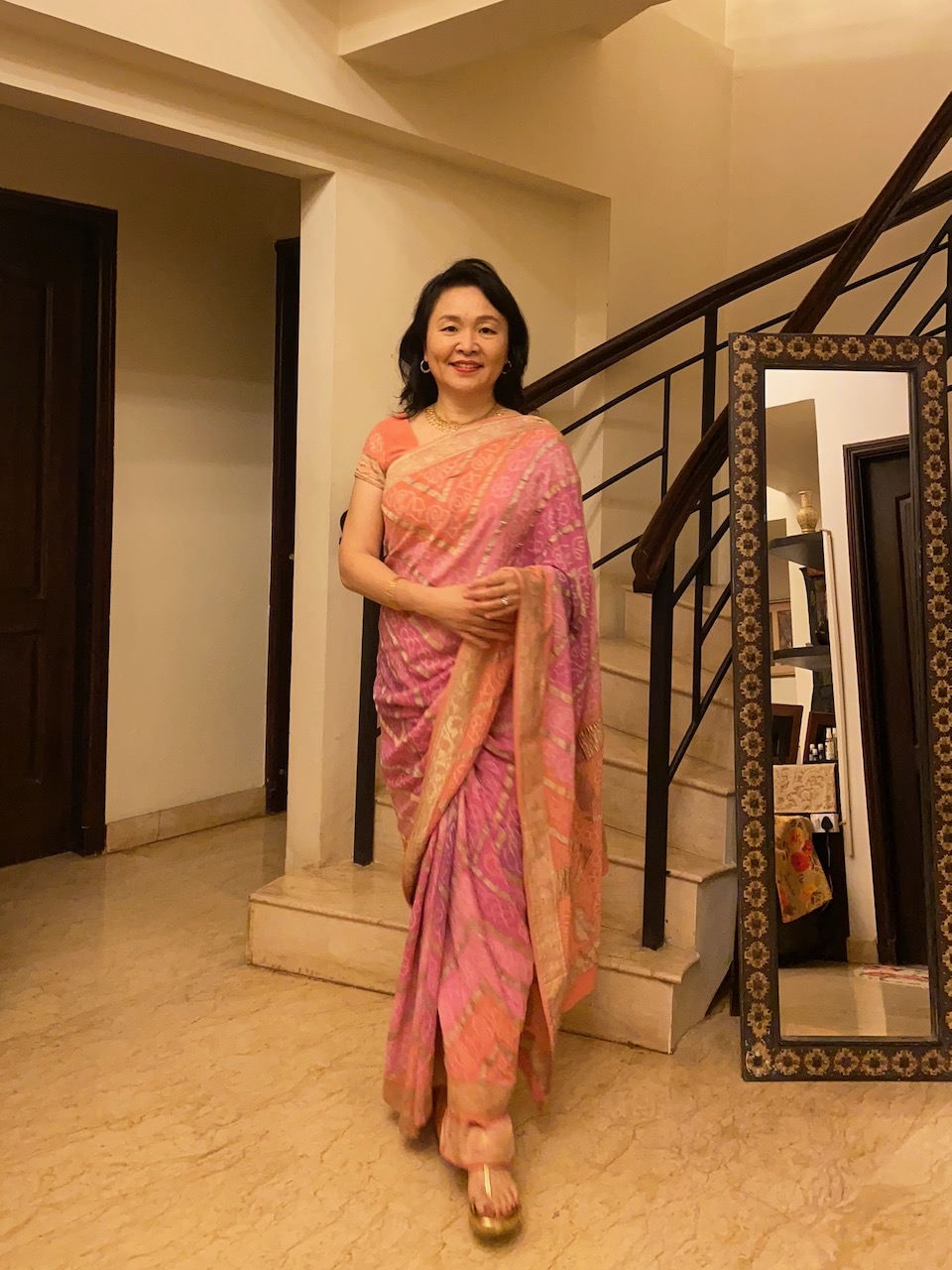
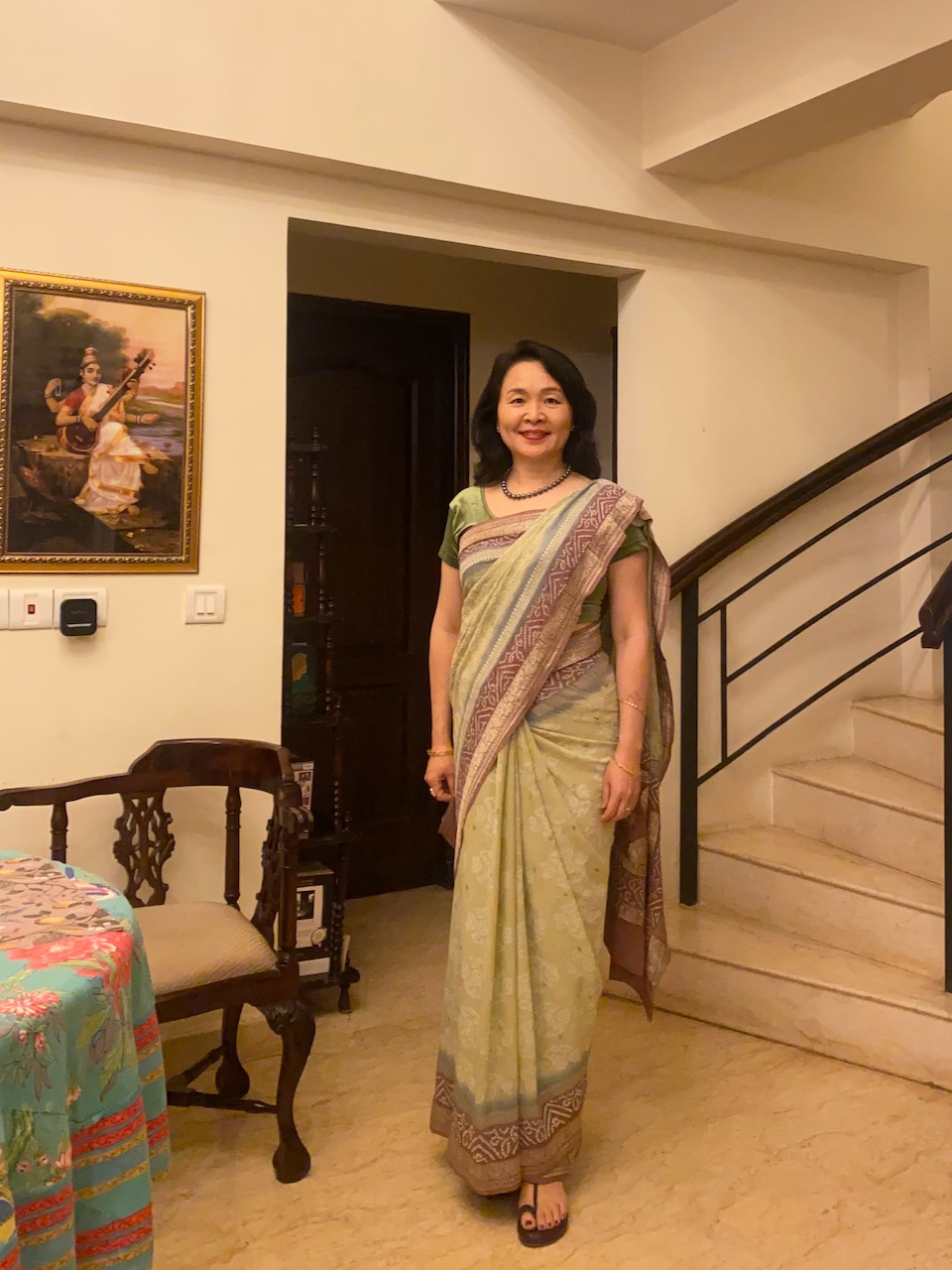
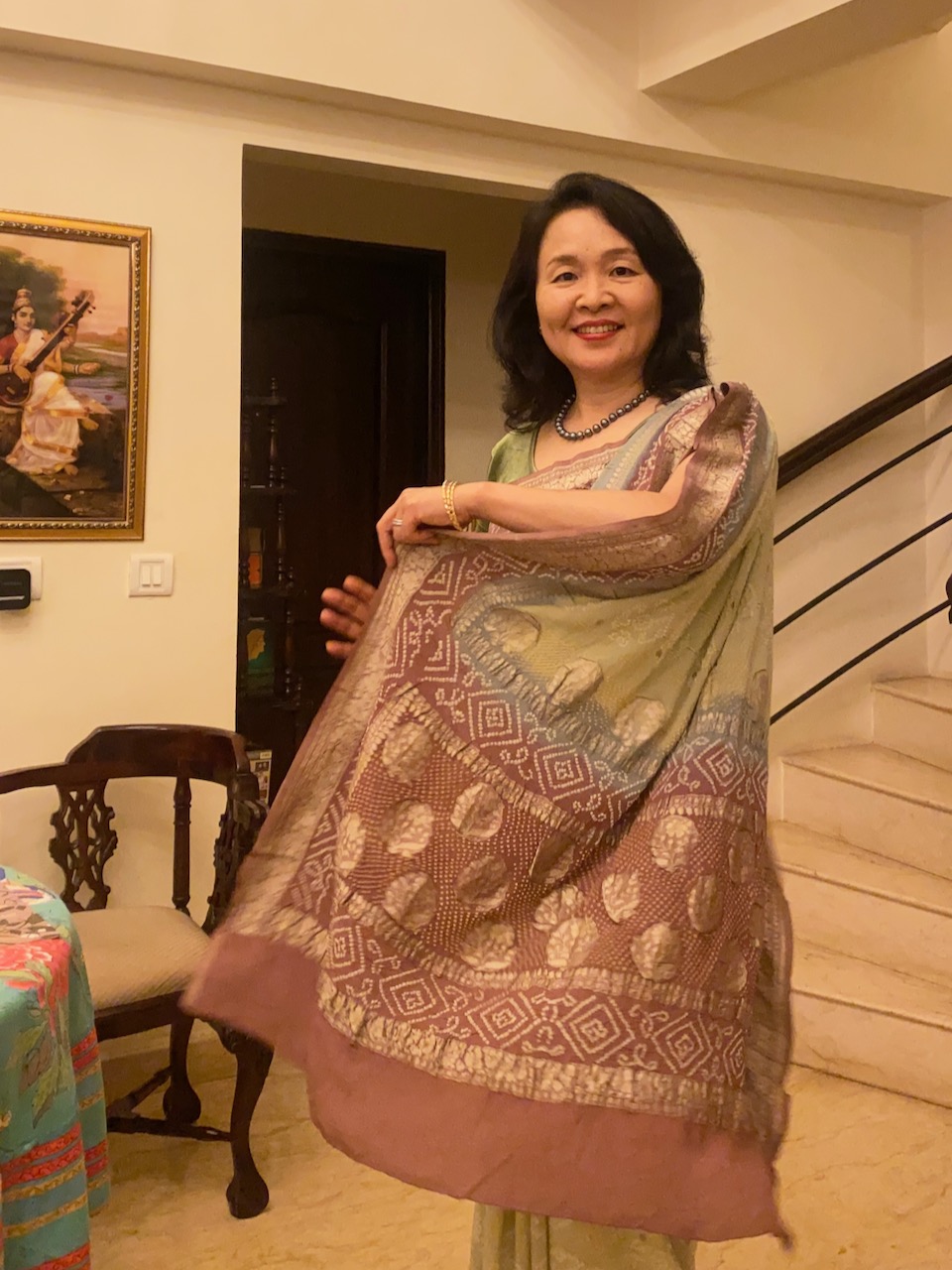
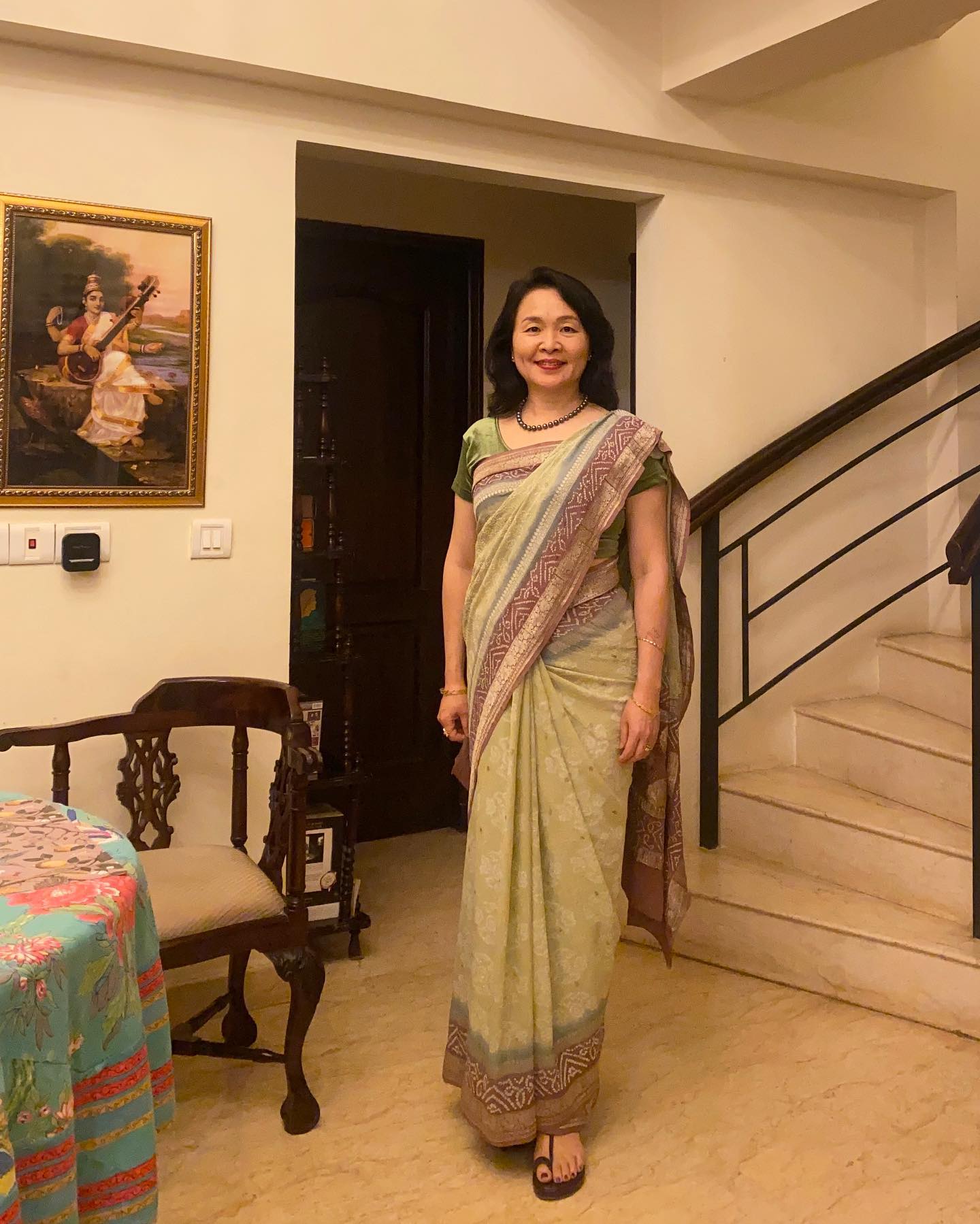
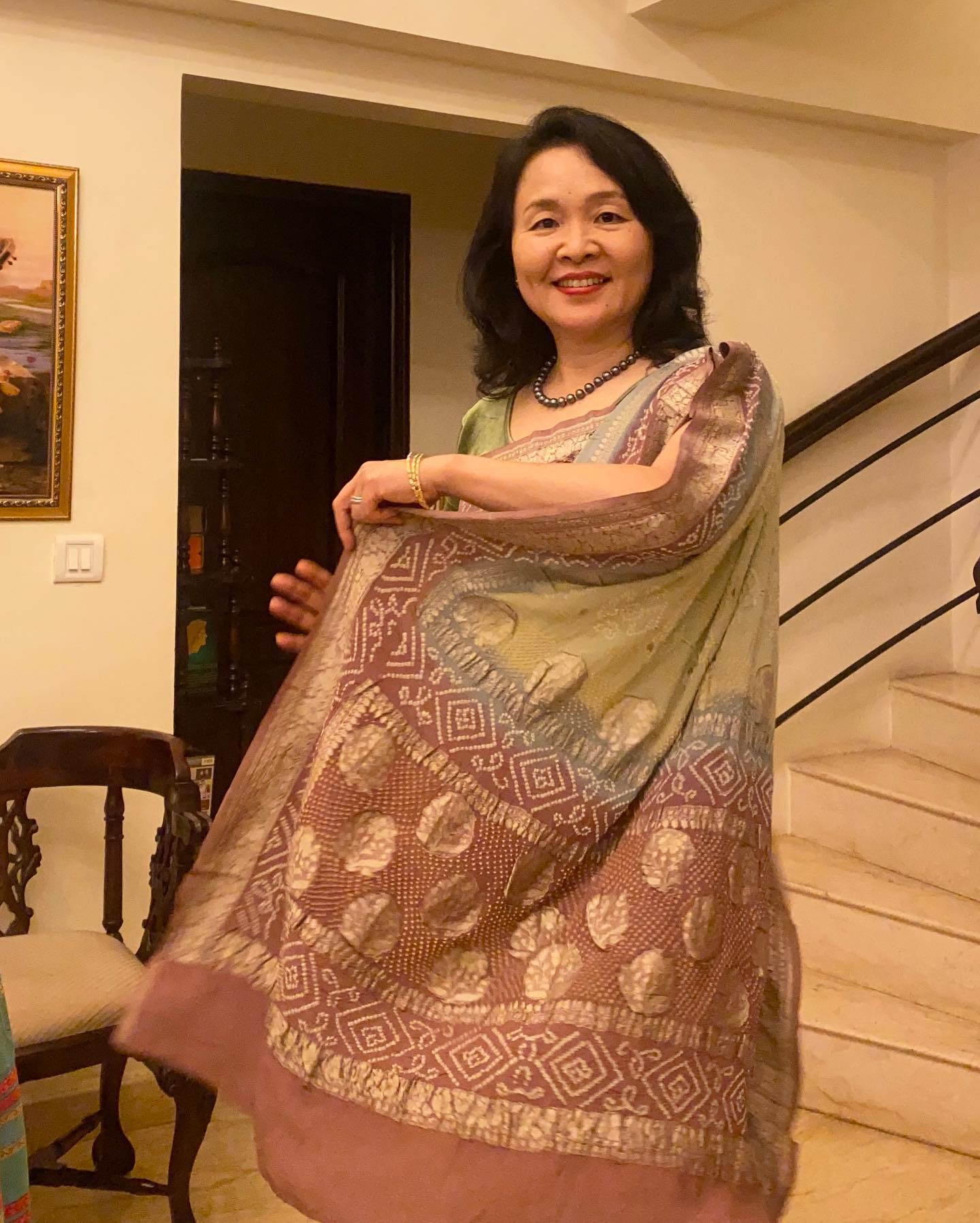
I was wearing a Bandhani saree, which I bought in Mumbai in 2008. The colors and patterns remind me of the yukata (informal light cotton kimono) sashes I wore as a child. It gives me a nostalgic feeling. The tie-dyeing on one side of the soft silk gives the cloth elasticity, allowing it to fit the body comfortably and prevent it from falling apart.
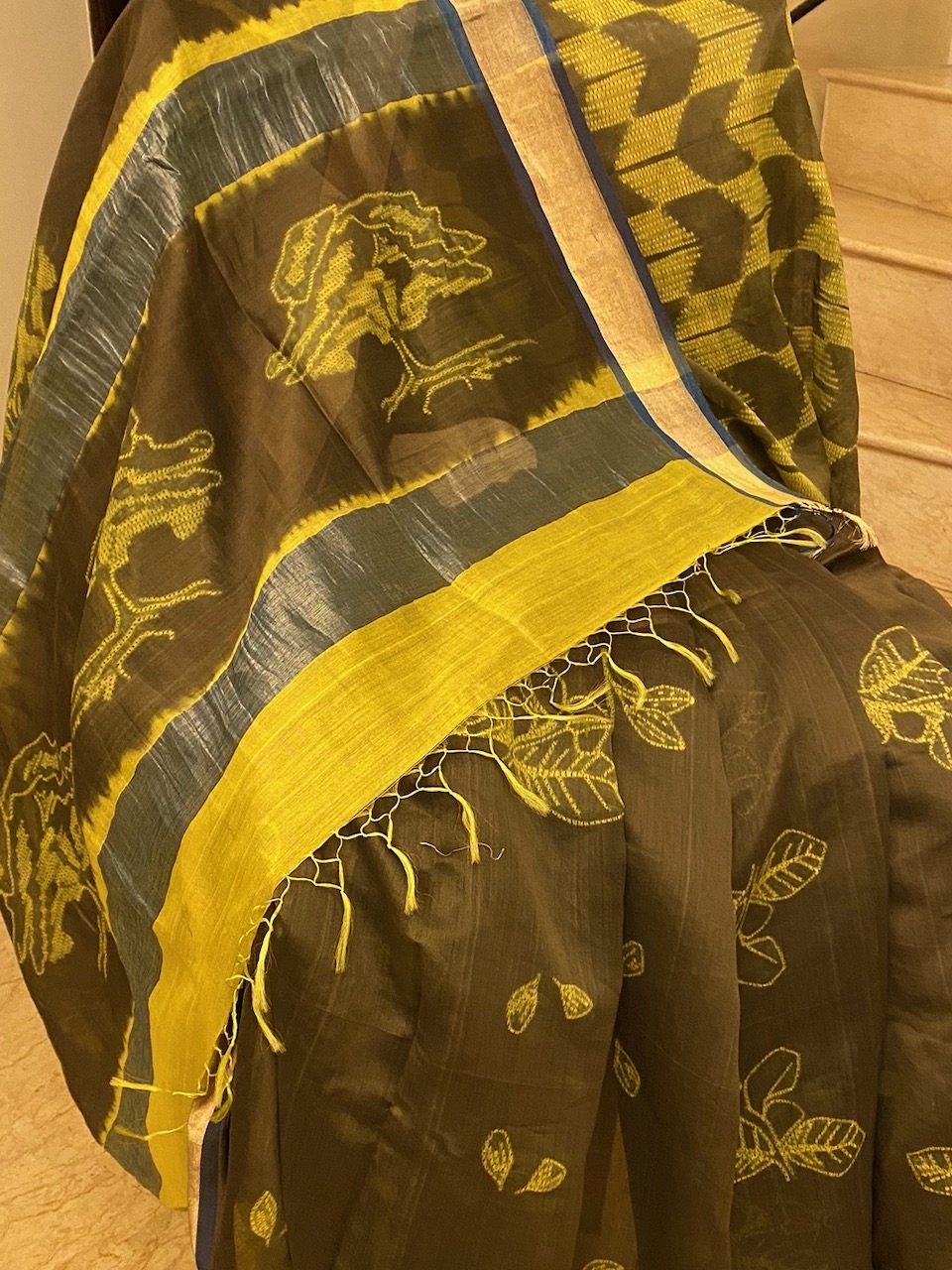
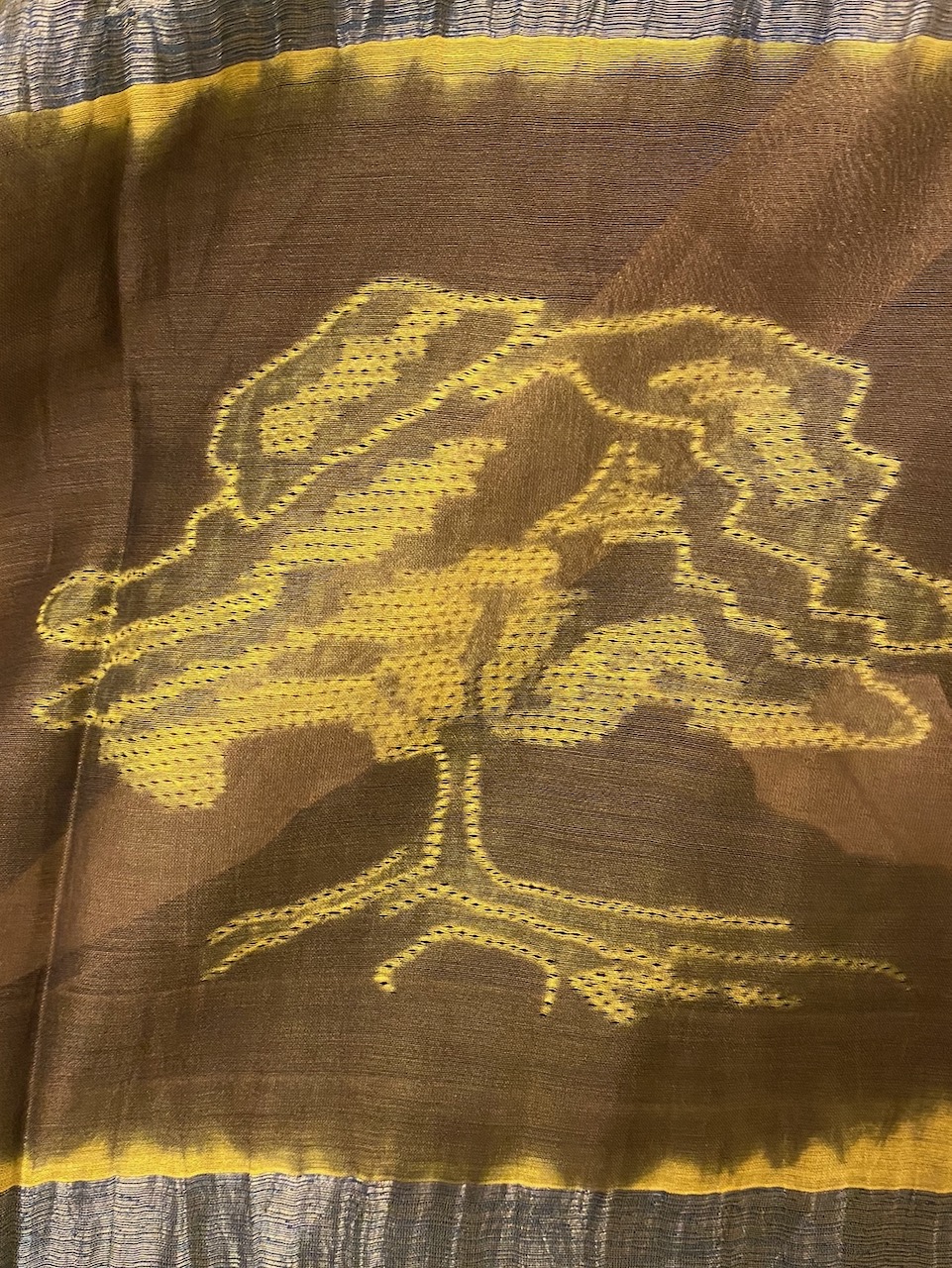
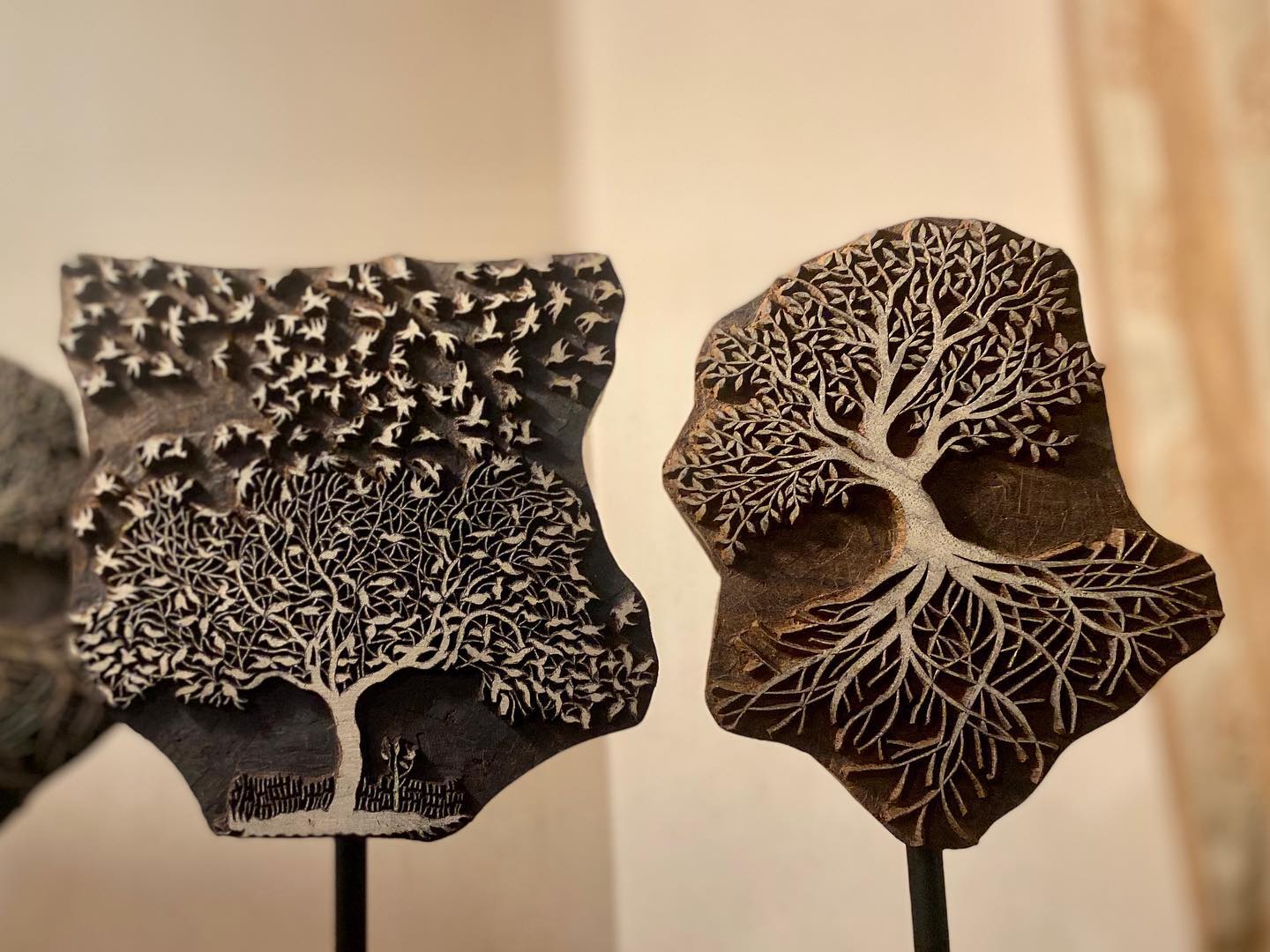
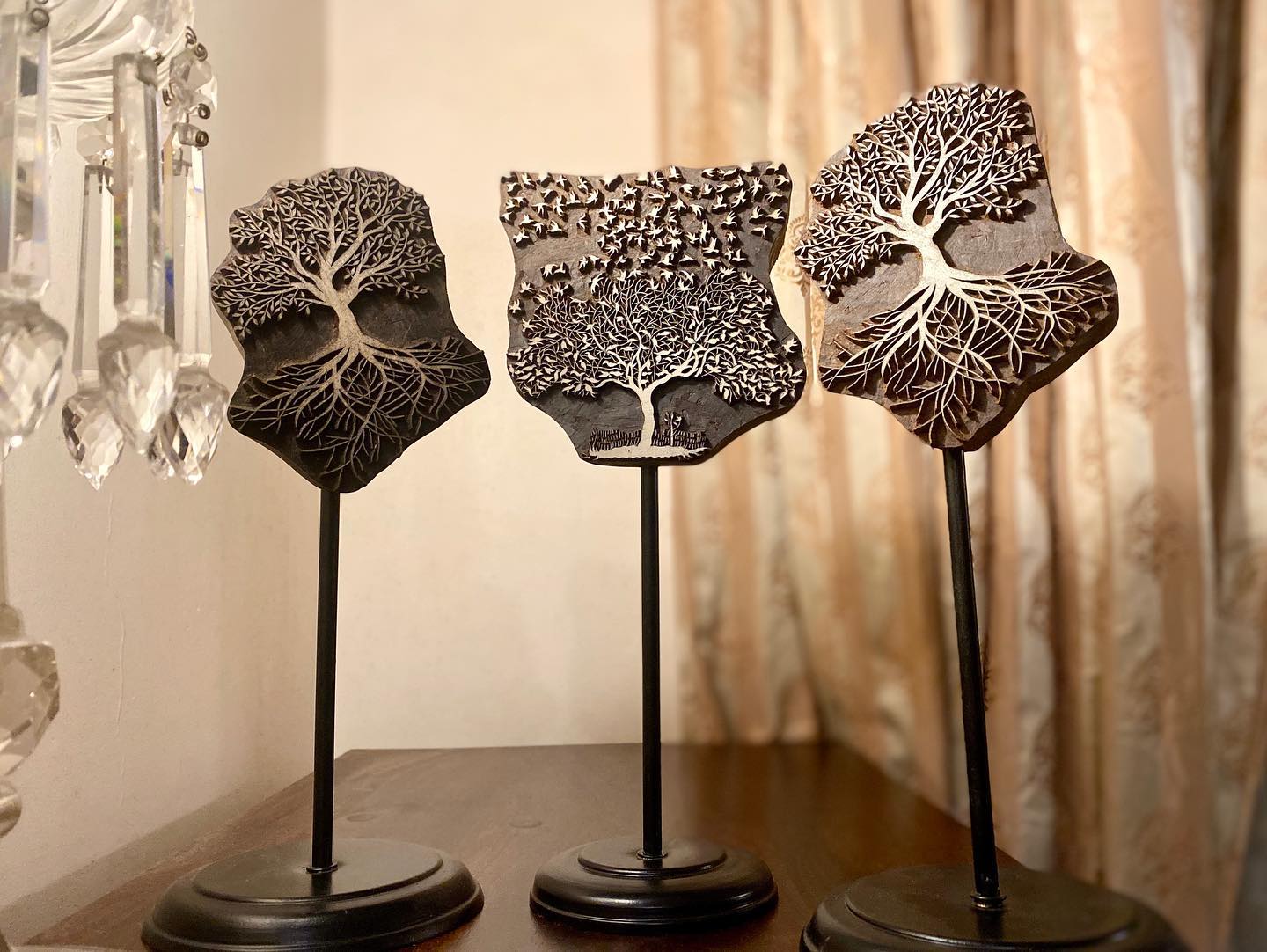
I bought a silk saree with a motif of Arjuna trees. I liked everything about it: the large tree with its roots, the leaves and flowers, the color scheme of gray, indigo, and yellow, and the Japanese arrow pattern on the blouse. I am looking forward to tailoring the blouse and wearing it.
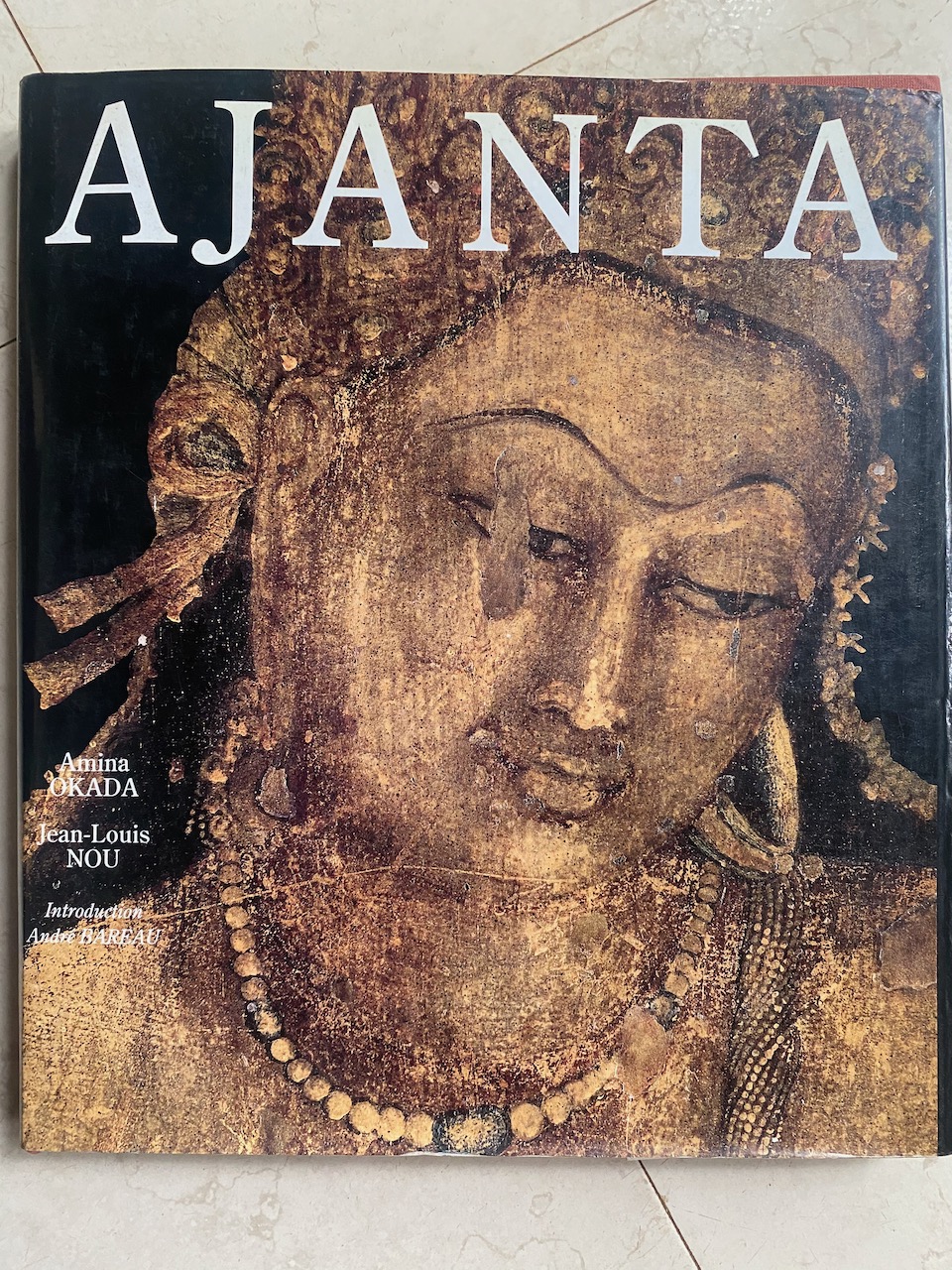
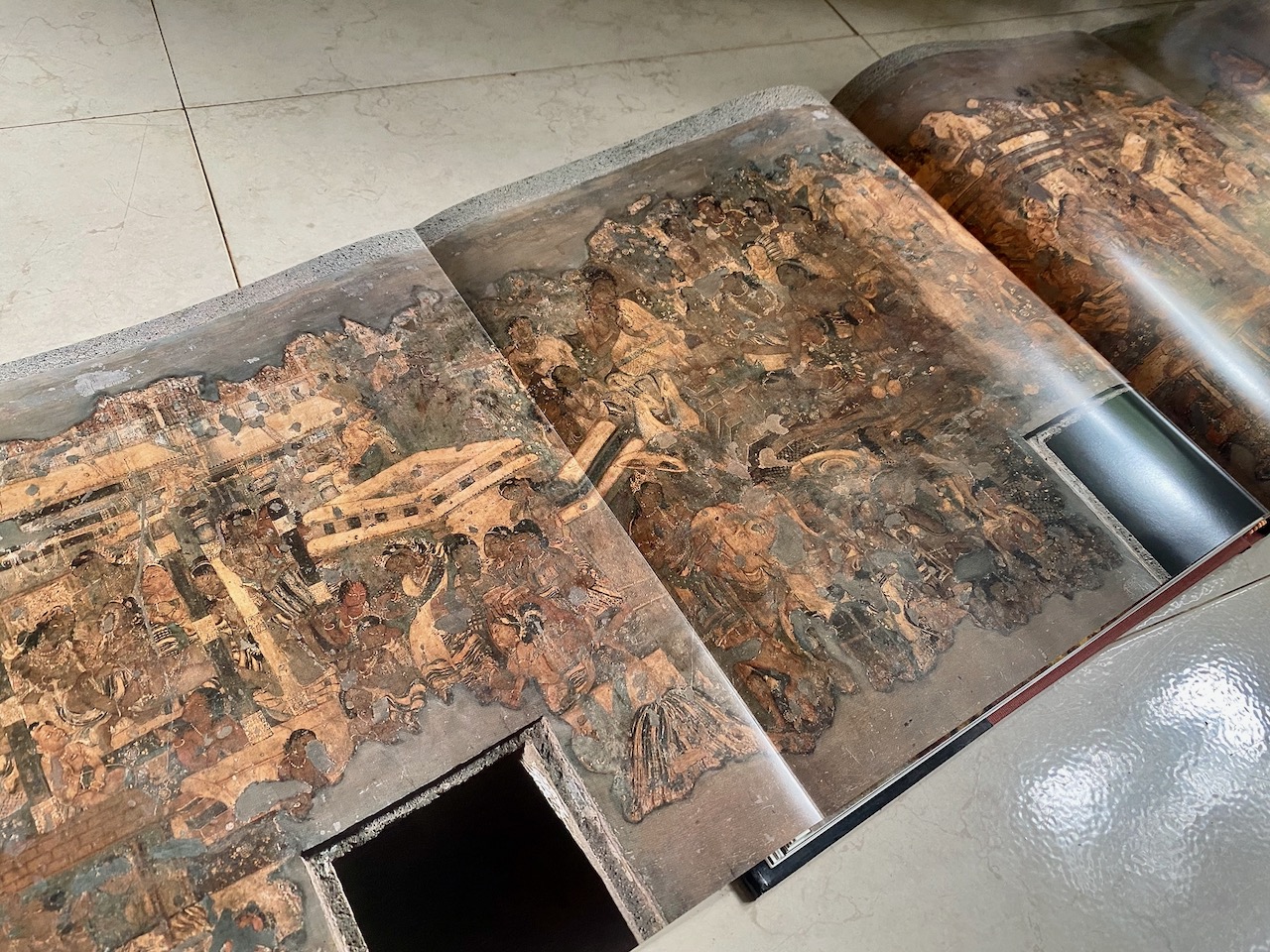
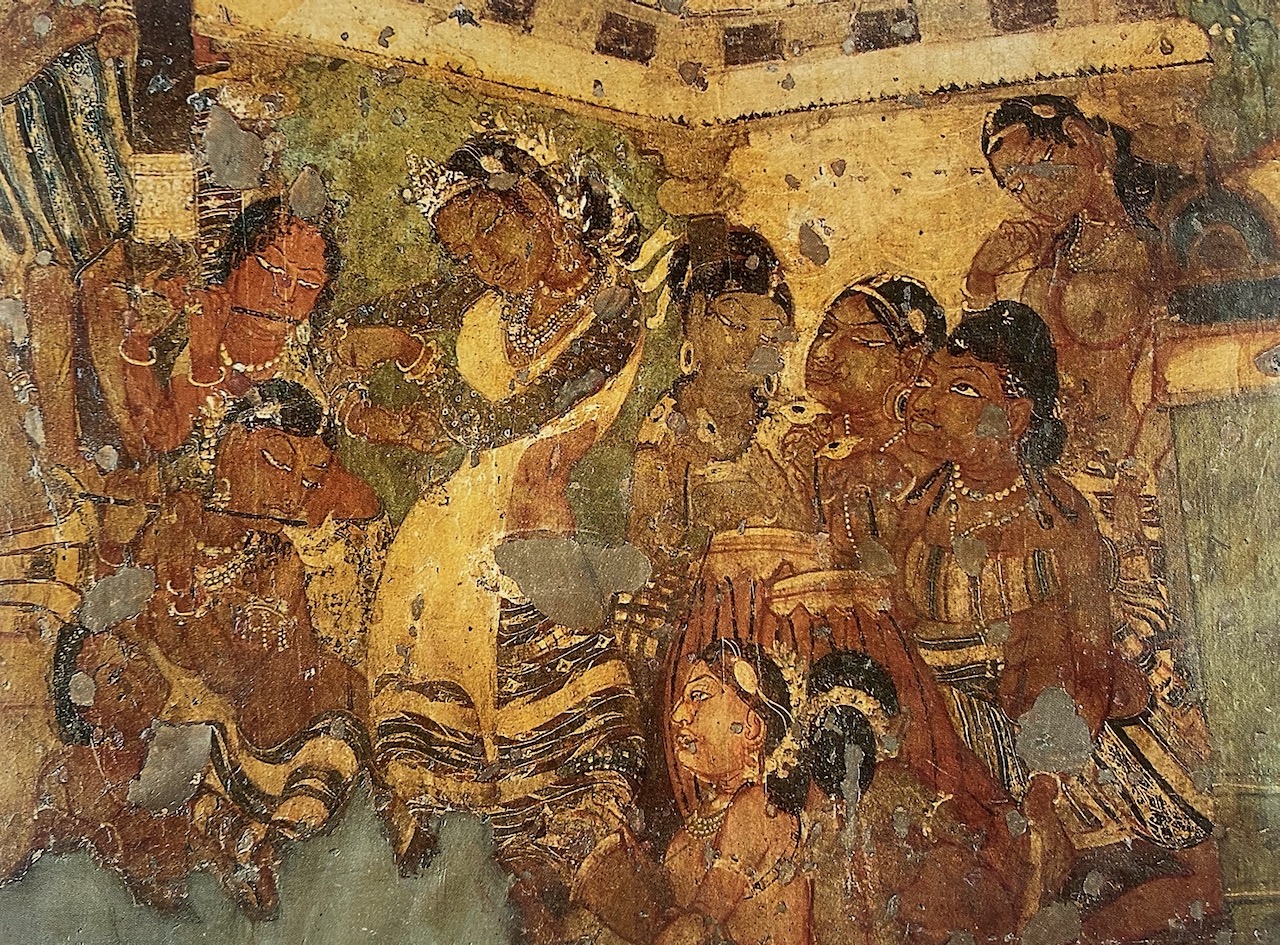
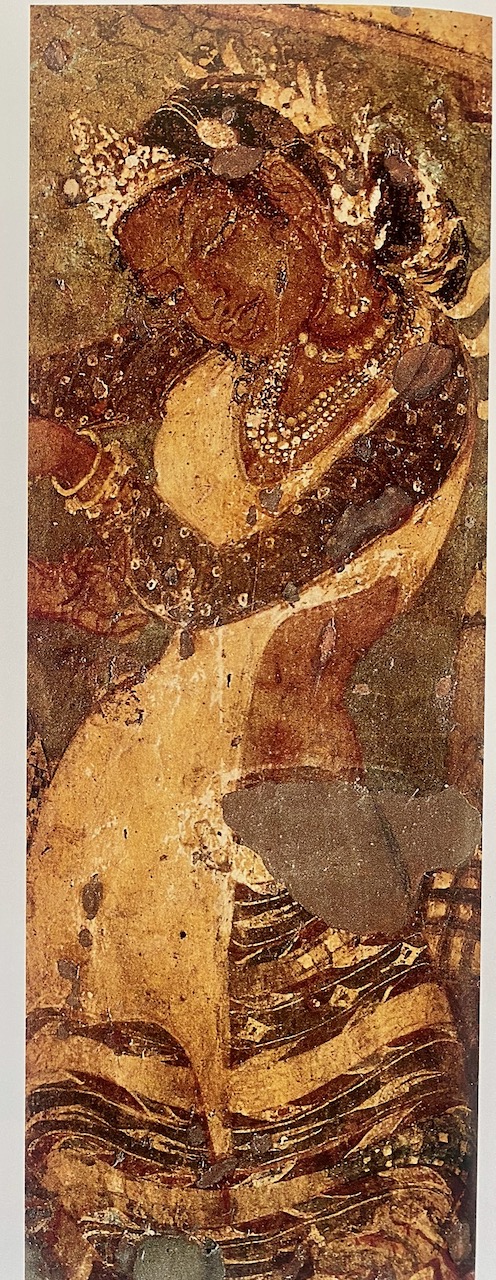
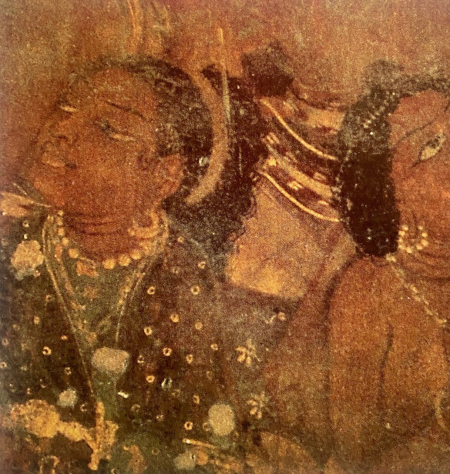
This time, when I was researching the history of Bandhani, I found that Bandhani clothing can be found in the first cave of the Ajanta cave, in a painting depicting the life of Buddha. When I opened up the photo book I had purchased right after my visit, I found the picture! The dancing lady is wearing Shibori top and Ikat bottom. How lovely!
※展示会は17日まで開催されている。バンガロールにいらっしゃる方はぜひ足を運んで欲しい。また、オンラインでも購入できる。
The exhibition is open until the 17th. If you are in Bangalore, please come and visit. You can also purchase online.
➡︎ https://linktr.ee/muracollective
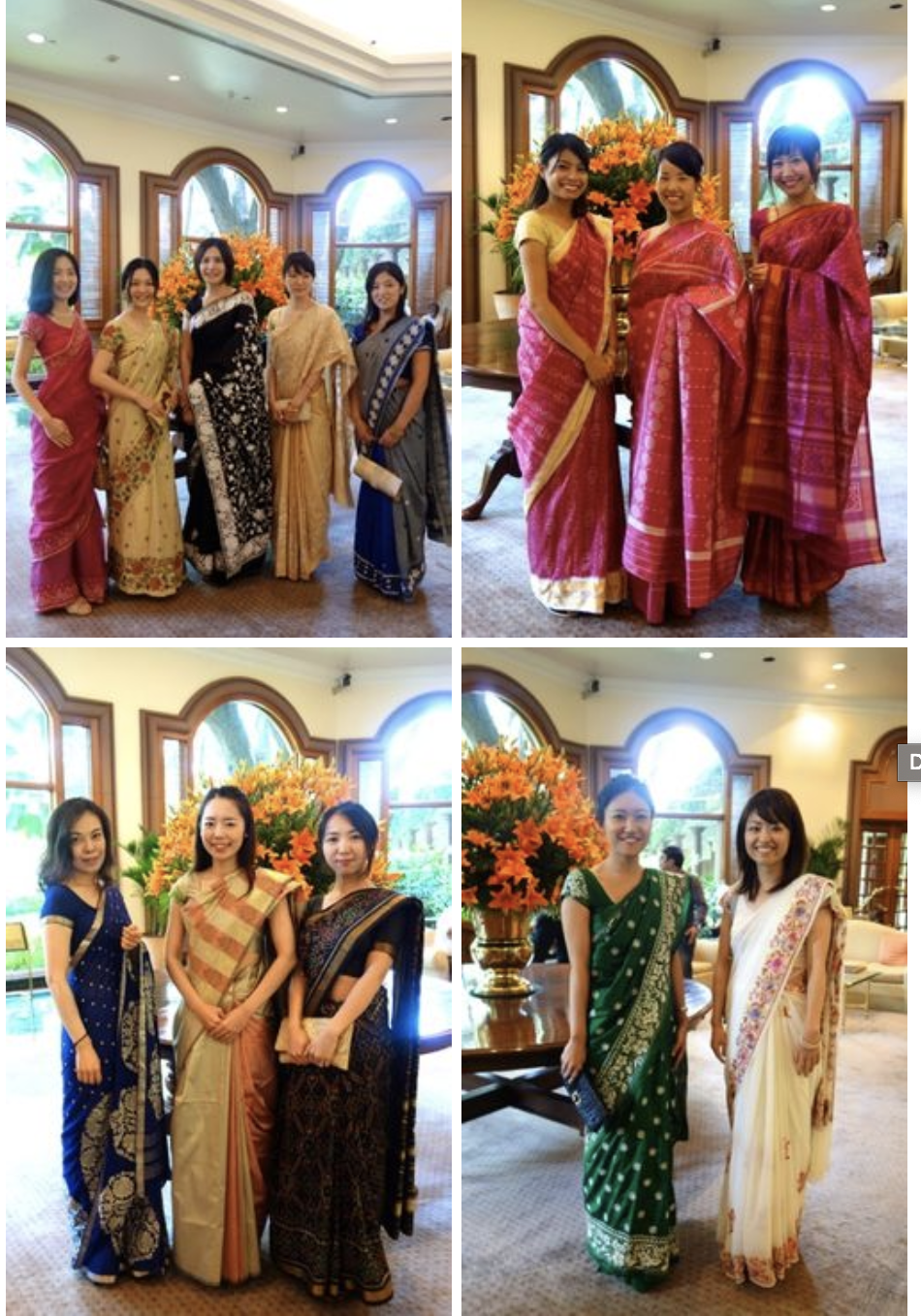
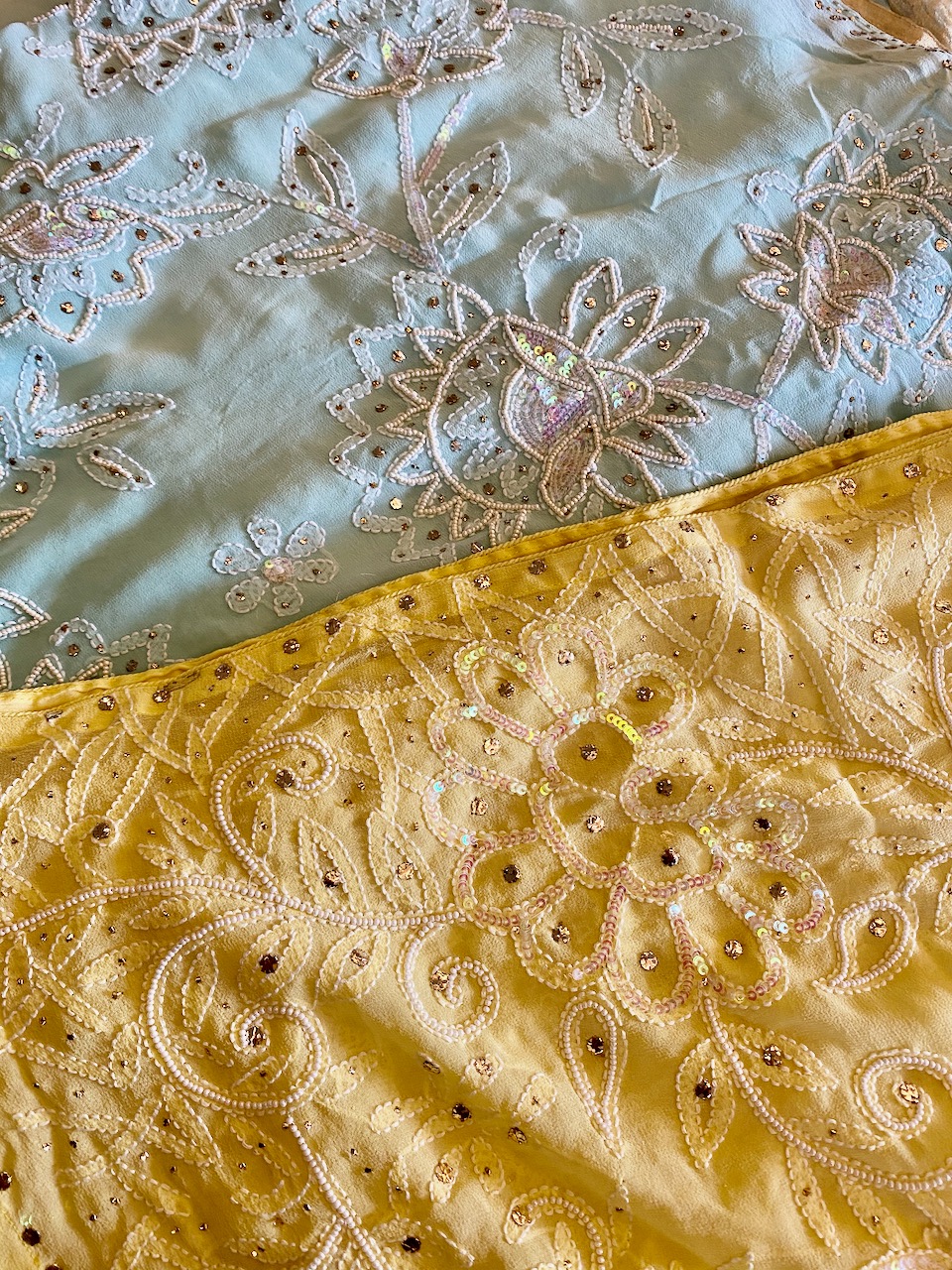
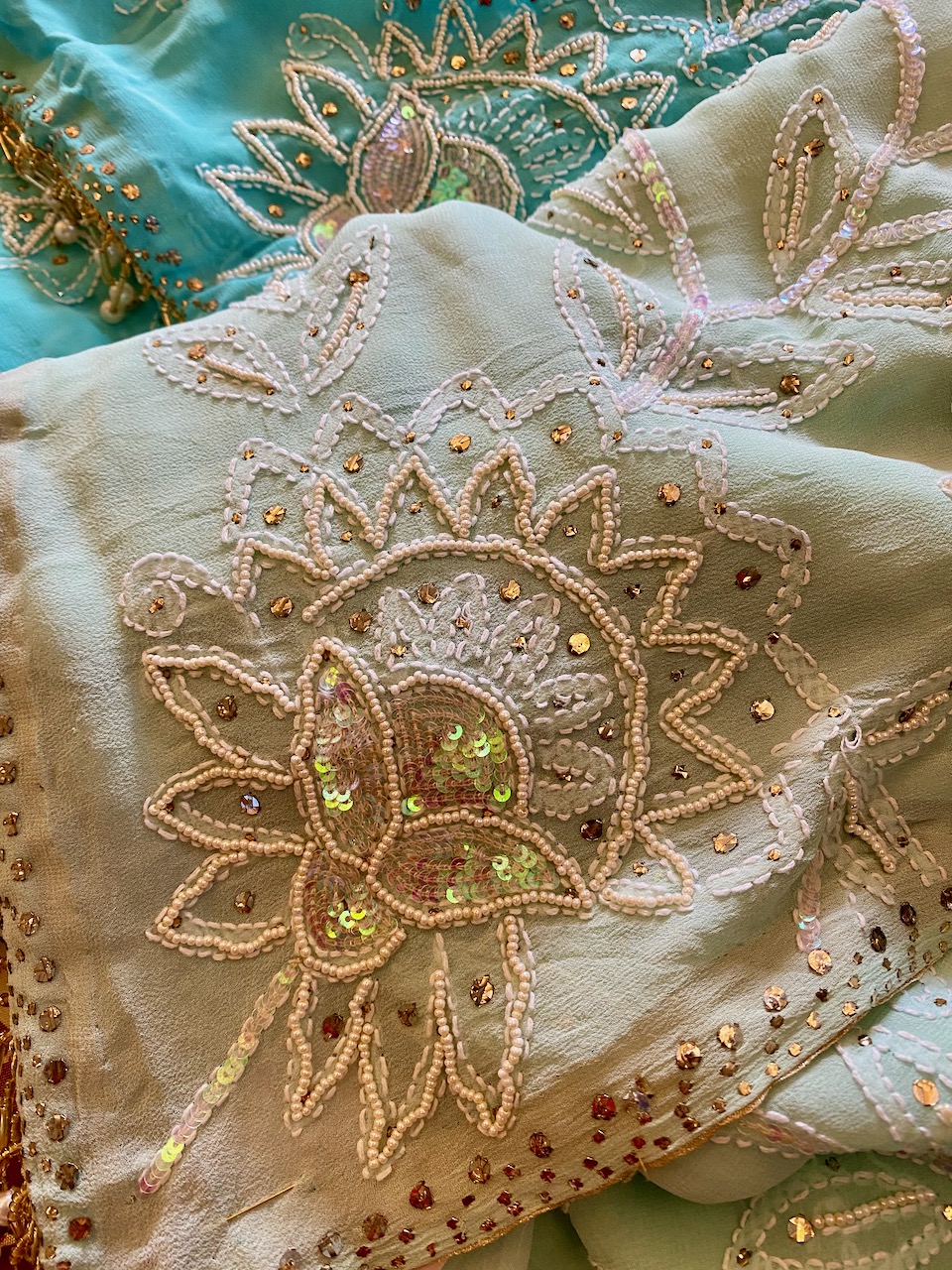
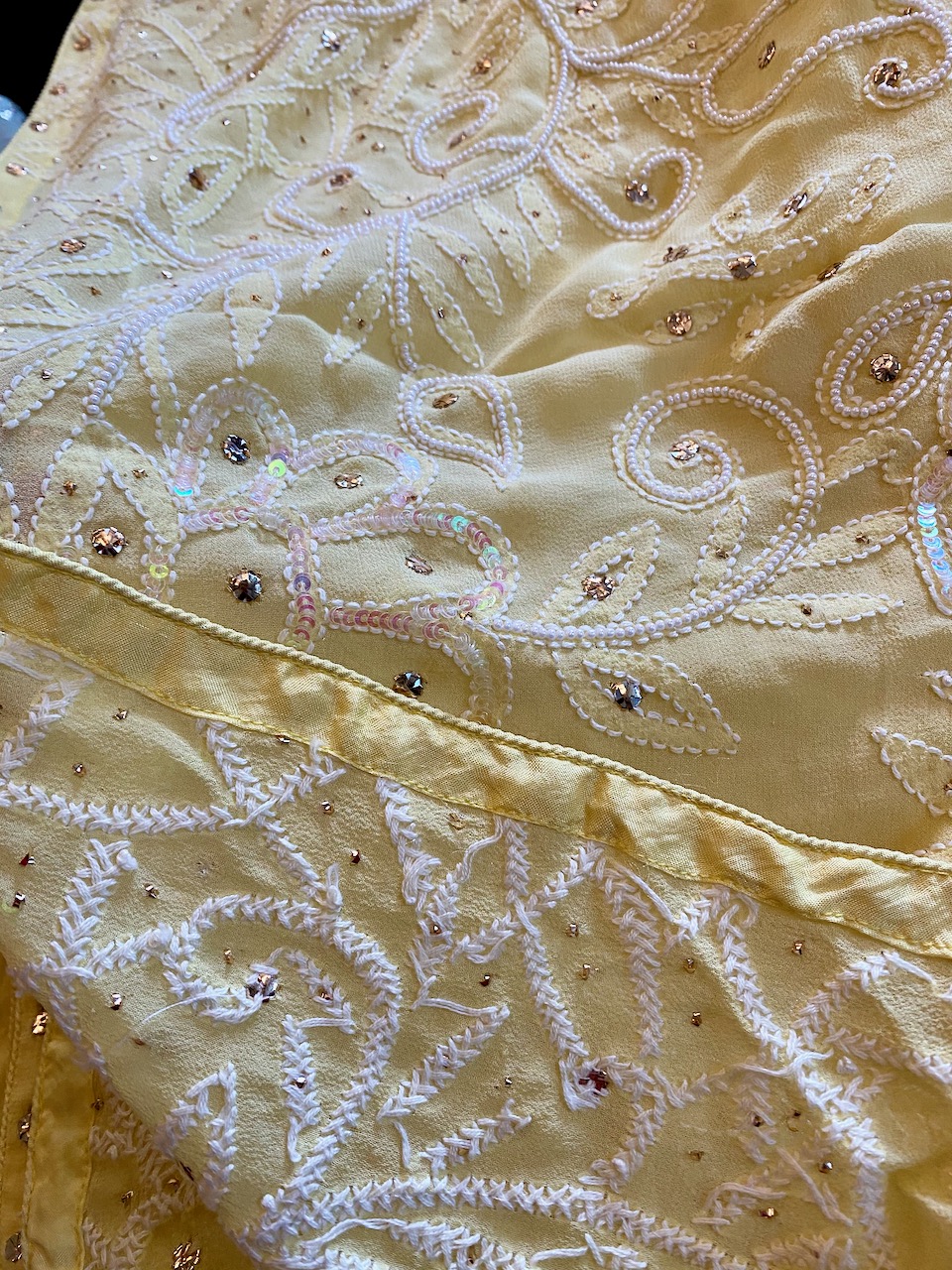
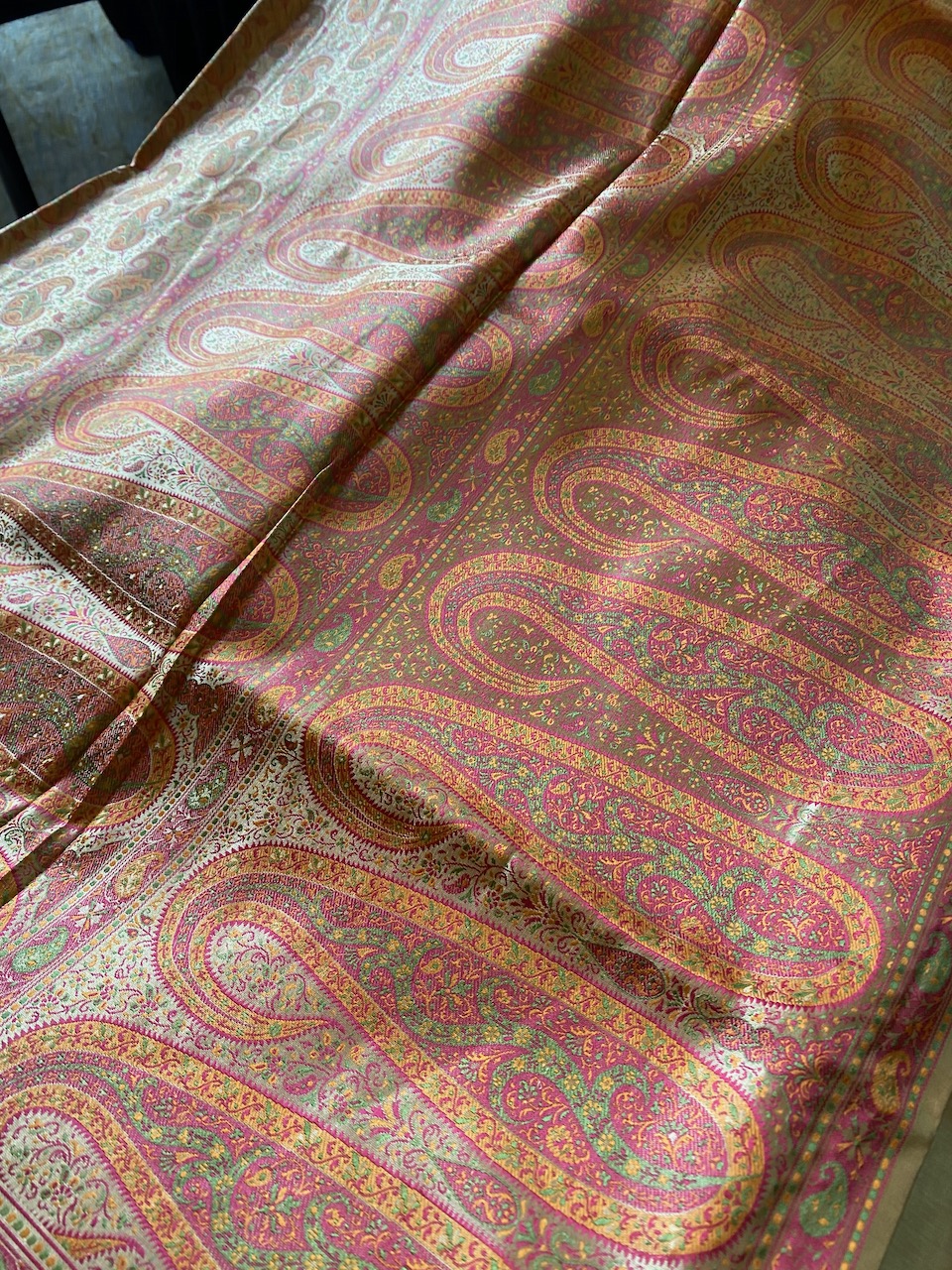
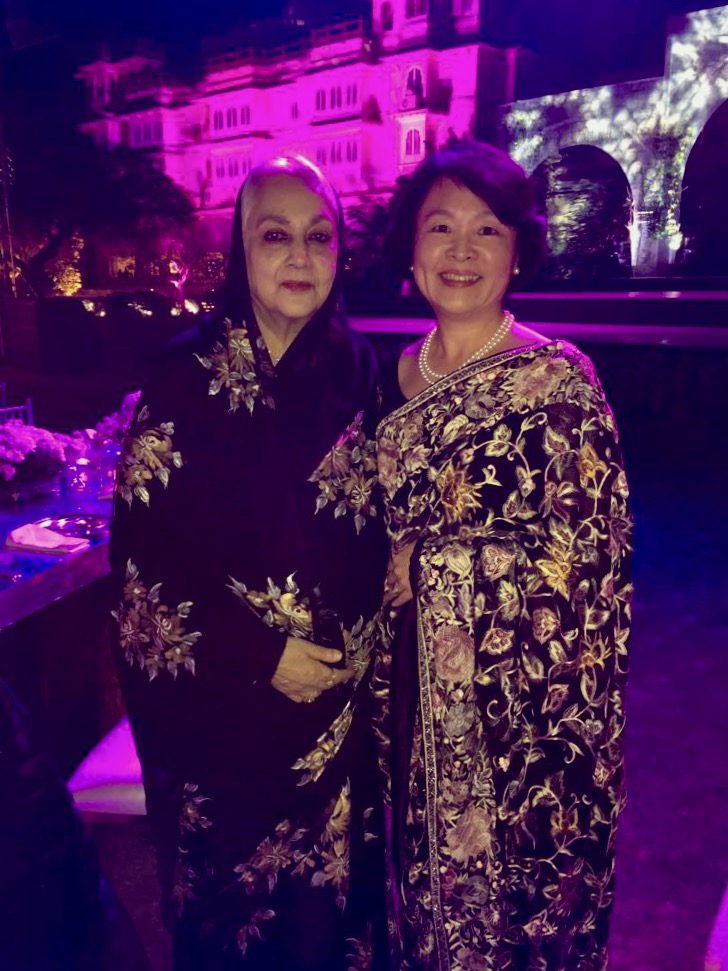
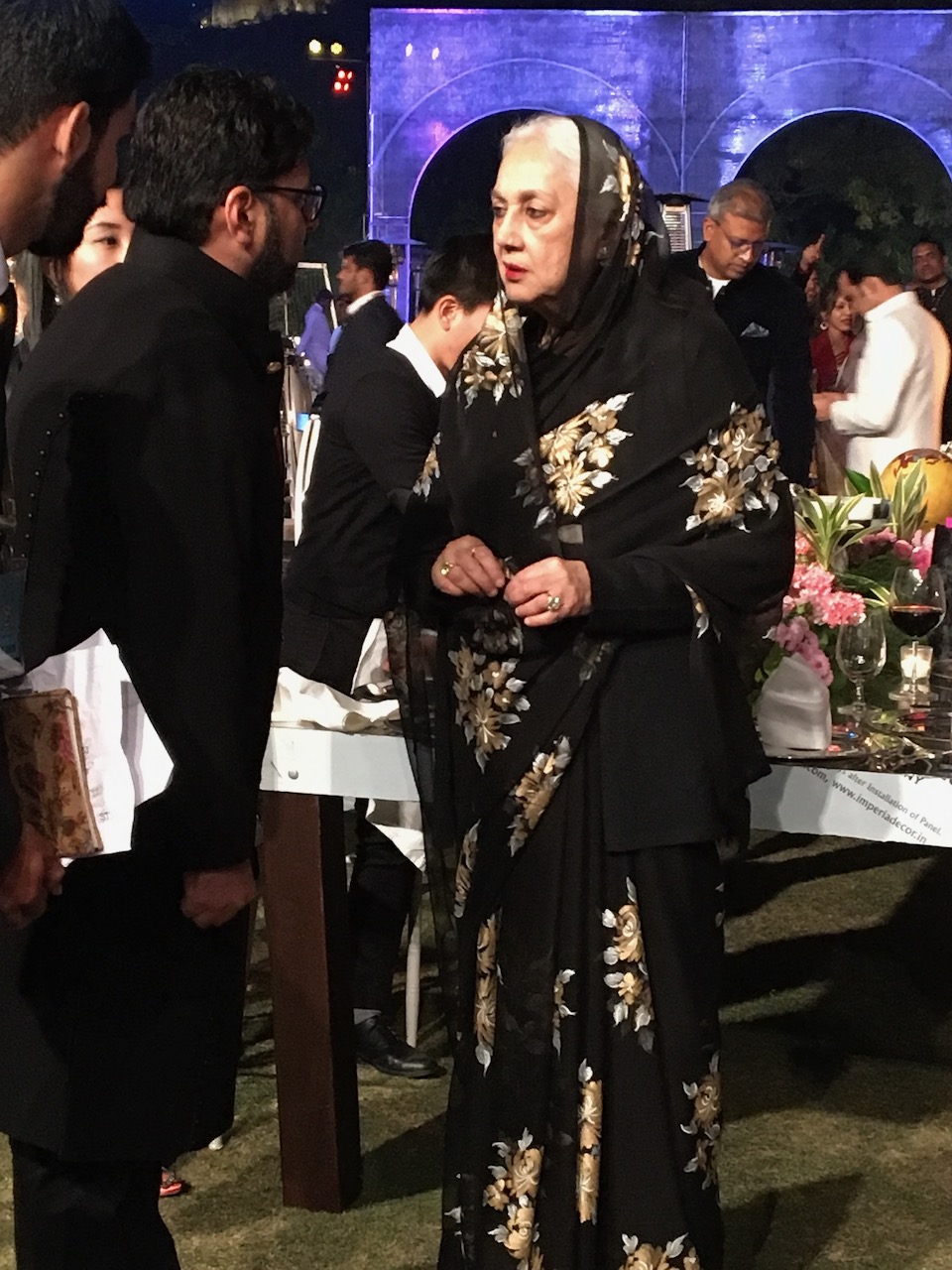
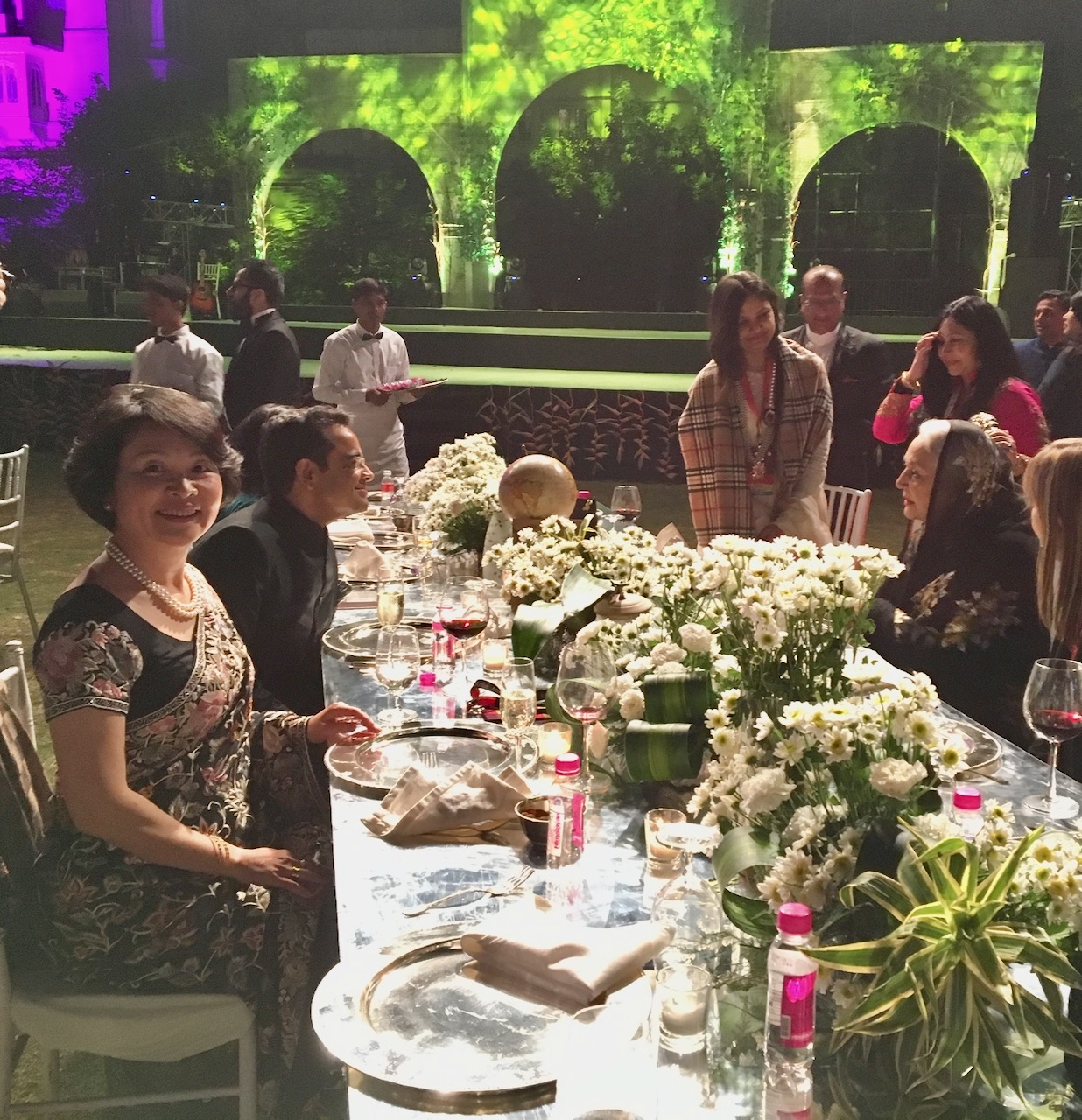
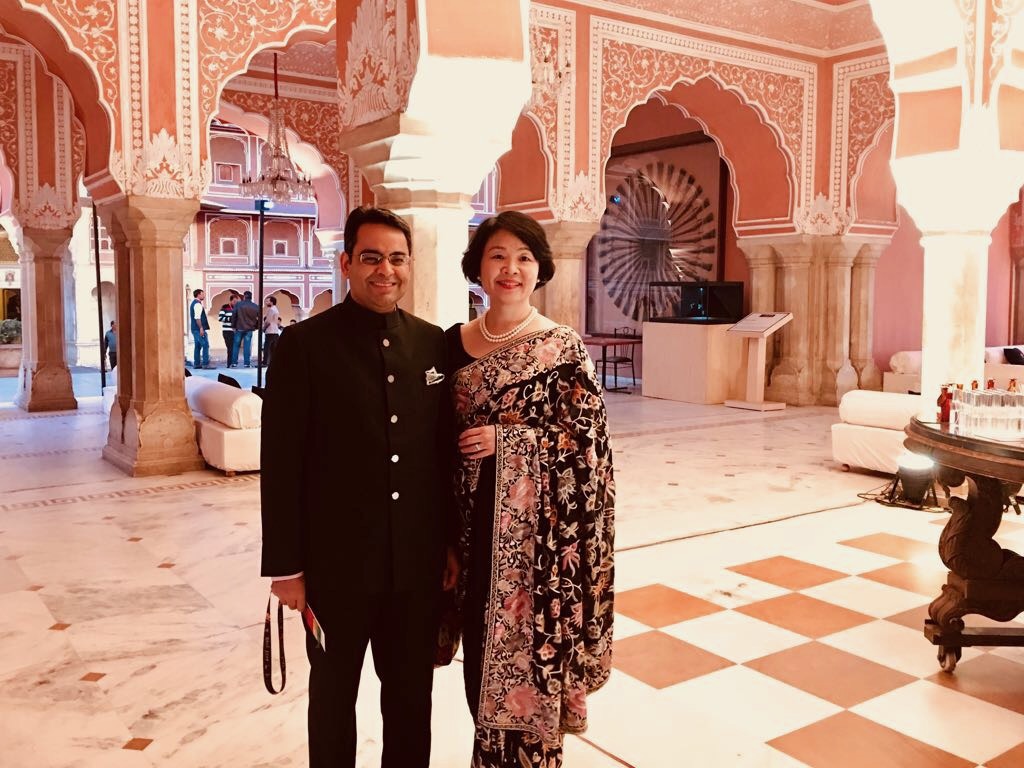
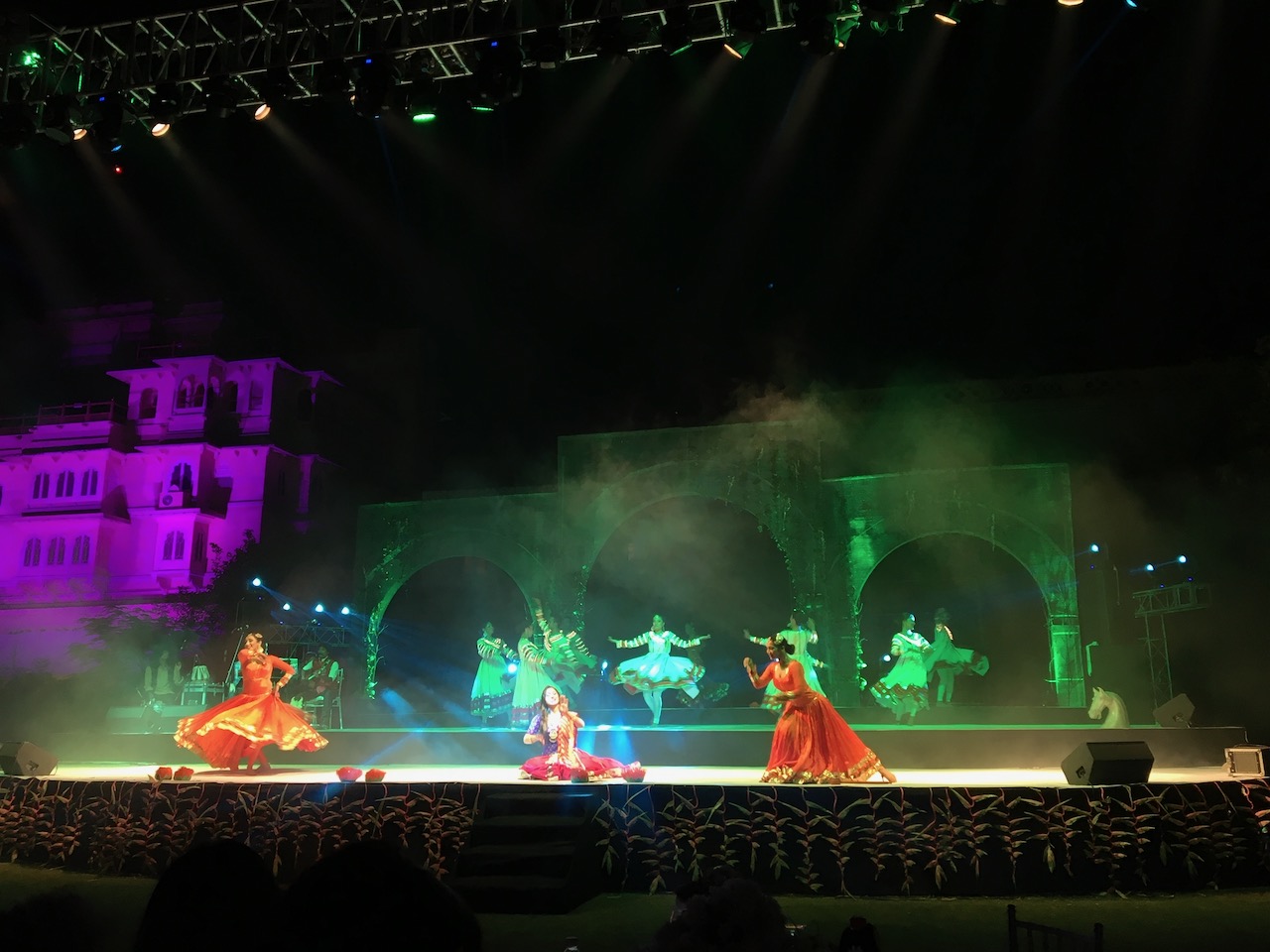
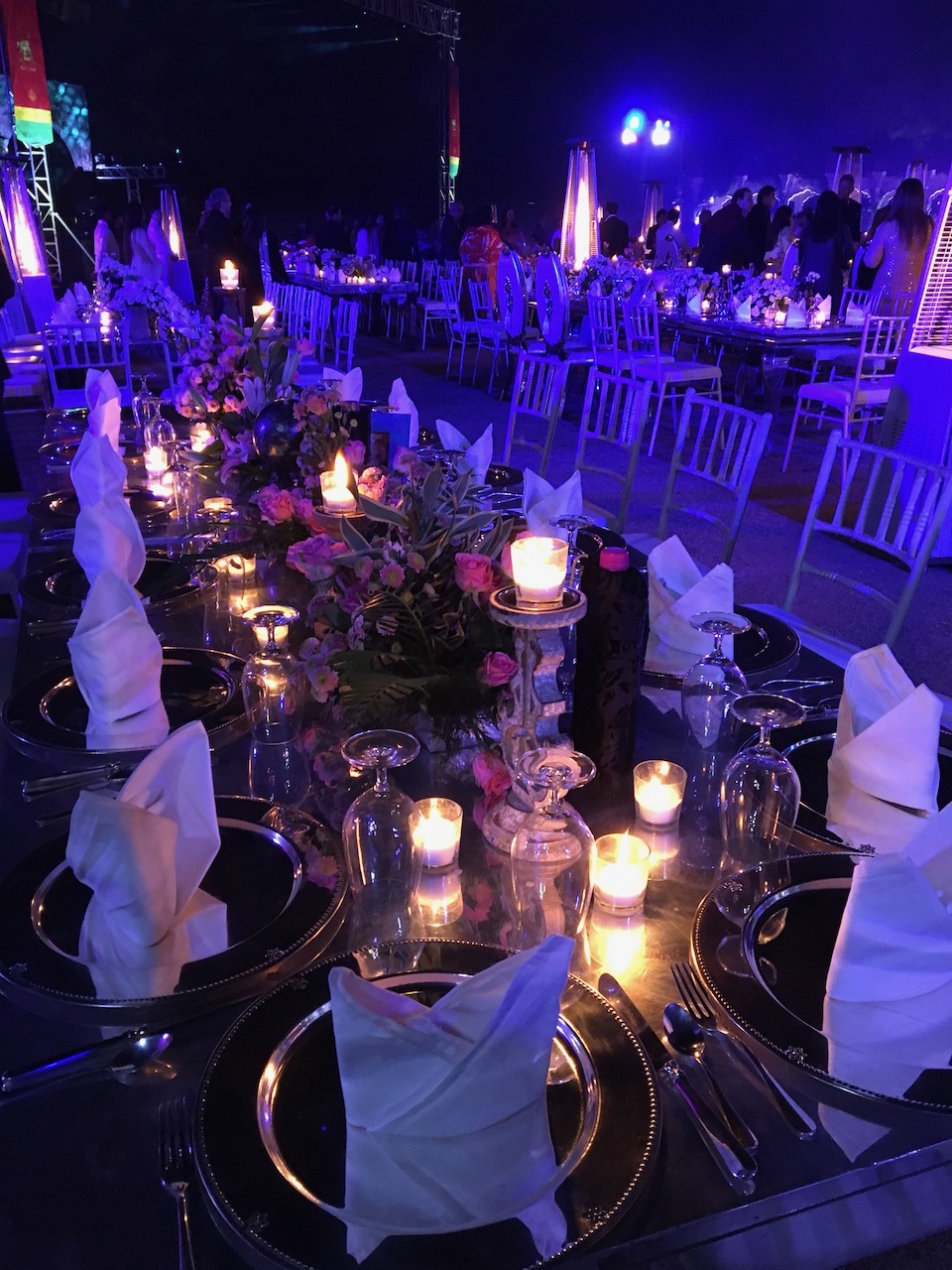
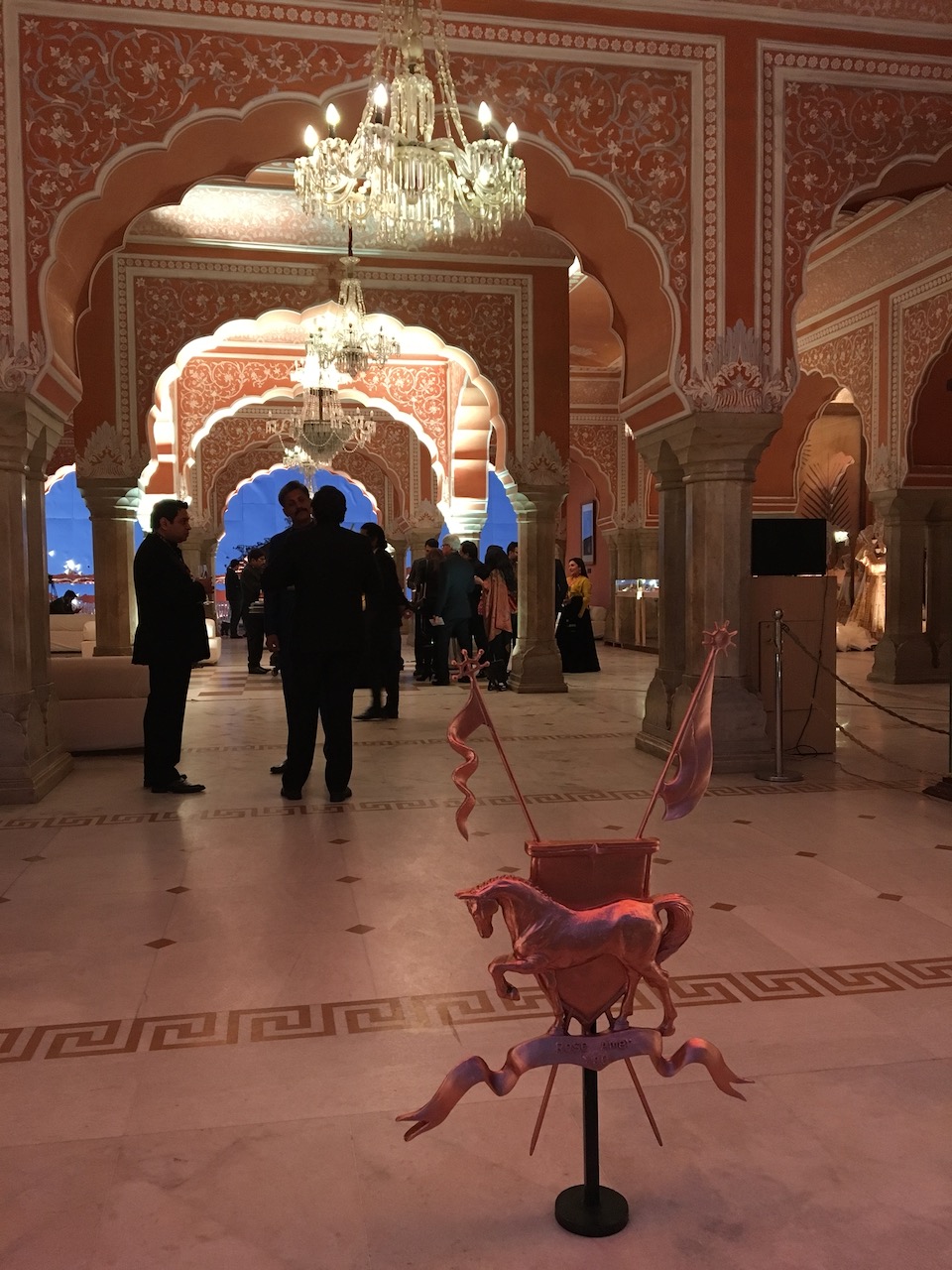
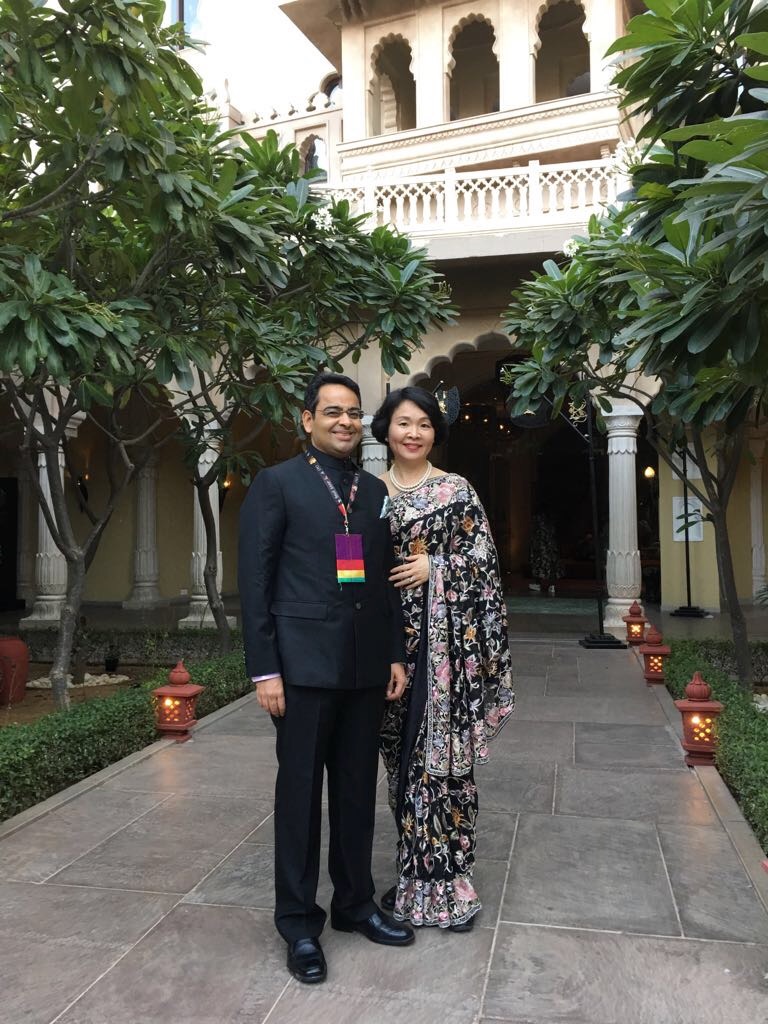
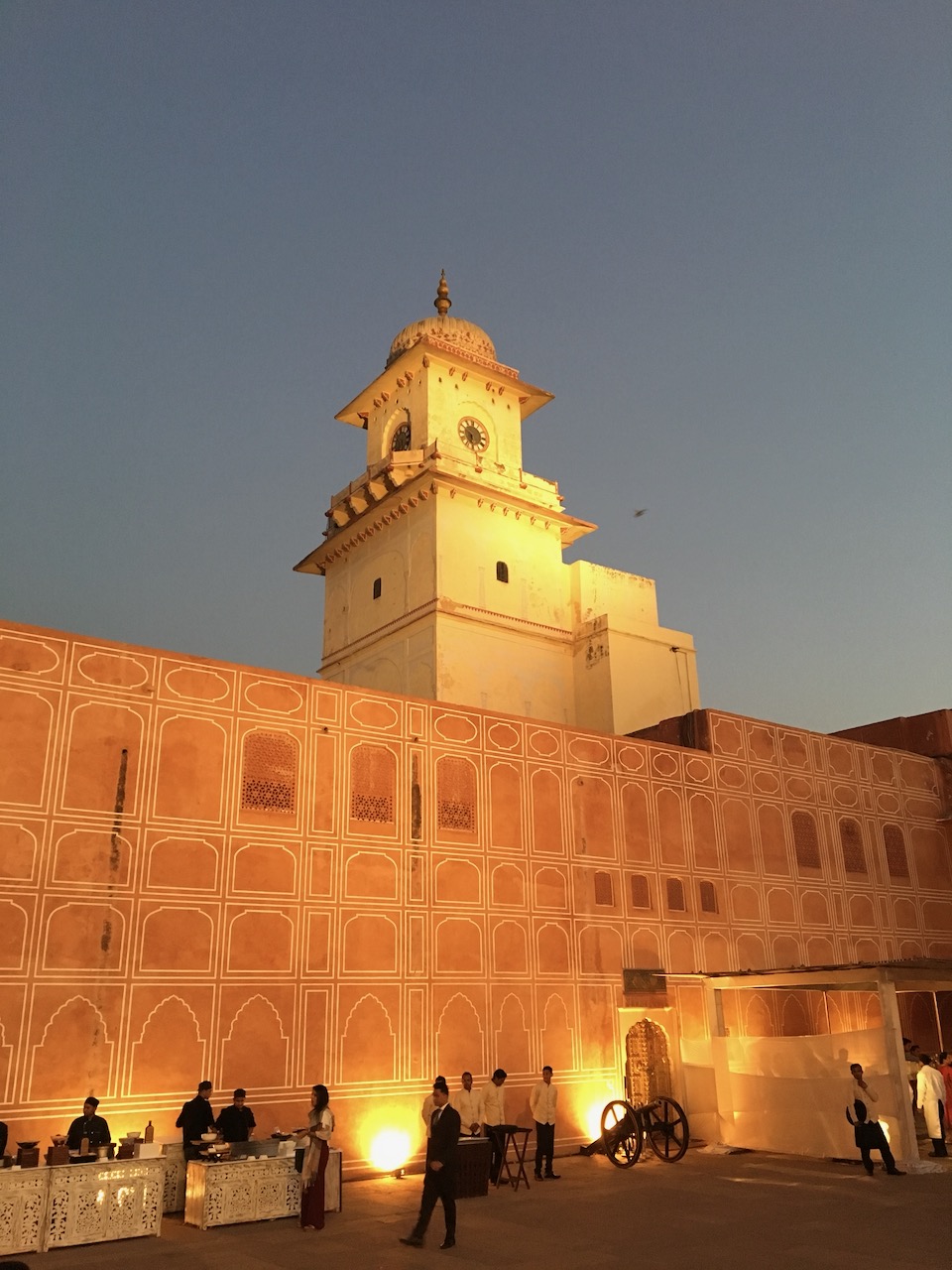
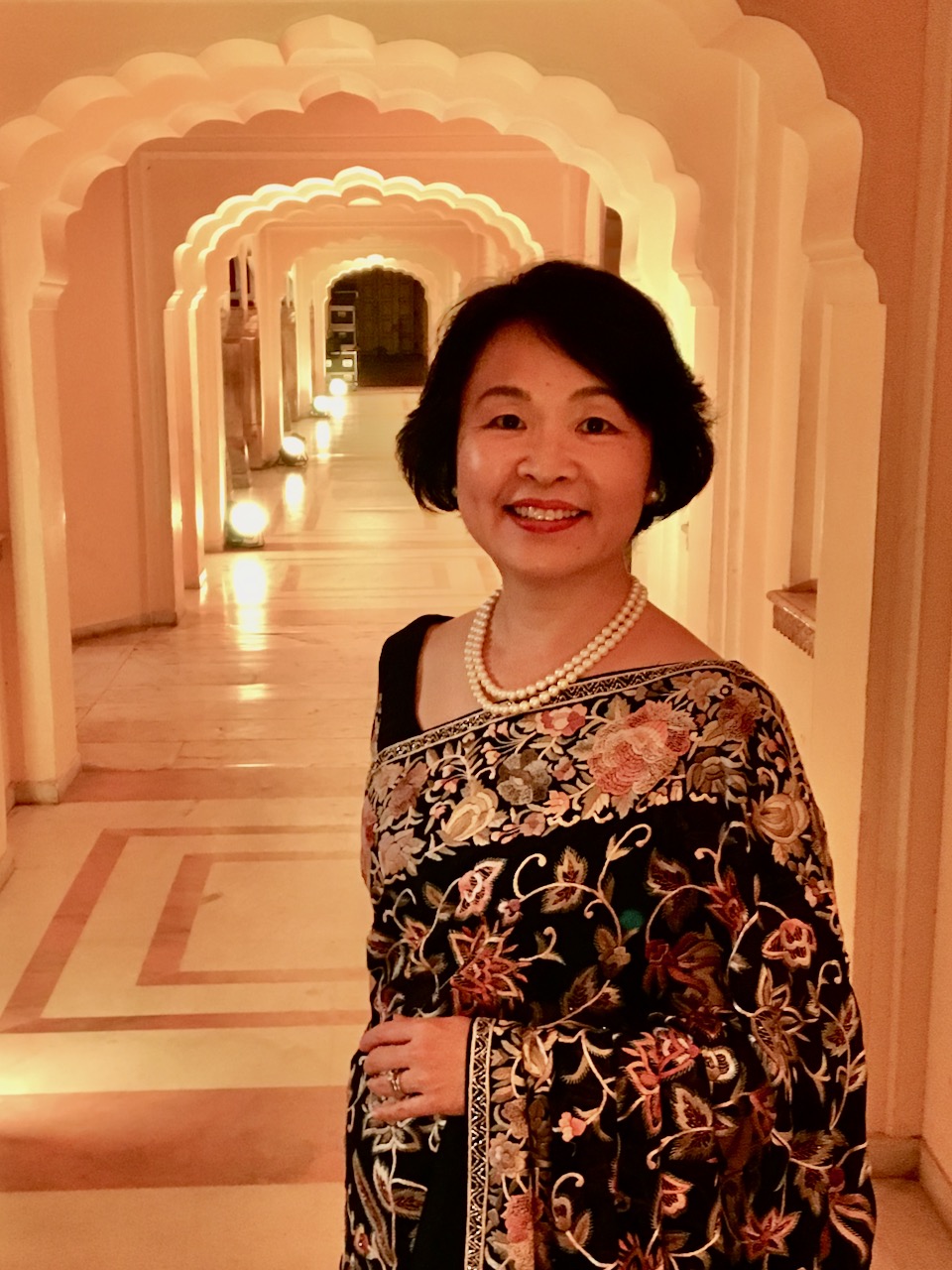
🥻This year, we celebrated our 20th wedding anniversary. In other words, it’s been 20 years since I wore my first saree. Currently, I am sorting through my records of sarees and fashion in India. A lot of memorable photos are coming out. These are photos from 2017, when we visited Jaipur for an event organized by YPO. We were fortunate enough to sit with Maharani Padmini at a dinner at the Palace. I wore a traditional embroidered Parsi (Zoroastrian) saree, one of my favorite pieces, purchased in Mumbai in 2008.


 不易流行 〜インドのファッション&ビューティ〜